
Plants
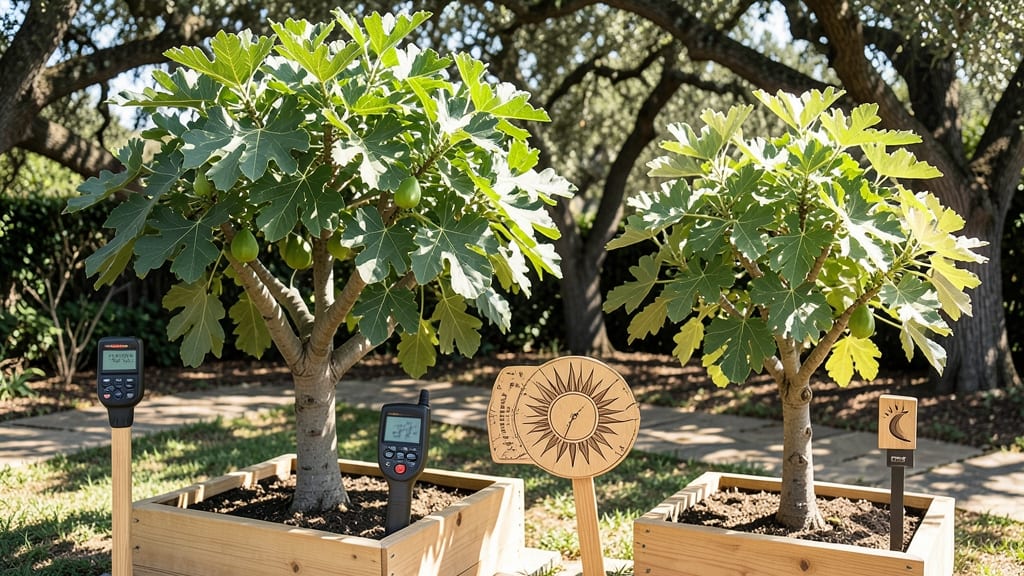
If you're wondering "how much light does a fig plant need", you're not alone—this is the #1 question I get from gardeners struggling to keep their 🍇 thriving. Too little sun and your plant wilts; too much, and those beautiful leaves turn crispy.
Finding that sweet spot is easier than you think, and I’ll break down exactly what your fig craves to grow strong and produce fruit.
The golden rule? Fig plants are sun worshippers, but they’re not as tough as cacti. In USDA Zone 6, they need at least 6-8 hours of direct sunlight daily—think south-facing windows or a bright outdoor spot.
But here’s the kicker: they can handle partial shade too, especially in scorching afternoons, which is where many gardeners go wrong.
Whether you’re growing figs indoors or outdoors, I’ll show you how to spot light stress (yellowing leaves, brown patches) and adjust their environment—even if your space isn’t naturally sunny.
Plus, I’ll cover how different fig varieties, like the classic Ficus carica, have their own quirks when it comes to light.
Ready to give your fig the perfect light setup? Let’s dive into the details so you can enjoy lush growth and sweet fruit all season long.

Fig plant light requirements: full sun vs partial shade explained
Fig plants—especially Ficus carica—thrive on bright, direct sunlight, but their exact needs vary between outdoor trees and indoor houseplants. Outdoors, they demand 6-8+ hours of full sun daily for robust growth and fruit production.
Indoors, a south-facing window or grow lights can mimic this intensity, though partial shade may suffice for decorative varieties.
Understanding the difference between full sun and partial shade is critical. Full sun means unfiltered sunlight for 6+ hours, while partial shade offers 3-6 hours of direct light with afternoon shade.
Fig trees in containers or urban gardens often need extra care to meet these light demands, especially in shady microclimates.
Here’s how to balance light for your fig plant’s needs, whether it’s basking outdoors or perched on an indoor windowsill:
For outdoor fig trees, position them where they receive morning sun and afternoon shade in hot climates to prevent leaf scorch.
In containers, rotate the pot every few weeks to ensure even light exposure, as fig trees grow toward the sun, leading to uneven growth if left stationary.
Indoor fig plants often struggle with insufficient light, especially in north-facing rooms. If your plant is reaching for the light, it’s a clear sign to relocate it closer to a window or invest in a full-spectrum grow light.
Even east or west windows may not provide enough intensity, so supplement with artificial lighting during winter months when daylight is scarce.
Seasonal adjustments are key: Summer may require afternoon shade cloth to protect leaves, while winter might call for extended grow light use to maintain vigor. Monitor your fig plant’s leaf color and growth rate—these are the best indicators of whether you’ve struck the right light balance.
Pro tip: Use a light meter (or phone app) to measure 10,000-15,000 lux for optimal fig plant growth. This ensures your plant gets the brightness equivalent of full sun, whether indoors or out.
Remember, fig trees are resilient, but they reward careful light management with lush foliage and sweet fruit. Start with these guidelines, and don’t hesitate to experiment—your fig plant will thank you with vibrant growth! 🌱☀️
Fig plant light requirements: full sun vs partial shade explained
Fig plants thrive best with 6-8 hours of direct sunlight daily, but they can adapt to 4-6 hours of partial shade if needed. The key is understanding how much light your specific variety needs and adjusting based on your climate.
In USDA Zone 6, summer afternoons can be intense, so providing afternoon shade helps prevent leaf burn while still giving them enough morning sun for energy.
Outdoor figs grow best in full sun positions, like south-facing patios or garden beds. If you're growing them indoors, a south-facing window is ideal, but east or west windows can work too—just rotate the plant weekly for even growth.
Without enough light, your fig will stretch toward the window, producing weak, leggy stems and sparse foliage.
Here’s how to match your fig’s light needs to its environment—whether it’s basking in the sun outdoors or struggling to get enough light indoors.
🌱 Fig Plant Light Requirements Comparison
| Condition | Outdoor Figs | Indoor Figs |
|---|---|---|
| Daily Sunlight | 6-8+ hours (full sun) | 4-6 hours (bright indirect) |
| Best Window | South-facing garden | South-facing window |
| Afternoon Shade | Yes (protect from 1-4 PM) | Use sheer curtain |
| Signs of Too Much Light | Brown crispy edges | Yellowing leaves |
| Signs of Too Little Light | Leggy growth | Pale, sparse leaves |
For outdoor figs, morning sun and afternoon shade is perfect—especially in hot climates. Place your plant where it gets bright indirect light for most of the day but avoids the harsh midday rays.
If your fig is indoors, supplement natural light with a grow light (12-14 hours daily) during winter months when sunlight is scarce.
Pro tip: If your fig’s leaves start turning yellow or brown, it’s a clear sign of light stress. Move it to a spot with filtered sunlight or adjust the intensity of artificial lighting. Over time, you’ll notice healthier foliage and even better fruit production.
Remember, figs are flexible but not as tough as succulents. Give them the right balance of sun, and they’ll reward you with lush growth and delicious fruit all season long. 🍇