Plants
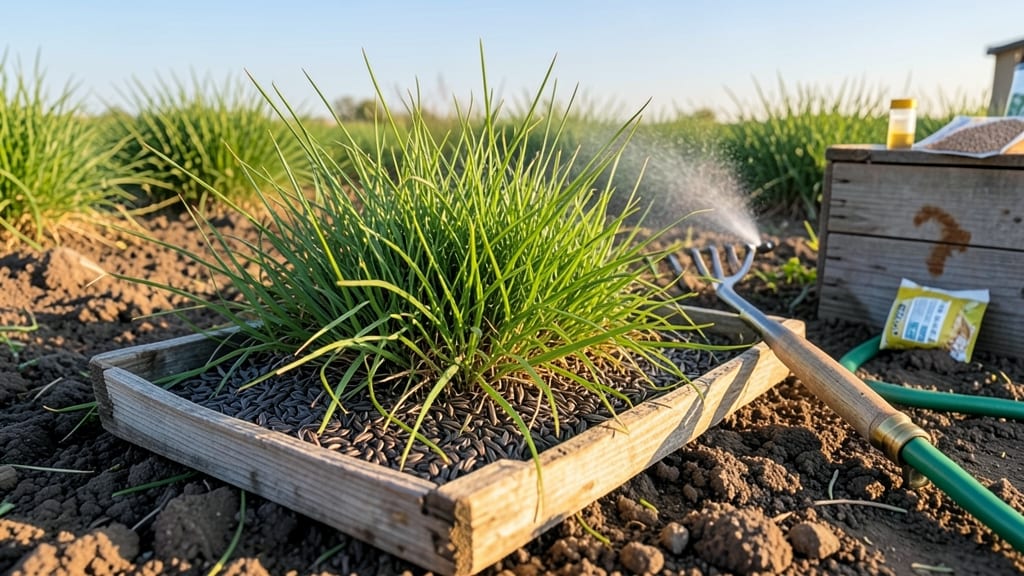
If you're dreaming of a lush, green Bermuda Grass lawn in Arkansas, timing your seed planting is everything—get it wrong, and you risk weak growth or even winter damage.
The perfect window for planting in Arkansas isn’t just about months, but about soil warmth, frost dates, and humidity that can make or break your grass.
I’ve seen too many Arkansas homeowners rush into planting too early, only to watch their seeds fail when the soil is still too cool. The key is waiting until after the last frost—usually late April to early June—when soil temperatures hit at least 65°F.
But there’s more to it than just dates; your USDA zone (7a-8b) and local microclimates play a huge role too.
In this guide, I’ll break down the exact planting windows for Arkansas’ three regions, plus the fastest way to prep your soil for 90%+ germination.
Whether you’re in the cooler north or the warmer south, you’ll learn the precise steps to avoid common mistakes and get your lawn thriving in record time.
Ready to skip the guesswork? Let’s get your Bermuda Grass off to the best possible start—because a great lawn begins with the right timing.
Best planting months for Bermuda grass seed in Arkansas by climate zone
Arkansas’ diverse climate—from the cooler North to the hotter South—means your Bermuda grass seed planting window varies by zone. Planting at the wrong time can lead to poor germination or even winter kill, so timing is everything. Here’s the breakdown you need to succeed.
Bermuda grass thrives in warm-season conditions, so aim for soil temperatures above 65°F (18°C) and after the last frost date. In Arkansas, this typically means late spring or early fall, but your exact zone matters. Let’s dive into the ideal planting windows for each region.
🌱 PRO TIP: Use a soil thermometer to confirm temperatures—Bermuda grass won’t germinate well below 65°F, even if the air feels warm.
For North Arkansas, focus on late April to early June to avoid late frosts that can damage tender seedlings. Central Arkansas has the most flexibility—plant in spring or early fall, but skip late fall (after September 10) to prevent winter stress.
In South Arkansas, you can plant as early as March 15 (if soil warms quickly) or stretch into early September. However, avoid planting after September 10—the grass won’t establish strong roots before winter dormancy, leading to weak growth next spring.
⚠️ WARNING: Never plant Bermuda grass in fall after October 1. The grass won’t have time to root deeply before cold weather sets in, and you’ll end up with patchy, slow-growing lawns.
If you miss the spring window, don’t panic—early fall (August-September) is your second chance. Just ensure seedlings have 6-8 weeks of warm weather to establish before the first frost.
For North Arkansas, this means planting by September 1; for South Arkansas, you can push it to September 15.
Use a lawn thermometer to monitor soil temps—Bermuda grass seeds need consistent warmth to sprout. If temps drop below 60°F at night, germination slows dramatically. Pair this with daily watering (1-1.5 inches) to keep the soil moist but not soggy.
For fastest establishment, aim for May planting in most of Arkansas. This gives seedlings 3-4 months of warm weather to grow before summer heat peaks. Just be prepared to water deeply 2-3 times per week during dry spells.
Best planting months for Bermuda grass seed in Arkansas by climate zone
Arkansas’ diverse climate means your Bermuda Grass planting window depends on whether you’re in the cooler North, the moderate Central region, or the warmer South. The number one rule? Wait until soil temperatures hit 65°F (18°C)—any earlier, and your seeds will rot in the cold ground.
For North Arkansas (USDA Zone 7a), aim for late April to early May when frost risk drops. In Central Arkansas (Zone 7b), you’ve got a slightly longer window from mid-April to early June.
Meanwhile, South Arkansas (Zone 8a) can plant as early as late March—but watch for sudden cold snaps.
Here’s the comparison-table breaking down your exact planting windows, soil temps, and key risks by zone:
| Zone | Best Planting Window | Soil Temp Threshold | Key Risk |
|---|---|---|---|
| North (7a) | Late April - Early May | 65°F+ | Late frost |
| Central (7b) | Mid-April - Early June | 65°F+ | Spring rains |
| South (8a) | Late March - Mid-April | 65°F+ | Heat stress |
Fall planting is riskier in Arkansas—only attempt it in South Arkansas (mid-August to early September). North Arkansas’ first frost usually hits by mid-November, leaving zero room for error. If you miss spring, skip fall entirely and wait for next year.
Pro tip: Use a soil thermometer to confirm temps before planting. I’ve seen seeds fail even in May if the ground stays cool. For fastest results, plant in May—this gives your grass 6-8 weeks to establish before summer heat sets in.
Remember, Bermuda Grass is a warm-season grass, so it thrives when days are long and hot. Planting too late means your lawn will struggle to fill in before winter dormancy kicks in.