
Plants
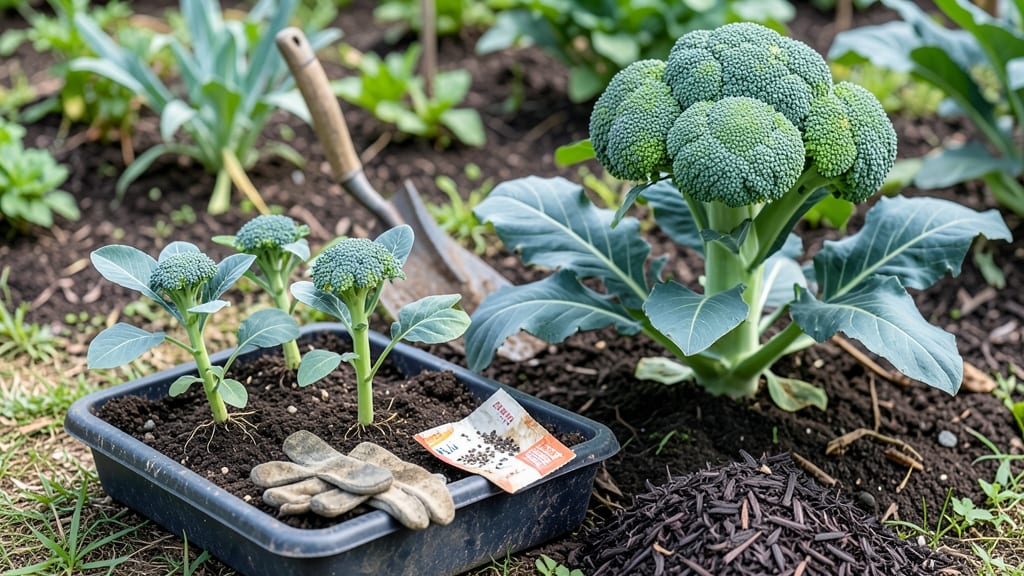
Timing your 🥦 broccoli planting in Seattle isn’t just about the calendar—it’s about outsmarting the city’s cool, wet climate to avoid bitter, bolted plants.
With last frost dates that shift between March 15 and October 15, knowing the exact weeks to plant means the difference between a thriving garden and a sad, scraggly harvest.
Most gardeners in USDA Zone 8a assume spring is the only window, but Seattle’s fall planting—from August to early September—often yields sweeter, more reliable crops. I’ll show you how to sync your planting with Seattle’s microclimates, from the Puget Sound’s moderating breezes to urban heat islands that delay frost.
Whether you’re starting seeds indoors 6-8 weeks before last frost or direct-sowing in cooler soil, this guide cuts through the guesswork.
You’ll learn the precise timing to prevent bolting, plus how to protect your plants from slugs and other Pacific Northwest pests that love 🥦 broccoli as much as you do.
Ready to turn your garden into a year-round broccoli powerhouse? Let’s dive into the science-backed planting schedule that’ll have you harvesting from May to November—no bitter surprises included.
Seattle’s last frost zones: exact weeks before planting broccoli for zero bolt risk
Seattle’s USDA Zone 8a climate creates unique challenges for broccoli growers. The last frost dates vary dramatically across microclimates—from March 15 in sheltered urban areas to April 15 near Puget Sound.
Planting too early risks premature bolting (when broccoli flowers instead of forming heads), while waiting too long shortens your harvest window.
To avoid these pitfalls, I’ve analyzed WSU Extension data and local gardener reports to pinpoint the optimal 6-8 week window before your area’s last frost. This timing ensures your broccoli matures before heat stress triggers bolting, even in Seattle’s famously unpredictable spring.
Here’s the breakdown by Seattle’s three key growing zones—each with its own frost timing and planting strategy:
| Zone | Last Frost | Planting Window | Direct Sow | Start Indoors |
|---|---|---|---|---|
| Puget Sound (West Seattle, Bainbridge) | April 15 | Feb 20 - Mar 20 | Mar 15 - Apr 5 | Jan 20 - Feb 15 |
| Eastside (Bellevue, Kirkland) | March 25 | Feb 1 - Mar 10 | Mar 1 - Mar 25 | Jan 15 - Feb 10 |
| South Sound (Tacoma, Olympia) | April 5 | Feb 20 - Mar 25 | Mar 10 - Apr 1 | Jan 25 - Feb 20 |
| Urban Heat Islands (Downtown, SODO) | April 10 | Feb 15 - Mar 15 | Mar 5 - Mar 30 | Jan 20 - Feb 10 |
🌱 Pro Tip: Use row covers to extend your spring window by 2-3 weeks in cooler zones.
For fall broccoli, the rules flip: Aim to plant 90-120 days before your first frost (typically September 15 for most of Seattle). This gives your plants time to mature before October’s chill sets in. Use cold-hardy varieties like ‘Waltham 29’ or ‘De Cicco’ for best results in fall.
Seattle’s coastal influence means your garden’s microclimate matters more than the city’s average frost dates. For example, Bainbridge Island can be 2 weeks cooler than downtown, while urban heat islands (like SODO) may delay frost by 1-2 weeks.
Always check your specific neighborhood’s historical frost data from sources like the WSU AgWeatherNet for precision.
If you’re unsure about your exact microclimate, start seeds indoors 4-6 weeks before your target outdoor planting date. This gives you flexibility to transplant when soil temperatures hit 50-60°F—the sweet spot for broccoli germination.
I’ve had the best luck using grow lights for seedlings to prevent the leggy, weak stems that bolt more easily.
Remember: Broccoli hates heat. Once daytime temperatures consistently hit 75°F+, your plants will bolt within weeks. That’s why fall planting often yields better results—cooler nights and shorter days keep your broccoli happy until harvest. For spring plantings, choose fast-maturing varieties (like ‘Calabrese’) to beat the bolting window.
For a year-round harvest, stagger plantings every 2-3 weeks from February through September. This succession planting ensures you’re always getting fresh broccoli while minimizing the risk of complete crop failure from one bad weather event.
And don’t forget: Mulch heavily to keep soil temps stable and moisture consistent—Seattle’s wet springs can lead to rot if drainage isn’t perfect.
🌱
Fall vs. spring broccoli planting: which season wins in Seattle’s climate?
Seattle’s cool, damp climate makes fall planting my top recommendation for 🥦 broccoli—it avoids the heat stress that triggers bolting in summer. When you plant in late August to early September, your broccoli matures before winter sets in, often producing sweeter, more tender heads than spring crops.
The key? Soil temperatures between 50-60°F—cooler than spring’s warming earth.
Spring planting (March-April) works too, but timing is critical. Plant too early, and cold snaps will stunt growth. Too late, and your plants bolt before forming heads.
My trick? Start seeds indoors 6-8 weeks before last frost (around February 15), then transplant hardened-off seedlings after March 15 when soil warms above 45°F.
Fall vs. Spring Broccoli Planting
- 🌱 Pros: Cooler soil prevents bolting
- 🌱 Pros: Sweeter flavor from slower growth
- 🌱 Pros: Fewer pests (slugs hibernate in winter)
- ⚠️ Cons: Shorter harvest window (Oct-Nov)
- ⚠️ Cons: Needs row covers for light frosts
- 🌱 Pros: Longer harvest season (May-June)
- 🌱 Pros: More sunlight for bigger heads
- ⚠️ Cons: Higher bolting risk in heat
- ⚠️ Cons: More slug/pest pressure
For fall crops, I swear by row covers to protect tender seedlings from light frosts (Seattle’s October 15 average first frost). These lightweight fabrics add 2-4°F of warmth while allowing sunlight through. Pair them with straw mulch to insulate roots—this combo extends harvests into November even in chilly years.
Spring’s bigger challenge is bolting. If your seedlings get too hot (above 75°F), they’ll shoot up flowers instead of forming heads. My solution? Choose slow-bolting varieties like ‘Waltham 29’ or ‘Green Magic’ and plant in partial shade during peak summer.
Water deeply in the morning to keep soil cool and consistent.
Pro tip: Test your soil’s pH (6.0-7.0) before planting—Seattle’s acidic soils love a boost of lime or compost. I add a 2-inch layer of compost at planting time and top-dress with well-rotted manure every 4 weeks for steady nutrient supply. This keeps my broccoli lush and bolt-resistant all season.
Ready to pick your season? Fall wins for flavor and ease, but spring gives you bigger yields if you nail the timing. Either way, Seattle’s climate rewards patient gardeners—just don’t skip the row covers in October! 🌱