
How To
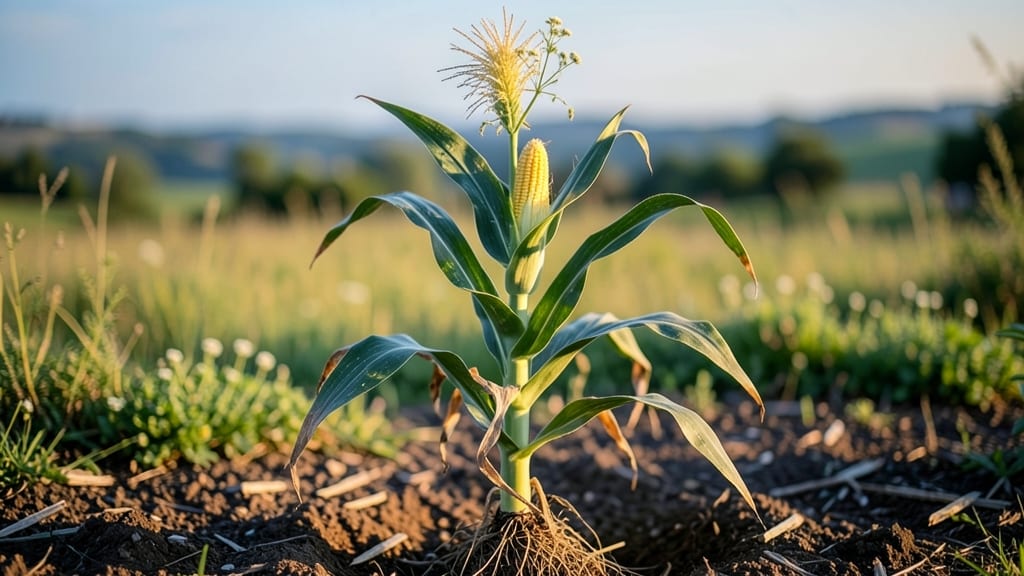
If you've ever wondered "how tall does corn plant grow", the answer might surprise you—some varieties barely brush your knees, while others stretch taller than a basketball hoop! 🌽 Whether you're planning a backyard garden or a small urban plot, understanding corn's height range is the key to maximizing space and yield.
Corn plants typically reach between 6 and 12 feet at maturity, but dwarf varieties can stay as short as 4 feet. This dramatic difference means your garden layout could change completely depending on what you plant.
Sweet corn, for example, often tops out around 8 feet, while ornamental varieties might stay compact for easier access.
What you might not realize is that growing conditions play a huge role in height. Sunlight, soil quality, and even spacing can push your corn toward the sky or keep it manageable.
In Zone 6 climates, proper care during the April to May planting window sets the stage for strong, healthy growth—whether you want towering stalks or shorter, easier-to-harvest plants.
Ready to make the most of your garden? I'll walk you through the best varieties for different spaces, how to control height naturally, and why some gardeners actually prefer taller corn for better pollination. Let's get growing!

Corn plant height ranges by variety: from dwarf to giant varieties
Corn plants come in a stunning range of heights, from dwarf varieties that stay under 4 feet to giant field corn that can reach 12 feet or taller.
The variety you choose isn't just about aesthetics—it directly impacts your garden space needs, harvest ease, and even pollination success. Whether you're a backyard gardener with limited space or a farmer planning large-scale fields, knowing these height ranges helps you make the best choice for your goals.
Most home gardeners grow sweet corn varieties, which typically reach 6 to 10 feet tall. These are perfect for small gardens and containers, offering a manageable height while still producing plump, flavorful ears.
On the other hand, ornamental corn and field corn varieties can stretch dramatically taller, sometimes exceeding 12 feet, making them better suited for larger plots or as decorative accents in rural settings.
Here’s a quick look at how different corn types compare in height—so you can pick the perfect fit for your garden:
| Variety Type | Height Range | Best For | Notes |
|---|---|---|---|
| Dwarf Sweet Corn | 4–6 ft | Containers, small gardens | Compact, early-maturing, great for urban gardens. |
| Semi-Dwarf Sweet Corn | 6–8 ft | Home gardens, raised beds | Balanced height, reliable pollination, popular for home harvests. |
| Standard Sweet Corn | 8–12 ft | Large gardens, farmers markets | Classic height, needs more space; ideal for bulk harvests. |
| Ornamental Corn | 6–10 ft | Decorative gardens, fall displays | Non-edible, colorful kernels, drought-tolerant. |
| Field Corn | 10–14+ ft | Farms, livestock feed | Tallest variety; needs ample space and strong winds for pollination. |
If you're growing sweet corn for eating, semi-dwarf varieties like 'Silver Queen' or 'Peaches and Cream' are excellent choices for home gardens. They strike a balance between manageable height and productive yields, typically reaching 6 to 8 feet.
For small-space gardening, look for dwarf varieties such as 'Tom Thumb' or 'Golden Bantam,' which stay under 5 feet and thrive in containers or tight garden beds.
On the other end of the spectrum, field corn varieties like 'Pioneer 3906' can grow 12 to 14 feet tall or more, making them unsuitable for most backyard gardens. However, their towering stature makes them a stunning addition to rural landscapes or farms.
For ornamental purposes, varieties like 'Glass Gem' or 'Black Aztec' offer vibrant colors and heights around 6 to 10 feet, perfect for adding a pop of color to your garden in the fall.
Pro tip: If you're growing corn in a small garden, consider planting multiple dwarf varieties in a block. This ensures better cross-pollination (which is essential for sweet corn) while keeping your plants compact and easy to manage.
Just be sure to plant at least 4 to 8 plants together to encourage proper pollination.
Height isn't the only factor to consider—maturity time also plays a role in your garden planning. Shorter varieties often mature faster, giving you an earlier harvest, while taller varieties may take longer but produce larger ears.
For example, 'Bodacious' sweet corn reaches 8 feet tall but is ready to harvest in just 70 days, making it a great choice for shorter growing seasons.
No matter which variety you choose, remember that proper spacing is key to maximizing height and yield. Crowding plants can lead to poor air circulation, increasing the risk of fungal diseases like corn smut or leaf blight.
Always follow the spacing recommendations for your specific variety to give your corn plants room to grow to their full potential.
🌽
Corn plant height ranges by variety: from dwarf to giant varieties
If you're planning your garden layout, choosing the right corn variety is key to managing height. Most gardeners grow sweet corn, which typically reaches 6 to 12 feet at maturity. But did you know there are dwarf varieties that stay under 4 feet?
These compact plants are perfect for small spaces or container gardening, while standard varieties can stretch toward the sky.
The height of your corn plants directly impacts harvestability and garden spacing. For example, Silver Queen and Golden Bantam (a popular dwarf variety) stay around 4 to 6 feet, making them easier to tend to in tight spaces.
On the other end, field corn and some ornamental varieties can exceed 12 feet, requiring more room and support.
Here’s a quick comparison of common corn varieties and their mature heights to help you decide what fits your garden best:
| Variety | Type | Mature Height | Best For |
|---|---|---|---|
| Silver Queen | Sweet Corn | 6-8 ft | Home gardens, fresh eating |
| Golden Bantam | Dwarf Sweet Corn | 4-6 ft | Small spaces, containers |
| Country Gentleman | Sweet Corn | 8-10 ft | Large gardens, fresh or frozen |
| Moonlight | Ornamental Corn | 10-12 ft | Decorative, tall gardens |
| Field Corn (e.g., Flint) | Field Corn | 10-14 ft | Large farms, livestock feed |
For gardeners in Zone 6, timing your planting window (typically April to May) ensures your corn has enough time to reach its full height before the first frost in late October.
If you're growing dwarf varieties, you can even extend your harvest window by a few weeks since they mature faster and are less affected by late-season winds.
Remember, taller corn varieties often produce more ears per stalk due to better pollination, but they also require more space and may need staking or support. If you're working with limited space, consider interplanting shorter varieties with taller ones to maximize your yield without sacrificing garden real estate.
Ready to pick your perfect variety? Once you’ve chosen, the next step is optimizing growing conditions to reach that ideal height—whether you want your corn to stay short and sweet or tower over your fence! 🌽