Flowers
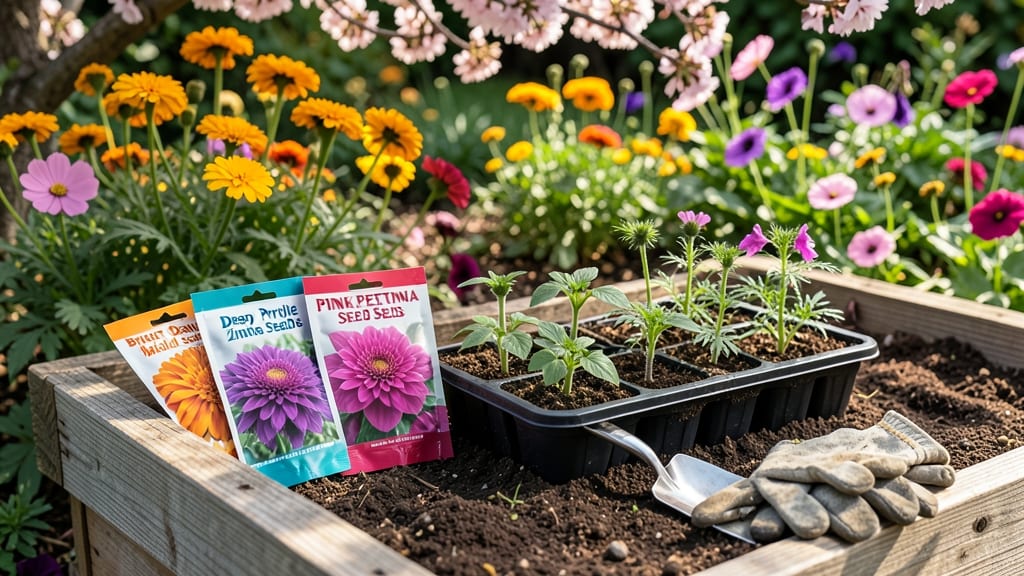
Timing your flower seeds planting in Indiana isn’t just about the calendar—it’s about beating frost, soil warmth, and your local microclimate. Skip the guesswork, and you could end up with wilted seedlings instead of vibrant blooms by summer.
Indiana’s 5b-6b zones mean your neighbor’s perfect planting window might not work for you. Whether you’re in the Hoosier Hills or near Lake Michigan, knowing the exact weeks to start seeds—like March 15 to May 15 for spring—makes all the difference.
I’ll break down the regional frost dates and soil temperature rules so you can plant with confidence. Plus, discover which fast-blooming flowers thrive in Indiana’s short season and how to stretch your planting window with simple tricks.
Ready to turn your garden into a year-round bloom show? Let’s get those 🌸 seeds in the ground at the perfect time—no more missed opportunities!
Indiana’s frost-free planting zones: exact weeks to start flower seeds by region
Indiana’s diverse microclimates mean your neighbor’s perfectly timed flower seeds might freeze in your garden. The key? Planting based on USDA Zones 5b-6b and local frost data. Northern Indiana (Zone 5b) faces later springs, while Southern Indiana (Zone 6a) can start earlier—sometimes 3 weeks apart!
For zero frost risk, wait until soil temps hit 50°F (10°C). Use a soil thermometer—cold soil stunts seed germination. In my Hoosier Hills garden, I’ve learned to plant cosmos seeds by April 20th for summer blooms, but zinnias need to wait until May 1st.
| Region | Avg Last Frost | Ideal Planting Window | Soil Temp Threshold | Top Flowers |
|---|---|---|---|---|
| Northern Indiana (Zone 5b) | April 25 | May 1–15 | 50°F (10°C) | Marigolds, Snapdragons |
| Central Indiana (Zone 6a) | April 15 | April 20–May 1 | 50°F (10°C) | Zinnias, Sunflowers |
| Southern Indiana (Zone 6a) | April 5 | April 1–15 | 50°F (10°C) | Cosmos, Petunias |
| Hoosier Hills (Zone 6b) | April 10 | April 5–20 | 50°F (10°C) | Sweet Alyssum, Calendula |
| Lake Michigan (Zone 5b-6a) | April 20 | May 1–10 | 50°F (10°C) | Dahlias, Black-Eyed Susans |
Pro tip: Check local weather forecasts for 5-day highs. If nights dip below 40°F (4°C), cover seeds with row fabric or a cloche. I once lost a batch of basil seeds (oops!) by ignoring a late frost warning—don’t make my mistake!
For fall planting, aim for August 1–September 15. Seeds like pansies and stock thrive when sown 6–8 weeks before frost. My Southern Indiana garden’s fall cosmos bloomed until November 1st last year!
Use Indiana State Climate Office data to track trends. Over the past decade, last frost dates have shifted 2–3 days earlier—adjust your schedule accordingly. For example, Northern Indiana gardeners should now plant marigolds by April 30th, not May 15th.
If you’re unsure, start seeds indoors 4–6 weeks before your region’s last frost. Use grow lights or a sunny windowsill, and transplant seedlings when they’re 2–3 inches tall. This gives you a 2-week head start on the season.
Remember: Soil temperature > air temperature. A 70°F (21°C) day with 45°F (7°C) soil will kill seeds. Test soil temps with a digital thermometer—it’s the #1 tool for Indiana gardeners.
For
Best flower seed varieties for Indiana’s short growing season: fast-bloomers vs. cold-hardy annuals
Indiana’s short growing season demands smart choices—pick flowers that bloom quickly or tolerate cooler temps. My top recommendations include fast-blooming annuals like cosmos (30–60 days) and snapdragons (60–75 days), perfect for beating frost. For cooler springs or fall plantings, cold-hardy varieties like sweet alyssum and calendula shine.
Each flower has ideal planting depths and spacing rules to maximize blooms. For example, marigolds need ¼-inch depth and 12-inch spacing, while zinnias thrive at ½-inch depth with 18-inch spacing. Get these right, and you’ll avoid overcrowding and fungal issues.
🌱
| Variety | Days to Bloom | Planting Depth | Spacing | Cold Tolerance |
|---|---|---|---|---|
| Cosmos | 30–60 | ¼ inch | 12–18 inches | Moderate |
| Zinnias | 60–75 | ½ inch | 12–18 inches | Low |
| Sweet Alyssum | 45–60 | ⅛ inch | 6–12 inches | High |
| Calendula | 60–70 | ½ inch | 10–12 inches | High |
| Snapdragons | 60–75 | ¼ inch | 12–18 inches | Moderate |
For fall planting (August–September), prioritize cold-hardy picks like pansies or stock flowers. These tolerate light frosts and bloom until winter’s first hard freeze. Pro tip: Start seeds indoors 4–6 weeks before your region’s first frost to give them a head start.
If your season feels too short, mix fast bloomers with long-season varieties. For example, pair cosmos (quick blooms) with sunflowers (slower but dramatic). This ensures continuous color from early summer to frost.
Test your soil’s pH and nutrients before planting—most flowers thrive in 6.0–7.0 pH. Amend with compost if needed, and mulch after germination to retain moisture and suppress weeds. With the right varieties and care, Indiana’s short season won’t hold you back!
🌼