
How To
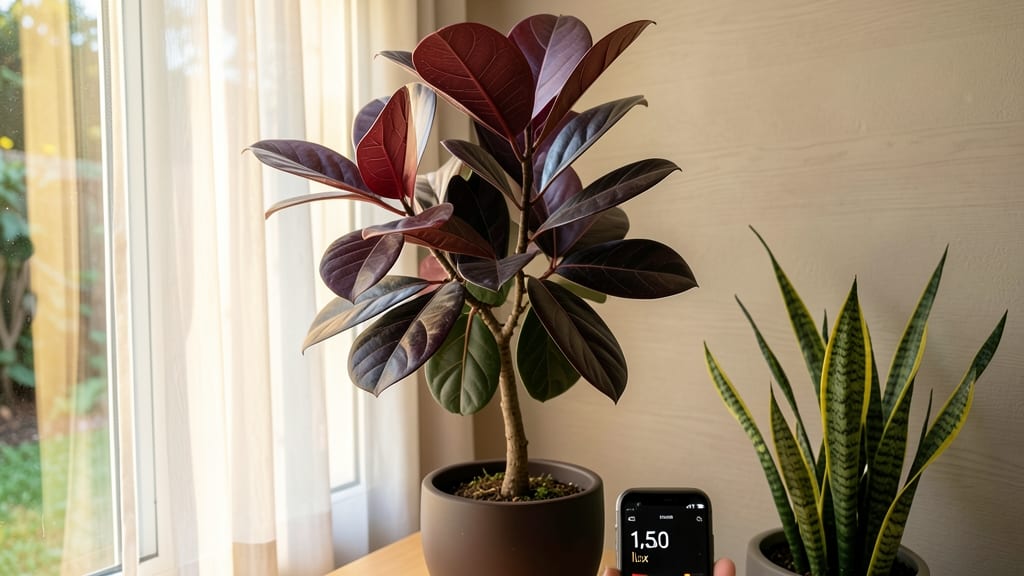
Optimal light requirements for rubber plants: brightness levels explained
Rubber plants (Ficus elastica) thrive in bright, indirect light, but many growers struggle to find the perfect balance. Too little light causes leggy growth and pale leaves, while too much direct sun leads to brown spots or scorched foliage.
Understanding the light spectrum for rubber plants helps you create the ideal environment for lush, glossy leaves.
Most rubber plants need 10-12 hours of bright, filtered light daily. This means positioning them near east or north-facing windows, where sunlight is gentler. South-facing windows can work but require sheer curtains to diffuse harsh rays. If your home lacks natural light, grow lights can supplement the deficiency effectively.
Here’s how to identify the right light conditions for your rubber plant:
| Light Condition | Description | Signs of Stress |
|---|---|---|
| Low Light | Fewer than 2 hours of indirect light daily (e.g., deep corners, shaded rooms). | Leggy stems, small leaves, yellowing. |
| Ideal Light | Bright indirect light (e.g., 2-3 feet from east/north windows). | Glossy leaves, compact growth, vibrant colors. |
| Too Much Sun | Direct sunlight for more than 4 hours (e.g., south/west windows without filters). | Brown patches, crispy edges, wilting. |
Rubber plants adapt well to low-light conditions but may grow slowly. If you notice stretched stems or pale leaves, move your plant closer to a window or invest in a full-spectrum grow light. These lights mimic natural sunlight and are perfect for indoor setups with limited natural light.
For variegated rubber plants (like ‘Tineke’ or ‘White Princess’), light needs are slightly higher. Their white or pink streaks require more energy to produce, so place them in brighter spots than solid-green varieties. Rotate the pot quarter-turns weekly to ensure even light exposure and prevent lopsided growth.
Seasonal changes also affect light exposure. In winter, shorter daylight hours may require supplemental lighting or relocating the plant to a sunnier spot. Conversely, summer’s intense rays might need curtains or blinds to protect delicate leaves from sunburn.
Test your rubber plant’s light conditions by observing its leaf color and growth pattern. Healthy leaves are deep green and glossy, while stressed leaves may show yellowing, browning, or curling. Adjust the placement gradually—sudden changes can shock the plant.
Pro tip: Use a light meter (or your phone’s light sensor app) to measure 10,000-15,000 lux for ideal growth. This range mimics natural indoor lighting and helps you fine-tune your plant’s environment for peak health.
🌿
Optimal light requirements for rubber plants: brightness levels explained
Rubber plants (Ficus elastica) thrive best in bright indirect light, but many beginners struggle to identify the perfect spot. Too little light causes leggy growth and pale leaves, while too much direct sun leads to brown patches and crispy edges.
Understanding the light spectrum helps you create ideal conditions for glossy, vibrant foliage.
Think of rubber plants as the "goldilocks" of houseplants—they need light that's not too dim and not too harsh. North-facing windows provide the safest balance, offering gentle morning sun without the intense afternoon rays.
Even east or west-facing windows work if you place your plant 3-5 feet away from the glass.
| Light Condition | Description | Signs of Stress | Ideal Fix |
|---|---|---|---|
| Low Light | Dim corners, far from windows | Leggy stems, small leaves, yellowing | Move to brighter spot or use grow lights |
| Bright Indirect | North window, 3-5 ft from east/west | Healthy glossy leaves, steady growth | Perfect! Rotate plant quarter-turn weekly |
| Direct Sun | South window, afternoon sun | Brown crispy edges, sunburn spots | Use sheer curtain or move 2 ft back |
Rubber plants can adapt to lower light than many houseplants, but this comes with trade-offs. In dim rooms, growth slows dramatically, and leaves may develop pale variegation (especially on burgundy varieties). If your plant shows signs of stretching toward the light, it's begging for more brightness.
A simple trick? Place it near a west-facing window for a few hours daily—this mimics its natural tropical understory habitat.
For those with south-facing windows, direct sunlight is the biggest threat. Even just 2-3 hours of harsh afternoon rays can cause irreversible damage. Watch for white or yellow patches on leaves—these are early warning signs of sunburn.
If you love the look of a sunlit rubber plant, consider a variegated variety like 'White Princess', which handles slightly more light than solid-green types.
Seasonal changes also affect light needs. During winter, shorter days mean your rubber plant may need supplemental grow lights (12-14 hours of light total). I recommend full-spectrum LED bulbs placed 6-12 inches above the plant for 4-6 hours daily.
This mimics summer conditions and prevents the winter blues that cause leaf drop.
Remember: rubber plants are forgiving but not indestructible. The key is consistency**. If you notice new growth looking healthier than old leaves, you've likely found the sweet spot. Adjust gradually—sudden light changes can shock your plant just as much as the wrong conditions.