
Plants
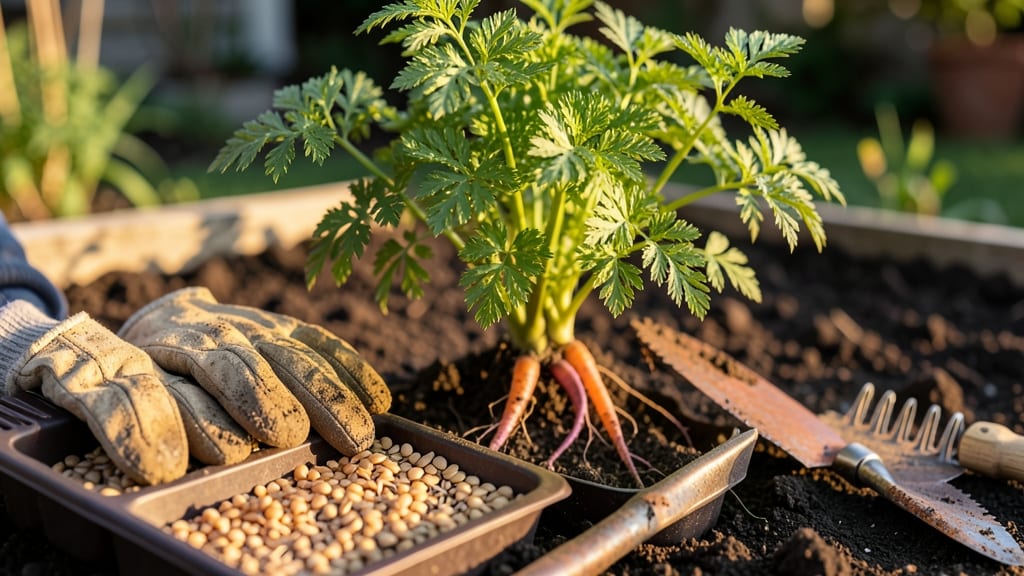
If you’ve ever planted 🥕 carrots in Georgia only to watch them bolt or rot before harvest, you’re not alone—but the fix is simpler than you think.
The key to growing perfect, sweet carrots in Georgia’s 7b-8a climate isn’t just about soil or seeds; it’s about planting them at the exact right time to dodge heat stress and early bolting.
Georgia’s unpredictable spring weather and scorching summers can turn your carrot patch into a disappointment if you plant too early or too late. But by following the two proven planting windows—early spring and late summer—you’ll skip the guesswork and enjoy a steady harvest from April through December.
Let’s break down the science behind these timelines and how to adjust for your specific region, whether you’re in Atlanta’s Piedmont or Savannah’s Coastal Plain.
Most gardeners assume carrots are a one-and-done crop, but in Georgia, that approach leads to missed opportunities. With the right techniques, you can actually grow three batches of carrots each year—no matter your microclimate.
I’ll show you how to time your plantings for maximum yield, plus the top 5 mistakes Georgia gardeners make (and how to avoid them). Ready to dig into the details?
From rocky Piedmont soil to humidity-laden Coastal Plain air, Georgia’s growing conditions demand a tailored approach. You’ll learn how to prep your soil, choose the best varieties for your zone, and even extend your harvest window with simple tricks. Let’s get those 🥕 carrots growing like a pro!
Georgia’s ideal carrot planting windows by month (avoid bolting & heat stress)
Georgia’s USDA Zones 7b-8a mean your carrot planting success hinges on soil temperatures and frost-free windows. The Peach State’s unpredictable spring and scorching summers demand precision—plant too early, and your carrots bolt (flower prematurely), turning sweet roots into bitter, stringy sticks.
Too late, and summer heat stresses seedlings before they establish.
Your two best windows are early spring (February-March) and late summer/fall (August-September). These periods align with cooler soil temps (50-75°F) and avoid Georgia’s brutal July-August heat, which triggers bolting.
Let’s break down the exact months, microclimate tweaks, and soil prep to guarantee a harvest of crunchy, sweet carrots.
For spring planting, start seeds indoors 4-6 weeks before your last frost date (typically mid-March in Atlanta, early March in Savannah). Georgia’s Coastal Plain (e.g., Brunswick) enjoys longer frost-free seasons, so you can plant 2 weeks earlier than Piedmont or Mountain regions like Dahlonega.
Use a soil thermometer—carrot seeds need soil temps below 75°F to germinate properly.
Your fall window (August-September) is critical for heat-tolerant varieties like ‘Danvers Half Long’ or ‘Nantes’. Plant 6-8 weeks before your first frost (usually mid-November). In Mountain regions, aim for early August to beat the heat, while Coastal areas can extend planting until mid-September.
Mulch with straw or leaves to regulate soil temps and retain moisture during Georgia’s dry fall.
Pro tip: Test your soil before planting—Georgia’s clay-heavy soil (especially in Piedmont) needs amendments. Work in 2-3 inches of compost or sand to improve drainage. Carrots hate rocks, so sift out debris if your garden bed has uneven terrain (common in North Georgia).
Aim for loose, well-draining soil with a pH of 6.0-7.0.
If you’re in Zone 8a (e.g., Savannah), you can plant a third batch in late October for a winter harvest. Use row covers or cold frames to protect seedlings from light frosts.
Varieties like ‘Paris Market’ or ‘Chantenay’ handle cooler temps better than standard carrots. Just remember: never plant after Labor Day in most of Georgia—summer heat will bolt your crop in 3 weeks.
For Atlanta gardeners, your best bet is March 15-April 15 (spring) and August 15-September 15 (fall). In Mountain regions, shift planting to late March-early April and early August to avoid late-spring heat.
Always check your local frost dates—Georgia’s climate varies 100+ miles north to south, so don’t assume one schedule fits all.
One critical mistake Georgia gardeners make? Overestimating summer tolerance. Carrots cannot handle sustained temps above 80°F. If you plant in May or June, your seedlings will bolt within 2 weeks, producing tiny, bitter roots.
Instead, focus on shade cloth for late-summer seedlings or opt for heat-resistant varieties like ‘Yellowstone’ or ‘Atlas’.
To maximize your harvest, pair your spring and fall plantings with succession sowing. Plant small batches every 2 weeks in spring (March-April) and every 3 weeks in fall (August-September). This ensures a continuous supply of fresh carrots instead of one
How to extend your carrot season in Georgia (no more one-time harvests)
Georgia gardeners don’t have to settle for a single carrot harvest each year. With the right techniques, you can grow three batches of sweet, crisp carrots—even in our hot, humid climate.
The secret lies in succession planting, season extension tools, and choosing the right varieties for each planting window. Let’s break down how to stretch your carrot season from early spring to late fall without bolting or pests ruining your crop.
Most gardeners focus on the two main planting windows (spring and fall), but by adding a mid-summer batch, you can enjoy fresh carrots for nearly 10 months. The key is timing your plantings to avoid Georgia’s scorching July-August heat while still maximizing your garden’s potential.
I’ve tested these methods in both Atlanta’s Piedmont and Savannah’s Coastal Plain, and they work reliably if you follow the soil temperature rules we’ll cover next.
- 🌱 Spring Batch (Jan–Feb): Plant ‘Danvers Half Long’—cold-hardy and bolt-resistant. Use row covers if frost threatens.
- ☀️ Summer Batch (Aug): Sow ‘Nantes’ under shade cloth (30–50%) to escape heat. Water deeply twice daily.
- 🍂 Fall Batch (Sep–Oct): Choose ‘Paris Market’ for quick harvests before first frost. Mulch with straw to retain moisture.
For the mid-summer batch, timing is critical. Plant ‘Nantes’ carrots in early August when soil temps drop below 85°F—this variety tolerates heat better than most. Use shade cloth to reduce soil temperature by 10–15°F, which prevents bolting.
Water twice daily (morning and late afternoon) to keep roots cool and crisp. This batch will be ready for harvest by mid-October, just as fall planting begins.
Don’t overlook cold frames or low tunnels for extending your fall harvest. After your September planting, cover rows with a clear plastic tunnel to trap heat and delay frost. This can push your harvest window 2–3 weeks later, giving you carrots well into November.
Just remove the cover during the day to prevent overheating—Georgia’s fall weather can still swing wildly.
Pro tip: Interplant fast-growing varieties like ‘Paris Market’ with slower-maturing ‘Danvers’. Sow ‘Paris Market’ every 2 weeks from March through September, and you’ll always have baby carrots ready to harvest.
This staggered approach ensures you’re never without fresh carrots, and it’s perfect for Georgia’s short growing seasons in the mountains or Coastal Plain.
Finally, soil prep makes all the difference. Before each planting, mix in 2–3 inches of compost and sift out rocks—Georgia’s clay-heavy soil is notorious for stunting carrot growth. If your soil is too dense, consider raised beds filled with a 50/50 mix of garden soil and compost.
This loose medium lets roots grow straight and sweet, even in our challenging climate.