
Plants
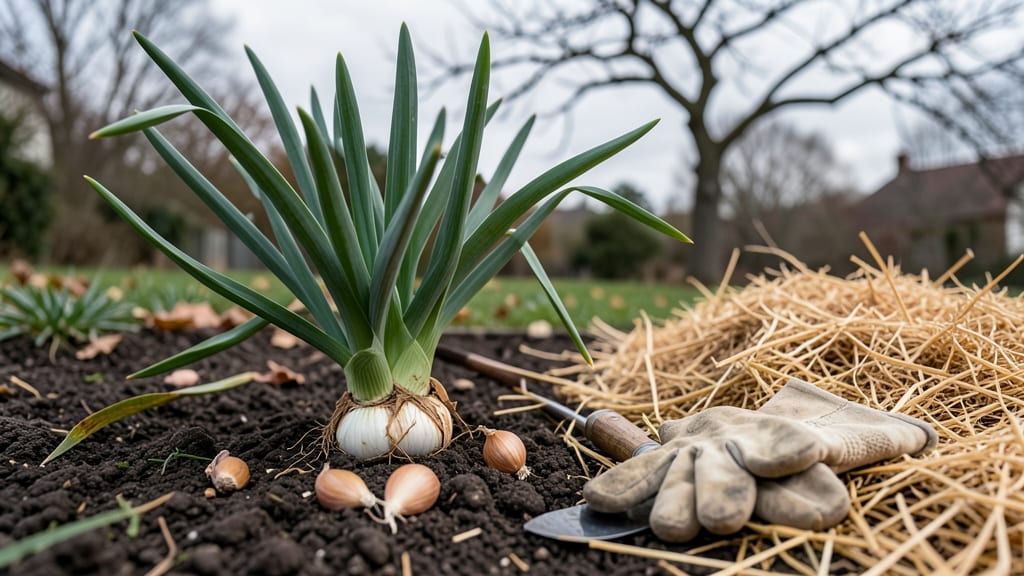
Planting garlic in Alabama at the right time means the difference between plump, flavorful bulbs and disappointing harvests. The key window—October through November—lets your 🧄 establish roots before winter while avoiding early frost damage.
Alabama’s 7b-8b climate gives you a slight edge over colder regions, but timing still matters. Plant too early, and your garlic may bolt; too late, and it won’t mature before summer heat. We’ll break down the exact months that work best for your zone.
Whether you’re growing hardneck or softneck varieties, the goal is simple: harvest before April’s last frost. That means starting now—before the ground cools too much. Let’s get your garlic off to the perfect start.
You’ll learn how to adjust for your specific microclimate, avoid common mistakes, and even troubleshoot if winter throws unexpected freezes. Ready to grow garlic that rivals the best from the grocery store?
Best months to plant garlic in Alabama for zero frost risk harvests
Alabama’s USDA Zones 7b-8b create a unique challenge for garlic growers. Unlike colder climates, our mild winters and unpredictable frost dates demand precise timing to avoid bolting or stunted growth. The sweet spot? Planting between mid-October and mid-November when soil temps drop below 70°F but before hard freezes lock in.
This window ensures garlic establishes roots before dormancy while avoiding spring bolting—a common issue when planted too early. For North Alabama (harsher winters), aim for early October planting. In South Alabama (warmer winters), stretch to late November for safer results.
🌱 Key Insight: Alabama’s first average frost typically hits November 15, but microclimates (like urban heat islands) can delay frost by 2-3 weeks. Always check your local Alabama Extension frost maps before planting.
Here’s why timing matters: Garlic needs 90-120 days of cold exposure (called vernalization) to form bulbs properly. Plant too late, and bulbs stay small. Plant too early, and warm spells trigger premature flowering.
| Planting Window | Soil Temp Requirement | Frost Risk | Best Varieties |
|---|---|---|---|
| Mid-October | 60-70°F | Low (North AL) | Hardneck (e.g., 'Music', 'German White') |
| Late October | 55-65°F | Moderate | Softneck (e.g., 'Silverskin', 'Artichoke') |
| Early November | 50-60°F | High (South AL) | Elephant Garlic (milder climates) |
| Late November | Below 50°F | Very High | Avoid (unless using row covers) |
For container gardening in Alabama, plant 2-3 weeks earlier than in-ground garlic. Pots warm up faster, so aim for early October to avoid heat stress. Use well-draining mixes with 50% compost to prevent rot.
Another critical factor: daylength sensitivity. Alabama’s shorter winter days (10 hours of light) help trigger bulb formation. If you’re in Zone 8a (warmer southern AL), consider spring planting (February) for green garlic harvests, though bulbs won’t develop fully.
To maximize yields, pair garlic with winter cover crops like clover or rye. These improve soil structure and suppress weeds—critical in Alabama’s clay-heavy soils. Just avoid planting garlic where legumes grew the prior year to prevent disease.
Finally, mark your calendar for April 15-May 1, when most Alabama-grown garlic reaches harvest readiness. The 100-day rule applies: Count back from your last expected frost date to determine your ideal planting window.
🌱 Remember: Alabama’s humidity and summer heat can stress garlic if planted too late. Prioritize fall planting for the best balance of cold exposure and spring growth.
Best months to plant garlic in Alabama for zero frost risk harvests
Alabama’s 7b-8b climate gives you a narrow but critical window to plant garlic—October through November—when soil temperatures drop below 70°F but before hard freezes arrive. This timing lets your cloves establish roots while avoiding the November 15 average first frost in most regions.
The ideal planting window is mid-October to early November, when daytime temps hover around 65-75°F and nights dip into the 40s°F. Planting too early risks premature bolting (flowering), while late planting may leave bulbs underdeveloped by April’s last frost.
For North Alabama (zones 7a-7b), aim for late October to early November—closer to the November 15 frost date. In South Alabama (zones 8a-8b), you can stretch planting until mid-November, thanks to milder winters. Always check your local Alabama Cooperative Extension frost data for precise adjustments.
| Zone | Best Planting Window | Soil Temp | Key Consideration |
|---|---|---|---|
| 7b (North AL) | Late Oct–Early Nov | 55–65°F | Avoid early freezes |
| 8a (Central AL) | Mid-Oct–Mid-Nov | 60–70°F | Flexible with mulch |
| 8b (South AL) | Oct–Mid-Nov | 65–75°F | Later frost risk |
Hardneck varieties like ‘Music’ or ‘German White’ thrive in Alabama’s climate and mature faster than softnecks. Plant them 2 inches deep, 4 inches apart, with 6 inches between rows to allow airflow and bulb expansion.
Use well-draining soil with a pH of 6.0–7.0—Alabama’s clay-heavy soils often need compost or sand for ideal texture.
After planting, apply a 2–3 inch mulch layer of straw or leaves to insulate cloves from temperature swings. This is critical in North Alabama, where winter temps can drop below 20°F.
In South Alabama, mulch helps retain moisture during occasional dry spells. Water deeply once after planting, then only when soil is dry to 1 inch deep—overwatering causes rot.
Harvest timing is just as critical: aim for late April to early May, when lower leaves turn brown but upper leaves stay green. If left too long, bulbs split or sprout.
For zero frost risk, pull garlic 2 weeks before your last frost date—in most of Alabama, that’s by March 15. Cure bulbs in a dry, shady spot for 2–3 weeks before storing.