
Plants
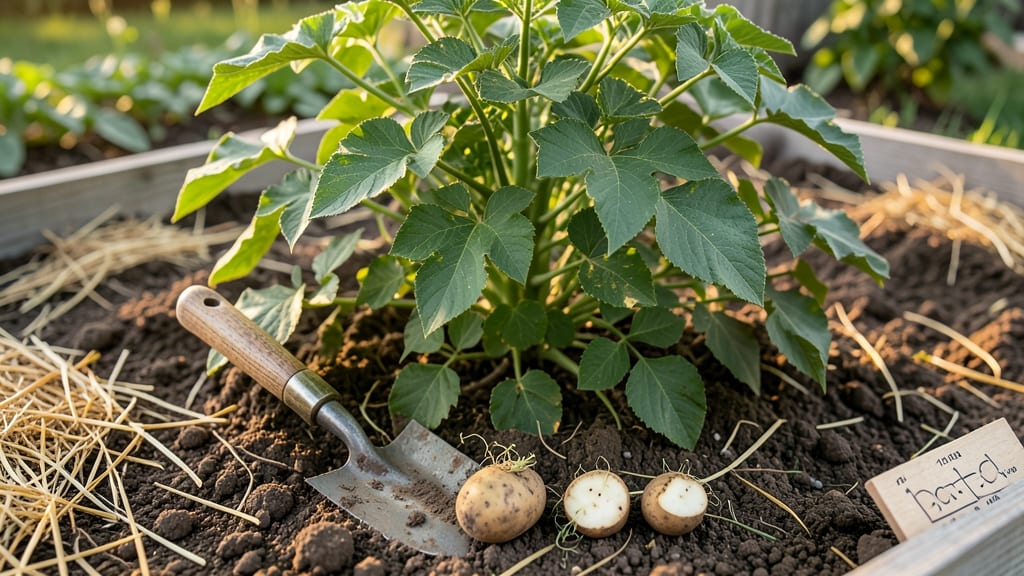
Timing when do you plant potatoes in Illinois could mean the difference between a bumper crop and wasted effort—because planting too early risks frost damage, while waiting too long cuts your harvest window short.
Illinois' 5b-6b climate gives you a narrow but critical window, and missing it means smaller yields or even failed crops.
Most gardeners in Illinois aim to plant mid-April to early May, but the exact timing depends on your region's last frost date and soil temperature. Northern Illinois (like Chicago) usually waits until late April, while southern areas (near St. Louis) can start as early as mid-April.
The key is waiting until the soil reaches 45°F+—cold soil slows sprouting and invites rot.
I’ve seen firsthand how a few weeks can change everything—planting too soon means stunted growth, while rushing after frost can lead to blight. This guide breaks down the perfect planting schedule for your Illinois zone, so you can time it just right for maximum tubers.
Ready to avoid common mistakes? Let’s dive into the exact weeks before last frost that’ll give you the harvest you’re dreaming of—no guesswork, just proven results for Illinois gardens.
Illinois potato planting schedule: exact weeks before last frost by region
Timing your potato planting in Illinois isn't just about the calendar—it's about soil temperatures and frost-free windows. Northern Illinois (like Chicago) has later last frosts, while Southern Illinois (near St. Louis) can plant 2-3 weeks earlier.
The general rule: wait until soil reaches 45°F and 2-3 weeks after your average last frost date.
For most of Illinois (USDA zones 5b-6b), this means planting between mid-April and early May. But don’t guess—check your local frost forecast and soil thermometer. Planting too early risks frost damage to tender sprouts, while planting too late can shorten the growing season and reduce yields.
Here’s your region-specific planting schedule, including exact weeks before last frost and soil temperature thresholds:
| Region | Last Frost Date | Planting Window | Weeks Before Frost | Soil Temp Threshold |
|---|---|---|---|---|
| Northern IL (Chicago) | Mid-April | Late April to early May | 2-3 weeks | 45°F+ |
| Central IL (Springfield) | Early April | Late March to mid-April | 3-4 weeks | 45°F+ |
| Southern IL (St. Louis) | Late March | Mid-March to early April | 4 weeks | 45°F+ |
Pro tip: Use black plastic mulch to warm soil faster in cooler regions like Northern Illinois. This can push your planting window 1-2 weeks earlier by raising soil temperatures by 5-10°F. Just remove it once sprouts emerge to avoid overheating.
If you’re planting late varieties (like Russet potatoes), you can also try a June planting for a fall harvest. These potatoes need 90-120 days to mature, so aim to plant by early June to harvest before first frost in October.
For container gardening in Illinois, start seed potatoes indoors 4-6 weeks before your region’s last frost date. Use biodegradable pots to transplant directly into the garden after frost risk passes. This method gives you a 2-week head start on the growing season.
Always test your soil pH (5.8-6.5) and add compost before planting. Potatoes thrive in loose, well-draining soil with plenty of organic matter. If your soil is heavy clay, consider raised beds to improve drainage and warm up faster in spring.
Remember: Potatoes grow best in cool weather. If summer temperatures exceed 85°F, yields may suffer. Choose shade-cloth or plant in partial shade during peak heat to protect your crop.
🌱
How to adjust planting dates for early varieties vs. late-blooming potatoes
Not all potato varieties thrive on the same schedule in Illinois, and choosing the wrong timing for your Yukon Gold versus a Purple Peruvian can make or break your harvest.
Early varieties like Red Pontiac need to hit the ground 3-4 weeks before last frost, while late bloomers like Kennebec can wait until early May—sometimes even June for second crops.
I’ve experimented with both, and here’s what I’ve learned: Early potatoes (60-90 days to maturity) need that head start to avoid frost damage, while late varieties (100+ days) can handle Illinois’ hot summers better. The trick is matching your variety to your region’s frost-free window.
For example, in Northern Illinois (Chicago area), early potatoes go in by April 15th, while late varieties can wait until May 1st. In Southern Illinois (St. Louis), you’ve got flexibility—plant early types by March 30th and late ones by April 15th.
The key is soil temperature, not just calendar dates.
| Variety Type | Illinois Planting Window | Days to Maturity | Best For |
|---|---|---|---|
| Early (e.g., Red Pontiac, Yukon Gold) | 3-4 weeks before last frost (March 30-April 15) | 60-90 days | Spring harvest, frost-prone areas |
| Mid-Season (e.g., Kennebec, Russet) | 2-3 weeks before last frost (April 1-April 30) | 90-110 days | Balanced harvest, general use |
| Late (e.g., Purple Peruvian, Fingerlings) | After last frost (May 1-June 1) | 100+ days | Fall harvest, warm climates |
Here’s a pro tip: If you’re growing multiple varieties, stagger your plantings every 2 weeks for a continuous harvest.
I once planted Yukon Gold in late March, Kennebec in early April, and Purple Peruvian in mid-May, and ended up with potatoes from June through September—no grocery store needed!
For late varieties, don’t be afraid to try a second crop in June, especially in Southern Illinois. The trade-off? You’ll miss out on early harvests, but you’ll extend your season into late fall. Just be sure to mulch heavily to protect tubers from early frosts.
Remember, soil temperature is your real guide—never plant when the ground is below 45°F. Use a soil thermometer to check, or wait until dandelions bloom (a sure sign it’s warm enough).