
Plants
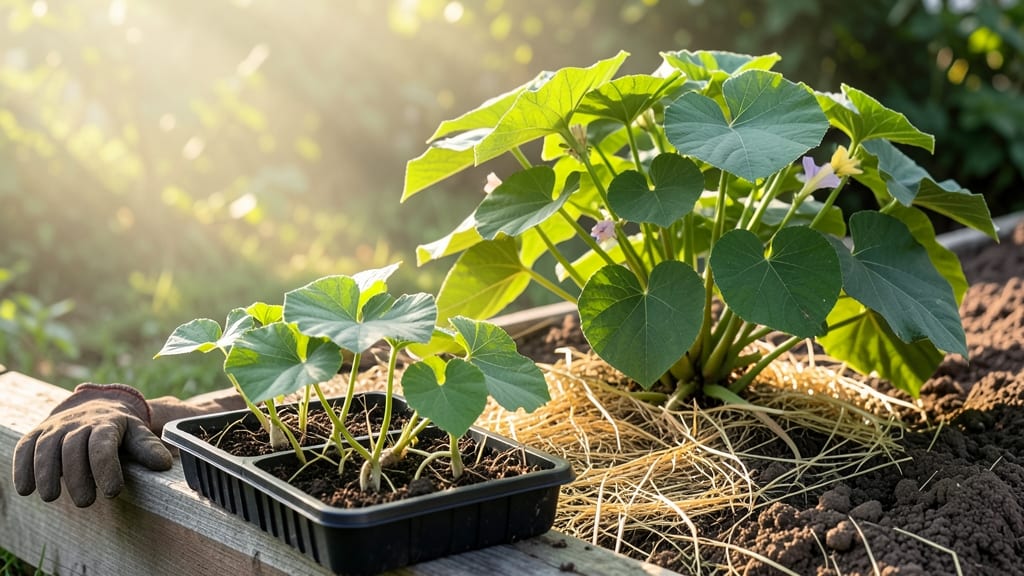
Planting your 🍠 sweet potatoes at the wrong time in Alabama could mean watching your hard work wither before it even begins. The key to a thriving harvest lies in those golden spring months when soil temperatures finally climb above 65°F—and frost risk vanishes for good.
Most Alabama gardeners know timing matters, but did you know that even a two-week delay can shorten your growing season? In zones 7b-8b, the perfect window opens between mid-April and June, giving your slips the warm, frost-free environment they crave.
Miss this window, and you might end up with stunted plants or even worse—no harvest at all.
Here’s the game-changer: Alabama’s climate rewards precise planting, but it also demands patience. Whether you’re growing from slips or seeds, understanding soil temperature thresholds and regional microclimates (coastal vs. inland) can double your yield.
Let’s break down exactly when to plant—and how to avoid the most common mistakes that sabotage sweet potato gardens every year.
From choosing the right varieties to extending your harvest window, I’ll show you how to turn Alabama’s heat into your 🍠 sweet potato advantage. Ready to dig in?
Best planting months for sweet potatoes in Alabama (avoid these mistakes)
Alabama’s warm, humid climate creates perfect conditions for growing sweet potatoes, but timing your planting is critical. The last frost date in most of Alabama falls around March 15, but that’s not when you should plant.
Sweet potatoes need consistent warmth—soil temperatures must reach at least 65°F before planting slips (young plants).
Most gardeners in Alabama plant sweet potatoes between mid-April and mid-June. This window ensures your plants have 120-150 days of warm weather to mature before the first frost in November.
Coastal areas like Mobile can plant slightly earlier, while inland regions should wait until late April to avoid unexpected cold snaps.
Here’s the key: Plant slips after the last frost when soil temperatures are stable at 85°F+. Early planting in cooler soil leads to stunted vines and poor tuber development. If you’re starting from seeds (less common in Alabama), begin them indoors 8-10 weeks before your target transplant date.
| Planting Window | Soil Temp Requirement | Frost Risk | Best For |
|---|---|---|---|
| Mid-April to May 15 | 65°F+ (stable) | Low (after last frost) | Early harvests, coastal areas |
| May 16 to June 15 | 75°F+ (optimal) | None | Main harvest, inland areas |
| June 16 to July 15 | 85°F+ (ideal) | None (late season) | Extended season, heat-tolerant varieties |
If you plant in March, you risk frost damage to young slips, even if the air temperature warms up. Conversely, planting after July 15 may not give your sweet potatoes enough time to mature before the first frost in November.
For a second crop, some gardeners try planting in late June, but yields are often smaller due to shorter daylight and heat stress.
Alabama’s USDA Zones 7b-8b mean you have a 215-day frost-free window, but sweet potatoes need at least 120 days from planting to harvest. This leaves a 90-day buffer for unexpected weather.
Use this buffer to plant slips (not seeds) for faster growth—most Alabama gardeners source slips from local nurseries in April.
One common mistake is assuming all sweet potatoes grow the same. Beauregard and Covington varieties mature in 90-100 days, while Jewel takes 130-150 days. Choose your variety based on your planting date to ensure a timely harvest.
For example, plant Jewel in April for a September harvest, but avoid planting it in June—it won’t mature before frost.
Pro tip: Check your local Alabama Extension Office for microclimate data. Coastal areas like Mobile can plant 2-3 weeks earlier than inland cities like Birmingham due to warmer soil temperatures.
Use a soil thermometer to confirm your soil is ready—65°F is the minimum, but 85°F+ is ideal for rapid vine growth.
Remember, sweet potatoes are heat-loving plants. If your summer temperatures exceed 95°F, provide afternoon shade to prevent vine stress. Mulch with straw or black plastic to keep soil temperatures stable and conserve moisture—a critical factor in Alabama’s humid climate.
Finally, avoid the temptation to plant seeds directly in the ground. Alabama’s short growing season doesn’t allow enough time for seeds to germinate and mature. Stick with slips for the fastest, most reliable harvests.
With the right timing, your sweet potatoes will thrive in Alabama’s heat, giving you a bountiful harvest of sweet, starchy tubers.
Best planting months for sweet potatoes in Alabama (avoid these mistakes)
Alabama’s USDA zones 7b-8b create a perfect sweet potato paradise—but only if you plant at the right time. The last frost date typically falls around March 15, but don’t rush to plant just because the air warms up.
Your slips need soil temperatures above 65°F to thrive, and that usually means waiting until mid-April or later.
I’ve learned the hard way that planting too early—like in late March—can leave your sweet potatoes vulnerable to soil-borne diseases and stunted growth. The ideal window spans from mid-April through June, giving your plants a full 120-day growing season before Alabama’s first frost in mid-November.
🌱 Sweet Potato Planting Timeline for Alabama
| Stage | Action | Key Consideration |
|---|---|---|
| Soil Prep | Test soil pH (6.0-6.8) | Alabama clay soils often need compost |
| Slip Purchase | Buy slips in March-April | Look for 6-inch slips with 3-4 leaves |
| Planting Window | Mid-April to June | Soil must be 65°F+ |
| Harvest Ready | September-October | Before first frost (Nov 15) |
Here’s the secret most Alabama gardeners miss: Coastal areas like Mobile can plant 2-3 weeks earlier than inland regions because of milder temperatures. If you’re in North Alabama (Huntsville, Decatur), wait until late April to avoid cooler nights that slow growth.
One common mistake I see is planting slips too deep—bury them just 4-6 inches deep with the top half of the slip above soil. This ensures strong root development while keeping the vine exposed to sunlight.
Another pro tip: Use black plastic mulch to warm the soil faster and suppress weeds.
For those who want to extend the season, you can attempt a late July planting of short-season varieties like Georgia Jet, but expect smaller yields. The key is consistent moisture—Alabama’s summer heat demands deep watering 2-3 times per week once the vines start running.
Remember: Sweet potatoes need heat—they won’t grow well if planted before the soil warms. Use a soil thermometer to confirm temperatures before planting. This small investment can mean the difference between a bountiful harvest and wasted effort.