
Plants
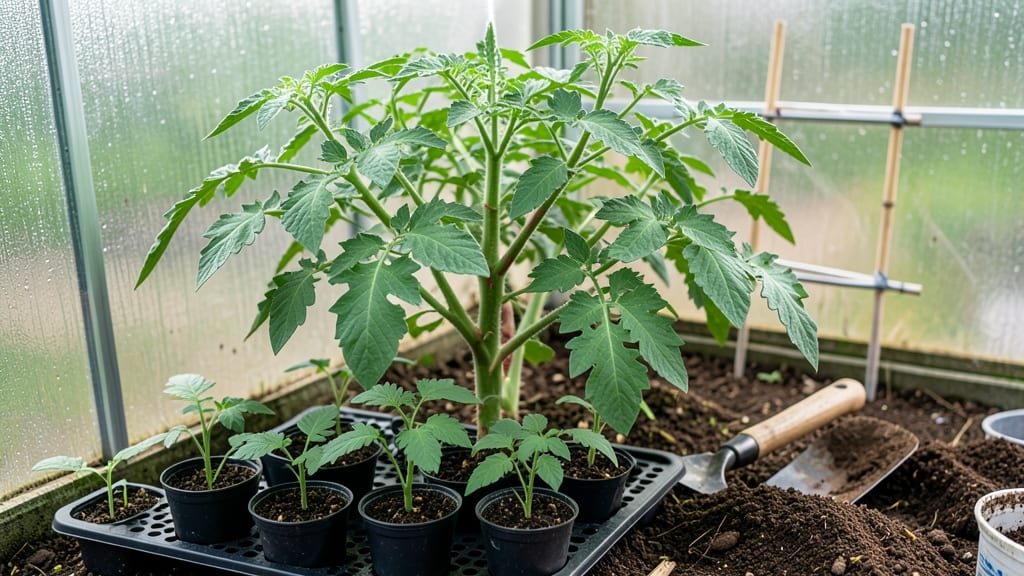
Planting your tomato plants 🍅 in a greenhouse at the wrong time can mean the difference between a bumper crop and wasted effort—and the key to success starts with knowing the perfect schedule.
Unlike outdoor gardens, greenhouses let you cheat Mother Nature's timeline, but only if you follow the right rules for your climate zone.
Most gardeners make the mistake of waiting too long, thinking they have more time because of the greenhouse's controlled environment. But the truth is, you can start seeds 6-8 weeks before your last frost date, giving your plants a head start that outdoor gardeners can only dream of.
This early advantage means you'll be harvesting ripe tomatoes months before your neighbors even think about planting.
What makes greenhouse timing different? Unlike open-air gardens, your greenhouse creates its own microclimate where temperature and humidity work in your favor.
I'll show you exactly how to use these conditions to your advantage—from adjusting planting dates based on heat retention to avoiding common pitfalls that even experienced gardeners fall for.
Whether you're in a cold northern zone or a mild southern climate, this guide will give you the precise planting window for your greenhouse tomatoes. Let's get those seeds in the ground at the perfect moment for maximum growth and flavor.
Optimal greenhouse planting timeline by climate Zone
A greenhouse extends your tomato-growing season, but planting too early or late still risks poor results. The key is aligning your schedule with your USDA climate zone and the greenhouse's ability to regulate temperature.
Unlike outdoor planting, where you wait until after the last frost, greenhouse tomatoes can start 4-6 weeks earlier—but only if you have reliable heat control.
Most gardeners make the mistake of treating greenhouse planting like outdoor planting. The truth? A well-insulated greenhouse can protect seedlings from light frosts (down to 28°F), letting you plant 2-3 weeks before your zone’s last frost date.
For example, in Zone 5, outdoor gardeners wait until mid-May, but greenhouse growers can start in early April.
Here’s how to calculate your personalized planting window: Check your average last frost date (find it via [USDA Plant Hardiness Zone Map](https://planthardiness.ars.usda.gov/)), then subtract 4 weeks for seed starting and 2 weeks for transplanting.
A greenhouse in Zone 7 might see tomatoes planted by early March, while Zone 3 gardeners should aim for late April.
| Zone | Start Seeds Indoors | Transplant to Greenhouse | First Harvest Window |
|---|---|---|---|
| 3-4 | Mid-March to early April | Late April to mid-May | Late July to August |
| 5-6 | Early March to early April | Early April to early May | June to early September |
| 7-8 | Late February to early March | Late March to early April | May to October |
| 9-10 | January to early February | February to early March | April to November |
*Assumes a well-insulated greenhouse with heat source. Adjust for unheated greenhouses by delaying transplanting by 2-3 weeks.
For unheated greenhouses, shift your schedule 2-3 weeks later to avoid cold snaps. Even with protection, seedlings need consistent warmth (at least 60°F at night). If your greenhouse lacks a heater, use row covers or a small space heater to maintain safe temperatures during transplanting.
Pro tip: Sow a few extra seeds 2 weeks after your initial planting date. This backup ensures you have healthy seedlings ready if the first batch struggles with cold drafts or humidity fluctuations.
Varieties like Early Girl or Stupice mature quickly (in 60-70 days), making them ideal for early greenhouse starts.
Don’t forget to harden off seedlings before transplanting. Acclimate them to greenhouse conditions over 7-10 days by gradually exposing them to lower nighttime temps and direct sunlight. Skip this step, and you risk shocked plants that wilt or develop blossom end rot from stress.
Once transplanted, monitor soil temperature—tomatoes thrive when roots hit 60-70°F. Use a soil thermometer to confirm warmth before planting. If your greenhouse soil stays cool, black plastic mulch or grow lights can give roots the boost they need to establish quickly.
Finally, plan for succession planting. After your first harvest, pull out spent plants and replant with fast-maturing varieties like Cherry Tomatoes or Roma. A greenhouse lets you squeeze in 2-3 harvests per season, far more than outdoor gardens allow.
🌱
How greenhouse conditions change tomato planting rules
A greenhouse creates a microclimate that lets you bend traditional planting rules—but only if you understand how it works. Unlike outdoor gardens, your greenhouse can retain heat for weeks longer, allowing earlier starts and later harvests.
This means you can plant 4-6 weeks before your last frost date without risking frost damage, giving your tomatoes a massive head start.
The key difference is temperature control. Most greenhouses stay 10-15°F warmer than outdoor temps, especially at night. This warmth lets you start seeds indoors 8-10 weeks before transplanting, while outdoor gardeners wait until after the last frost.
Even in Zone 3, I’ve seen tomatoes thrive when planted in a greenhouse by late March—months before outdoor soil is workable.
Humidity also plays a role. Greenhouses trap moisture, which speeds up germination but can cause damping off if ventilation is poor. That’s why I recommend using seedling heat mats for the first 2 weeks—keeping soil temps between 70-85°F ensures strong, disease-resistant seedlings.
Without this control, seedlings often become leggy or weak.
💡 Greenhouse Advantage
Your greenhouse can extend the growing season by 6-8 weeks on either end. Use this to:
- Start seeds earlier (8-10 weeks before last frost)
- Transplant seedlings sooner (4-6 weeks before outdoor safe date)
- Harvest later into fall without frost risk
Pro Tip: Monitor nighttime temps—keep them above 50°F for healthy growth.
Light is another game-changer. Greenhouses focus and amplify sunlight, so you can reduce spacing between plants by 20-30%. I’ve successfully grown 6 plants per 4’x8’ bed in my greenhouse, compared to just 2-3 outdoors. Just ensure your greenhouse has clear polycarbonate panels—they let in 20% more light than glass.
Ventilation timing is critical. Most gardeners forget that greenhouses can get too hot during summer, stunting growth. I install automatic vents that open at 85°F and close at 75°F, maintaining ideal conditions. Without this, your tomatoes may bolt prematurely or develop sunburn.
Finally, greenhouse soil warms up faster in spring. Test soil temps—tomatoes need 60°F+ to thrive. In my Zone 5 greenhouse, I plant by mid-April when outdoor soil is still frozen. This early start means I harvest red tomatoes by July, beating outdoor gardeners by 8 weeks.