
Plants
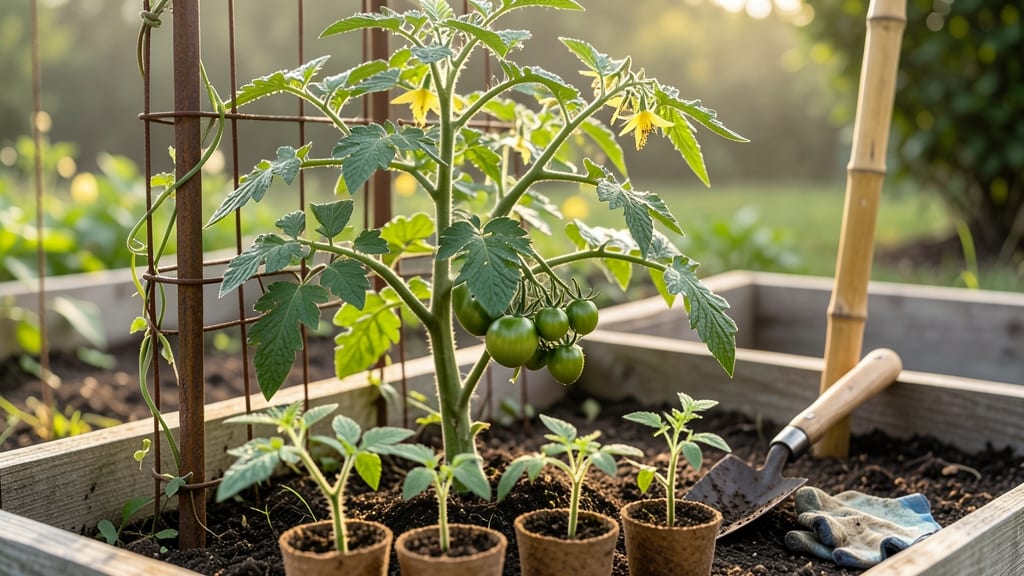
Knowing when to plant tomatoes in Arkansas could mean the difference between a bumper crop of juicy 🍅s and a sad, wilted disappointment.
With Arkansas' USDA zones 7a-8b offering a longer growing season than many northern states, timing is everything—but getting it wrong can leave your plants vulnerable to frost or stunted growth.
The ideal window for Arkansas gardeners is between March 15 and April 30, once soil temperatures consistently hit 60°F and the last frost date has passed.
But don’t stop there—fall planting from August 1 to September 15 can extend your harvest through November, giving you a second chance at tomato bliss.
Whether you're direct sowing seeds or transplanting seedlings, Arkansas' climate demands flexibility. Late frosts in the mountains or sudden heatwaves in the Delta can throw off even the best-laid plans.
I’ll show you how to adjust your approach based on your region—so you can grow tomatoes that thrive, not just survive.
Ready to turn your garden into a tomato powerhouse? Let’s break down the exact steps to plant for success, no matter where you are in the state.
Arkansas tomato planting dates by region: frost & soil temperature guide
Arkansas spans USDA hardiness zones 7a-8b, creating distinct planting windows across its three main regions. North Arkansas's cooler mountain climate differs dramatically from the humid Delta region, so one planting schedule doesn't fit all.
Let's break down the ideal timing for each area based on average last frost dates and soil temperature thresholds—tomatoes need at least 55°F soil to germinate and 60°F+ for vigorous growth.
For all regions, fall planting (August-September) extends your harvest season, but requires careful timing to avoid early frosts. The key metric is 210 frost-free days—most Arkansas varieties need this full season to mature.
Let's explore your specific region's optimal planting windows, including transplanting vs. direct sowing recommendations for each zone.
📌 PRO TIP: Use a soil thermometer to verify temperatures before planting—cool, wet springs can delay soil warming by weeks. Arkansas Extension Service data shows 3-4 week variations in soil warming across regions.
| Region | USDA Zone | Last Frost Date | Spring Planting Window | Fall Planting Window | Soil Temp Threshold |
|---|---|---|---|---|---|
| North Arkansas (Mountains) | 7a-7b | April 15-20 | May 1-15 (transplant) or June 1 (direct sow) | August 1-15 | 60°F+ (warmer microclimates) |
| Central Arkansas | 7b-8a | March 20-April 5 | April 15-May 10 (transplant) or May 15 (direct sow) | August 15-September 1 | 55°F+ (standard) |
| South Arkansas (Delta) | 8a-8b | March 10-20 | March 20-April 30 (transplant) or April 15 (direct sow) | September 1-15 | 50°F+ (earlier possible) |
🌱 Key: Transplanting gives earlier harvests; direct sowing reduces transplant shock
Central Arkansas gardeners have the most flexibility due to its moderate climate, but even here, late March frosts occur about 1 in 3 years. I recommend starting seeds indoors by February 15 for Central Arkansas to get a head start.
For North Arkansas, extend your season with row covers—they can add 2-4 weeks of protection against late frosts.
In the Delta region, soil warms faster due to humidity, but humidity also increases disease pressure. Choose disease-resistant varieties like 'Celebrity' or 'Mountain Merit' for these areas. The earlier planting window in the South means you can often get two harvests per year—spring and fall plantings.
💡 REGION-SPECIFIC TIP: North Arkansas gardeners should prioritize cold-hardy varieties like 'Stupice' or 'Glacier' for early planting. These can tolerate light frosts (28-32°F) once established, giving you a 3-week head start on traditional varieties.
For all regions, monitor local weather patterns—Arkansas's unpredictable spring weather can shift planting windows by weeks. The Arkansas Climate Office provides 10-day frost probability forecasts that are invaluable for finalizing your planting date. Bookmark their frost risk maps before your next planting season!
Remember: Soil temperature matters more than air temperature. A 60°F soil with 70°F air is ideal, while cool soil (below 55°F) will stunt seedling growth. Use black plastic mulch to warm soil 5-10°F faster in cooler regions.
🌡️ TEMPERATURE CHECK: Test soil temperature at 4-inch depth in morning sunlight for most accurate readings. Early mornings often show 5-10°F cooler temps than afternoon readings.
How to adjust tomato planting for Arkansas’s unpredictable weather patterns
Arkansas’ weather can be as unpredictable as a summer storm—one day it’s warm and sunny, the next you’re dealing with a late frost or scorching heatwave. To beat these challenges, I’ve learned to adjust my tomato planting strategy based on local conditions.
Whether you’re in the mountains of Northwest Arkansas or the humid Delta region, flexibility is key.
For gardeners in USDA Zone 7a (like the Ozarks), I recommend starting seeds indoors by February 15 to give seedlings a head start. Transplant them outdoors only after the average last frost date (around April 15), but always check soil temperatures—60°F+ is non-negotiable for germination.
In Zone 8b (southern Arkansas), you can direct sow seeds as early as March 1 if the soil is warm enough.
Indoor Seed Starting vs. Direct Sowing
Indoor Seed Starting
- ✅ Pros: Earlier harvest, better control over conditions
- ✅ Pros: Hardier seedlings resistant to transplant shock
- ✅ Pros: Ideal for late frost-prone areas (Zone 7a)
- ❌ Cons: Requires grow lights or sunny windows
- ❌ Cons: More time-intensive (watering, thinning)
Direct Sowing
- ✅ Pros: Simpler, less risk of transplant shock
- ✅ Pros: Better for warm climates (Zone 8b)
- ✅ Pros: No need for indoor setup
- ❌ Cons: Vulnerable to late frosts
- ❌ Cons: Slower germination in cool soil
If you’re planting in April or later, use black plastic mulch to warm the soil faster and deter weeds. I’ve found that covering seedlings with floating row covers (like Reemay fabric) can protect them from unexpected 32°F frosts until they’re established.
For fall planting, start seeds indoors by July 1 and transplant outdoors by August 15—this gives them time to mature before the first frost in November.
Another trick I swear by? Succession planting. Instead of planting all your tomatoes at once, stagger them every 2-3 weeks in spring and fall. This ensures a continuous harvest and reduces the risk of losing everything to a single heatwave or disease outbreak.
For example, plant one batch in early April, another in mid-April, and a final one in late April—this way, you’ll have tomatoes ripening through July and August.
Don’t forget to monitor humidity levels, especially in the Delta region. High humidity can lead to fungal diseases like early blight, so I always space my plants 18-24 inches apart for good airflow.
If a heatwave hits, provide shade cloth during the hottest hours to prevent sunscald on fruits. With these adjustments, you’ll turn Arkansas’ quirks into advantages for a bountiful tomato harvest. 🌱