
Plants
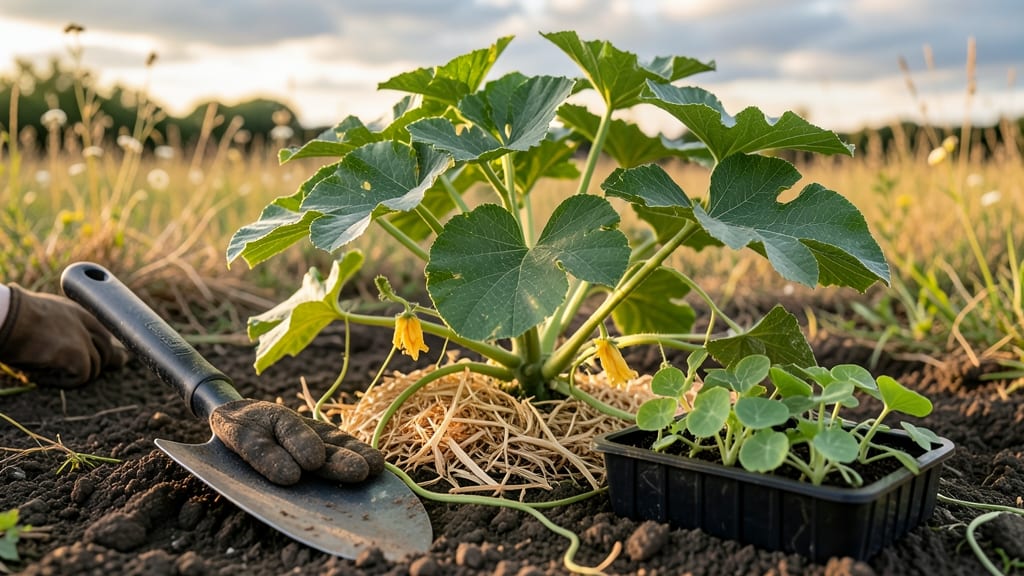
Timing your 🍉 watermelon planting in North Carolina isn’t just about avoiding frost—it’s about unlocking the sweetest, juiciest harvests the state has to offer. Plant too early, and you risk stunted growth from cool soil; too late, and your vines won’t have enough time to mature before summer’s heat fades.
The exact window between mid-April and early June (after last frost) makes all the difference for varieties that thrive in NC’s 7a-8b zones.
Most gardeners assume “spring planting” means dropping seeds as soon as the ground is workable—but watermelons demand warm soil (at least 70°F) to germinate properly.
That means waiting until late May in cooler Piedmont regions or even early June in the Mountains, while Coastal NC growers can start as early as April. This precision isn’t just theory; it’s what separates thriving vines from failed patches.
Here’s the game-changer: whether you’re starting seeds indoors for a head start or sowing directly into the garden, the 3-4 week rule applies. Count backward from your last frost date, factor in your watermelon’s 70-90 day maturity span, and you’ll pinpoint the perfect moment to plant.
Skip this step, and you might end up with bitter fruit—or worse, no fruit at all.
Ready to grow watermelons that rival the ones at the farmers’ market? I’ll walk you through NC-specific strategies, from soil prep to extending your season with row covers, so you can harvest ripe, flavorful 🍉 from July through September—no guesswork required.
North Carolina’s ideal watermelon planting schedule by region (exact weeks before last frost)
North Carolina’s diverse climate means your watermelon planting schedule depends heavily on whether you’re in the Coastal Plain, Piedmont, or Mountains. Each region has different last frost dates and soil warming patterns, so planting too early or late can spell disaster for your juicy harvest.
Let’s break down the exact planting windows for each zone, including when to start seeds indoors and when to direct sow for maximum success.
For Coastal NC (Zones 7b-8a), the last frost date typically falls around March 15, but soil rarely warms enough for watermelons until April 15–May 1. This gives you a 6-week window to get seeds in the ground before summer heat sets in.
In the Piedmont (Zones 7a-7b), last frost is usually April 1, but you’ll need to wait until May 1–15 for soil to reach the 70°F+ threshold watermelons crave.
Mountain regions (Zones 6b-7a) have the shortest growing season, with last frost around April 15. Here, you’ll want to start seeds indoors by March 1 and transplant after May 15 to avoid early frost damage. Pro tip: Use black plastic mulch to warm soil faster in cooler zones.
| Region | Last Frost Date | Ideal Planting Window | Soil Temp Requirement | Seed Start Indoors | Direct Sow Date |
|---|---|---|---|---|---|
| Coastal Plain (Zones 7b-8a) | March 15 | April 15–May 15 | 70°F+ | March 1 (optional) | April 15–May 1 |
| Piedmont (Zones 7a-7b) | April 1 | May 1–June 1 | 70°F+ | March 15 (recommended) | May 15–June 1 |
| Mountains (Zones 6b-7a) | April 15 | June 1–July 1 | 70°F+ | March 1 (essential) | After May 15 |
If you’re unsure about your soil temperature, invest in a soil thermometer—watermelon seeds won’t germinate below 70°F, and cool soil can delay sprouting by weeks.
For Coastal NC, you can even plant a second crop in early June for a late-summer harvest, but avoid planting after July 1 in most regions to ensure fruit matures before frost.
For gardeners in Piedmont and Mountain zones, consider heat-tolerant varieties like ‘Crimson Sweet’ or ‘Sugar Baby’—they mature faster (in 70–80 days) and handle NC’s humidity and heat better than slower varieties.
If you’re in a short-season area, opt for bush-type watermelons (like ‘Black Diamond’) that spread less aggressively and produce fruit sooner.
One common mistake I see is planting watermelons too early in hopes of a longer growing season. Cold soil and frost-sensitive seedlings will stunt growth, leaving you with small, bitter fruit.
Instead, wait for consistent warmth—even if it means a slightly later harvest. Patience here pays off with sweeter, larger melons.
To extend your harvest window, try succession planting: Sow a few seeds every 2 weeks from April through June. This staggered approach ensures a continuous supply of ripe watermelons from July through September, just in time for summer picnics and BBQs.
Just remember—watermelons need space, so plan for 3–4 feet between plants and 6–8 feet between rows.
Finally, if you’re in a high-humidity area (like Coastal NC), prioritize good air circulation around vines to prevent powdery mildew. Use trellises or raised beds to lift vines off damp soil, and avoid overhead watering.
With the right timing and care, you’ll be slicing into homegrown watermelons by mid-summer.
🌱☀️🍉
5 Critical factors that determine your watermelon planting success in NC (and how to adjust)
North Carolina’s diverse climate zones mean your 🍉 watermelon planting timeline can shift by 3-4 weeks depending on where you live. The 5 critical factors below aren’t just technical details—they’re the difference between a bountiful harvest and wasted effort.
Let’s break them down so you can adjust your schedule like a pro.
First, soil temperature is non-negotiable. Watermelon seeds won’t germinate until the soil hits 70°F (21°C). In the Mountains (Zone 7a), this might not happen until late May or June, while Coastal NC (Zone 8a) can start as early as mid-April.
Use a soil thermometer—it’s the only way to know for sure.
| Factor | NC-Specific Adjustment | Actionable Tip |
|---|---|---|
| Soil Temperature | 70°F+ required for germination | Wait for consistent warmth; use black plastic mulch to warm soil faster. |
| Last Frost Date | Coastal: Mid-April | Piedmont: Late April | Mountains: Early June | Plant 2-3 weeks after your region’s last frost date for safety. |
| Day Length | Longer days speed growth in summer | Choose early-bearing varieties (60-70 days) for shorter growing seasons. |
| Variety Selection | Heat-tolerant vs. early-bearing | For NC’s heat, pick ‘Sugar Baby’ (70 days) or ‘Crimson Sweet’ (85 days). |
| Frost Risk | Late frosts in Piedmont/Mountains | Use row covers for early plantings or start seeds indoors 3-4 weeks before last frost. |
Second, day length plays a sneaky role. Watermelons thrive in long summer days, which is why June plantings often outperform May in NC’s Piedmont. If you’re in the Mountains, opt for early-bearing varieties (like ‘Black Diamond’) to compensate for shorter growing seasons.
Third, variety selection can shift your timeline by 2-3 weeks. Heat-tolerant varieties (e.g., ‘Jubilee’) handle NC’s 90°F+ summers better than standard types, while early-bearing varieties (e.g., ‘Sugar Baby’) mature in 60-70 days, giving you flexibility.
Check seed packets for “days to maturity” and count backward from your first frost date.
Fourth, frost risk isn’t just about the last frost—it’s about late surprises. Piedmont and Mountain gardeners should treat May 15 as a flexible deadline, not a guarantee. Use row covers or a mini greenhouse to protect seedlings if frost threatens.
I’ve seen June frosts wipe out unprotected watermelon starts in the Asheville area—don’t let it happen to you.
Finally, humidity is your silent ally or enemy. Coastal NC’s high humidity can speed up germination but also increase powdery mildew risk. If your area is prone to damp mornings, plant 1-2 weeks later than the recommended window to avoid fungal issues.
And always mulch heavily to balance moisture—watermelons hate soil that’s too wet or too dry.
Pro tip: Bookmark your local Cooperative Extension Service frost maps (like NC Weather) and set a reminder for soil temperature updates. With these factors locked in, you’ll plant with confidence—no more guessing games.