
Plants
Knowing when it's safe to plant in Michigan can mean the difference between a lush garden and a frost-killed disappointment. Michigan’s unpredictable spring weather makes timing everything—whether you’re planting tender tomatoes or hardy peas, getting it wrong could cost you the whole season.
I’ve learned the hard way that last frost dates aren’t just numbers—they’re your garden’s lifeline. In the Upper Peninsula, you might still see frost in early June, while southern Michigan could be ready by mid-April.
Without the right timing, even the most careful gardener can end up with wilted seedlings or stunted growth.
What if you could plan your planting schedule with confidence, knowing exactly when to sow each crop and how to protect it from late frosts?
I’ll break down Michigan’s unique frost zones, share foolproof planting windows, and even show you how to extend your growing season with simple tricks like row covers.
Let’s dive into the exact dates you need to start planting—so you can finally stop guessing and start growing.
Michigan’s last frost dates by USDA hardiness Zone: when to plant warm vs cold crops
Michigan spans five USDA hardiness zones (5a, 5b, 6a, 6b), each with distinct last frost dates that determine when to plant.
In Zone 5a (northern Lower Peninsula and Upper Peninsula), the average last frost falls between May 15–20, while Zone 6b (southern Michigan) sees frost-free conditions by April 25–May 5.
These dates separate cold-hardy crops (like peas and spinach) from warm-season plants (tomatoes, peppers) that need soil temperatures above 50°F.
But frost dates aren’t the only factor—soil temperature matters just as much. For example, tomatoes thrive when soil reaches 60°F, which typically happens 2–3 weeks after the last frost in most zones.
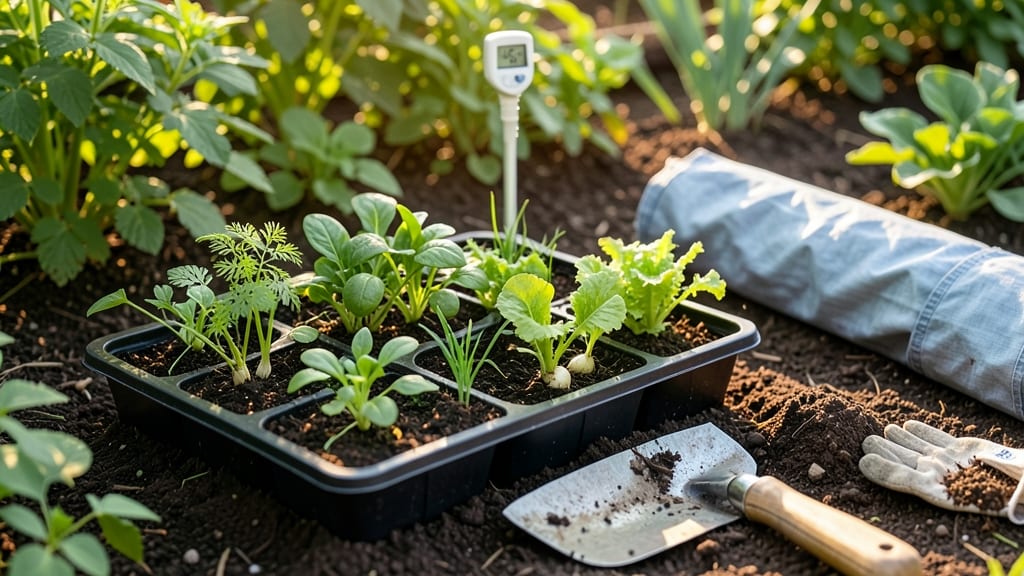
Using a soil thermometer ensures you plant at the right time, even if the air feels warm. In my garden, I’ve learned that waiting for consistent warmth prevents stunted growth or frost damage.
Here’s how Michigan’s zones break down for planting:
| Zone | Avg. Last Frost | Cold Crop Window | Warm Crop Window | Soil Temp Needed |
|---|---|---|---|---|
| 5a (UP, N. MI) | May 15–20 | March 15–April 30 | May 25–June 5 | 50°F+ for peas, 60°F+ for tomatoes |
| 5b (N. Lower MI) | May 5–10 | March 1–April 15 | May 15–25 | 50°F+ for lettuce, 60°F+ for cucumbers |
| 6a (S. Lower MI) | April 25–May 5 | February 20–April 1 | May 1–15 | 45°F+ for spinach, 65°F+ for peppers |
| 6b (SW MI) | April 15–25 | February 1–March 20 | April 20–May 1 | 50°F+ for broccoli, 70°F+ for eggplants |
For warm-season crops, I always wait until 2 weeks after the average last frost to be safe.
In Zone 5a, that means holding off until early June for tomatoes, while Zone 6b gardeners can start as early as late April. Cold-hardy crops like kale and radishes, however, can handle light frosts and often do well when planted 4–6 weeks before the last frost date.
Microclimates add another layer of complexity. Urban areas like Detroit or Grand Rapids may experience earlier last frosts due to the "urban heat island" effect, while rural spots in the Thumb region might see later frosts.
I’ve found that checking local weather stations (like those from Michigan State University) or using a frost-free date calculator helps tailor planting times to my specific location.
One of my biggest mistakes was planting tomato seedlings too early in Zone 5b—a late frost in early May wiped out my entire crop. Now, I use row covers or start warm-season plants indoors 6–8 weeks before the last frost to extend the growing season.
For cold crops, I’ve learned to succession plant every 2 weeks from March through May to ensure a steady harvest.
If you’re unsure about your exact last frost date, consider using Almanac’s Frost Calculator or tracking 3–5 years of local data. In my experience, planting by the moon or relying solely on calendar dates isn’t enough—soil temperature and weather patterns are the real indicators of success.
For example, a warm April might allow for earlier planting, while a cold May could delay the season by weeks.
Pro tip: Mark your calendar with two key
How to use frost dates to plan your Michigan garden calendar: a month-by-month guide
Michigan’s planting season unfolds like a carefully choreographed dance—each crop has its moment to shine, and missing the window can mean wasted effort. I’ve found that breaking your garden into monthly planting blocks takes the guesswork out of timing.
Here’s how to align your planting with Michigan’s natural rhythm, from the first hardy greens in March to the last warm-season crops in June.
March is all about cool-season champions like peas, spinach, and lettuce. These plants thrive in soil temperatures as low as 40°F (4°C), making them perfect for early sowing.
In southern Michigan (zones 6a/6b), you can start seeds indoors for transplanting in late March, while northern gardeners (zones 5a/5b) should wait until April. The key? Use row covers to protect tender seedlings from late frosts.
April is when most Michigan gardeners get serious about planting. By this time, the ground should be workable and at least 50°F (10°C). This is prime time for root crops like carrots and potatoes, as well as cool-loving brassicas like broccoli and cabbage.
If you’re in the Upper Peninsula, stick to hardy varieties and be ready to cover plants if frost warnings pop up. Pro tip: Plant radishes first—they germinate quickly and signal when the soil is truly warm enough for slower crops.
- March: Start peas, spinach, and lettuce indoors or under cover. Soil temp: 40-50°F (4-10°C)
- April: Plant carrots, potatoes, broccoli, and cabbage. Soil temp: 50-60°F (10-15°C)
- May: Warm-season stars like tomatoes, peppers, and beans. Wait until after last frost (avg. mid-May in south, early June in north)
- June: Successive plantings of beans, cucumbers, and squash. Extend season with row covers
May is the make-or-break month for warm-season crops. Tomatoes, peppers, and eggplants need consistent warmth, so don’t rush—wait until the average last frost date for your zone has passed. In southern Michigan, this is typically mid-May, while northern areas may not be frost-free until early June.
I always check the National Weather Service’s frost prediction maps and add a 2-week buffer for safety. For extra protection, use black plastic mulch to warm the soil faster.
June might seem late, but it’s actually the perfect time for successive plantings. Crops like beans, cucumbers, and squash thrive in the heat and can still produce a bountiful harvest before fall.
This is also when I focus on extending the season with techniques like cold frames or low tunnels. For example, you can plant kale or Brussels sprouts in late June for a fall harvest—just be prepared to protect them from early frosts with floating row covers.
Don’t let Michigan’s short growing season fool you—with the right timing, you can enjoy fresh produce from spring to fall. The secret is layering your plantings and using season-extending tools.
Start with cool crops in March, transition to warm crops in May, and keep the harvest going in June with quick-growing varieties. And remember: Your local extension office is a goldmine for hyper-local advice—don’t hesitate to call and ask about your specific microclimate!