
Planting
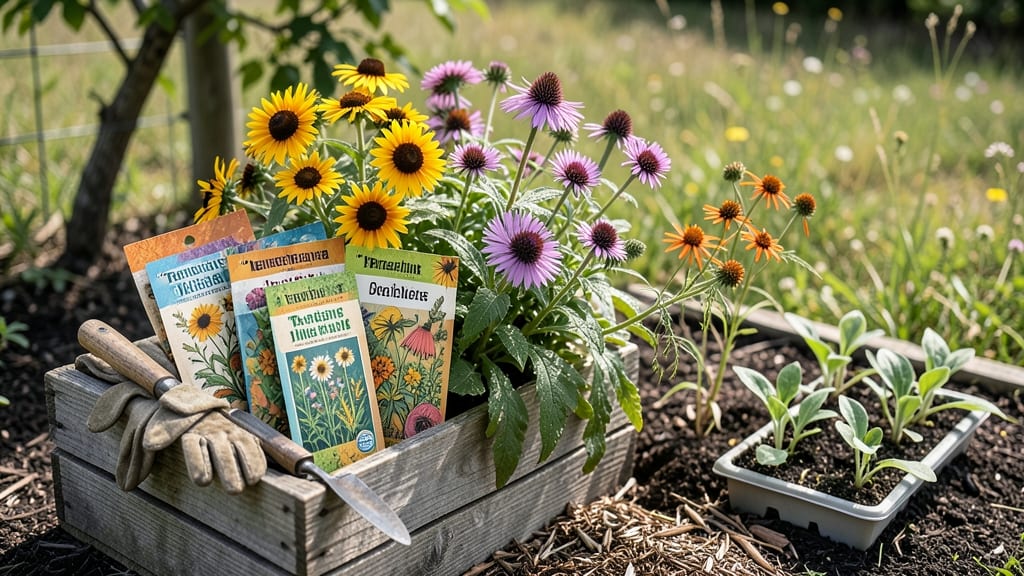
If you’ve ever stared at your 🌱 garden calendar wondering, "When is the best time to plant a garden in Tennessee?"—you’re not alone.
The Volunteer State’s mix of rolling hills, river valleys, and urban heat islands means frost dates can vary by hundreds of miles, and planting too early (or too late) spells disaster for your tomatoes, peppers, or flowers.
Here’s the truth: Tennessee’s USDA Zones 5b–8a demand precision. East Tennessee’s chilly springs clash with West Tennessee’s early summers, while Middle Tennessee sits somewhere in between. Get the timing wrong, and you’ll either watch seedlings freeze or wilt under July’s brutal heat.
But nail it? You’ll enjoy a bountiful harvest with minimal pest battles.
I’ve dug into Tennessee Extension data and talked to local farmers to break it down for you—month by month, zone by zone. Whether you’re sowing cool-loving lettuce in March or heat-tolerant okra in June, this guide cuts through the guesswork. Let’s get your garden thriving the right way.
Ready to skip the trial-and-error? We’ll cover frost dates, soil temps, and the exact weeks to plant everything from broccoli to zinnias—so you can finally stop second-guessing and start growing with confidence.
Tennessee’s frost zones & critical planting dates by month
Tennessee spans USDA Hardiness Zones 5b to 8a, meaning your planting schedule depends heavily on whether you’re in the cooler East Tennessee mountains or the warmer West Tennessee plains.
For example, Chattanooga (Zone 7a) has a last spring frost around April 15, while Memphis (Zone 8a) might see frost as late as March 1—but can plant heat-loving crops like okra in May.
To simplify, I’ve broken down the critical frost dates by region and month, so you can align your planting with Tennessee’s 140–200 frost-free days. Pro tip: Use the 10-day rule—wait 10 days after your average last frost to plant frost-sensitive crops like tomatoes or peppers.
Here’s your region-specific planting timeline, including spring, summer, and fall windows for vegetables, flowers, and perennials:
| Region | Last Spring Frost | First Fall Frost | Best Spring Planting | Summer Planting | Fall Planting |
|---|---|---|---|---|---|
| East TN (e.g., Knoxville, Zone 6b) | April 20–May 5 | October 15–20 | Peas, spinach, broccoli (March–April) | Okra, sweet potatoes (June–July) | Kale, carrots, radishes (August–September) |
| Middle TN (e.g., Nashville, Zone 7a) | April 1–15 | October 25–November 5 | Lettuce, tomatoes, peppers (April–May) | Cucumbers, beans (May–June) | Turnips, garlic, onions (September) |
| West TN (e.g., Memphis, Zone 8a) | March 1–15 | November 10–20 | Tomatoes, peppers, basil (March–April) | Sweet corn, squash (April–May) | Spinach, broccoli, cabbage (September–October) |
For Zone 8a areas like Memphis, you can even plant winter greens (like kale or collards) in late September for a holiday harvest. Meanwhile, Zone 6b gardeners in the mountains should prioritize cold-hardy crops like potatoes and onions in early spring.
Soil temperature matters just as much as air temperature. Use a soil thermometer—most vegetables need soil at 50–60°F to germinate. In Tennessee, this typically aligns with mid-April for cool-season crops and late May for warm-season crops.
Don’t forget perennials and flowers! Many, like daylilies or lavender, can be planted in early spring or fall. But tender perennials (e.g., canna lilies) should wait until after your last frost—usually mid-May in East TN and early April in West TN.
If you’re unsure about your exact frost dates, check the Tennessee State University Extension’s frost calendar or use the Almanac’s Frost/Freeze Tool. These resources provide hyper-localized data based on your ZIP code, accounting for microclimates like valleys or urban heat islands.
For summer planting, focus on heat-tolerant crops like okra, sweet potatoes, and black-eyed peas. These thrive in Tennessee’s 90°F+ summers and can even handle brief droughts once established. Plant these in late May to early June for best results.
Finally, mark your calendar for fall planting. In Tennessee, August and September are ideal for cool-season crops like broccoli, Brussels sprouts, and lettuce. These plants need 60–80 days of cool weather to mature, so time it right to avoid early frost damage.
Top 5 crops to plant in each Tennessee season (and when to Avoid them)
Tennessee’s four distinct seasons mean your garden can thrive year-round if you pick the right crops for each window. I’ve grown everything from cool-season greens to heat-loving peppers in my Nashville garden, and these are the top 5 performers for each season—plus the plants to avoid that’ll just frustrate you.
Spring is all about cool-hardy crops that tolerate Tennessee’s late frosts. Think broccoli, lettuce, and radishes, which I plant as soon as the soil warms to 45°F in March.
But steer clear of tomatoes and basil—they’ll bolt in the chilly air. Even West Tennessee’s Zone 8a can’t handle them until May.
Here’s my seasonal planting cheat sheet based on years of trials (and a few failed experiments). Each crop is timed to Tennessee’s USDA zones 5b–8a, with regional tweaks for East vs. Middle vs. West.
Cool-season stars: Peas, spinach, kale, carrots, onions
⚠️ Avoid: Cucumbers, melons, basil (needs warmth)
Heat-tolerant winners: Tomatoes, peppers, okra, sweet potatoes, zucchini
⚠️ Avoid: Lettuce, spinach, radishes (bolts in heat)
Southern favorites: Southern peas, collards, Swiss chard, eggplant, black-eyed peas
⚠️ Avoid: Broccoli, cabbage, Brussels sprouts (struggle in heat)
Second harvest heroes: Kale, carrots, beets, turnips, garlic
⚠️ Avoid: Cucumbers, squash, basil (needs long growing season)
Cold-hardy picks: Spinach, arugula, onions, leeks, cabbage
⚠️ Avoid: Tomatoes, peppers, beans (won’t survive frost)
Pro tip: Use succession planting for spring/fall crops like lettuce and radishes. Sow new seeds every 2 weeks to keep a steady harvest—this is how I’ve avoided gaps in my kitchen garden for years.
And if you’re in West Tennessee’s Zone 8a, don’t stop planting after Memorial Day. Heat-loving crops like okra and sweet potatoes thrive in July’s swelter.
Remember, Tennessee’s microclimates matter. A valley in East Tennessee might frost a week later than a hilltop in Middle TN. Always check the TN State University Extension frost maps before planting heat-sensitive crops like basil or cucumbers—trust me, you’ll thank me when your seedlings don’t turn to mush overnight.
Now that you’ve got the seasonal lineup, let’s talk about how to stretch your growing season even further—because in Tennessee, every extra week counts. 🌱