
Plants
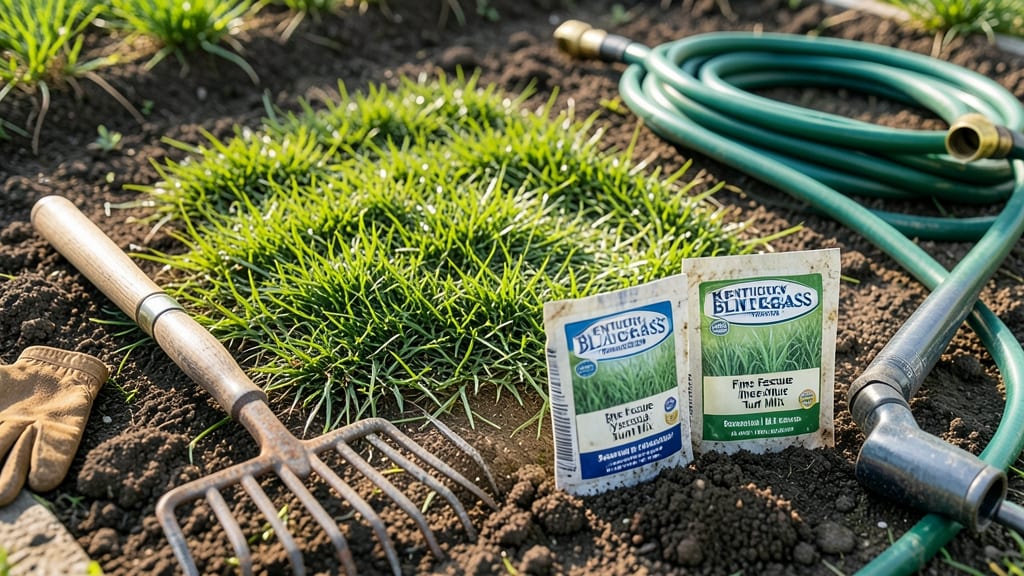
Planting grass seed in Utah isn’t just about timing—it’s about outsmarting the state’s dramatic swings from scorching summers to sudden early frosts. Get it wrong, and your lawn could end up patchy or worse, a failed experiment.
But nail the best window, and you’re looking at a thick, drought-resistant carpet that stands up to Utah’s challenges.
Here’s the secret: Utah’s cool-season grasses (like Kentucky bluegrass and fescue) thrive when planted in late August to mid-September or early April to mid-May. These windows give your grass roots time to establish before extreme heat or winter sets in.
And yes, it’s worth the effort—proper timing means less watering, fewer weeds, and a lawn that actually stays green.
I’ve seen firsthand how a few weeks’ difference can make or break a lawn. Whether you’re in the Wasatch Front or a desert region, the right approach means testing your soil, choosing the right grass type, and watering smartly.
Let’s break down exactly what works in Utah’s USDA Zones 5-7—so you can skip the guesswork and get results.
Ready to transform your yard? You’ll learn how to prep your soil, pick the perfect grass for your microclimate, and avoid the costly mistakes that trip up even experienced gardeners. Let’s get started.
Optimal Utah grass seed planting windows: cool-season vs warm-season rules
Utah’s diverse microclimates—from the Wasatch Front’s cooler valleys to the hotter desert regions—mean planting times vary dramatically. For most Utah lawns, cool-season grasses like Kentucky bluegrass and fine fescue dominate, thriving in fall and spring when temperatures hover between 60-75°F.
Warm-season grasses like Bermuda or Zoysia are rare but prefer late spring to early summer planting.
I’ve planted grass seed in both Salt Lake City and St. George, and the difference is night-and-day. In northern Utah, early September to mid-October is ideal—cooler temps reduce water stress while weeds are still dormant.
Southern Utah’s higher heat means late August to early September is safer to avoid drought-induced seed failure.
Here’s the golden rule: Plant when soil temps are 60-75°F and avoid extreme heat or drought. Utah’s first frost typically hits mid-October, so don’t wait too long in fall. Spring planting should wrap up by mid-May to avoid summer’s scorching sun.
🌱
| Timeframe | Region | Grass Type | Soil Temp | Why It Works |
|---|---|---|---|---|
| Late August - Mid-September | Northern Utah (Salt Lake, Provo) | Kentucky Bluegrass, Fescue | 60-70°F | Cooler temps reduce water loss; weeds dormant. |
| Early September - Early October | Southern Utah (St. George, Cedar City) | Tall Fescue, Buffalograss | 65-75°F | Avoids monsoon heat; drought-resistant varieties. |
| Early April - Mid-May | All Regions | Cool-Season Grasses | 55-65°F | Soil warms gradually; fewer weeds. |
| Avoid | June - August | All | Above 80°F | Extreme heat causes seed desiccation. |
In my Wasatch Front garden, I’ve found that fall planting yields the thickest turf because seeds germinate in cool, moist soil and establish roots before winter. Spring planting is riskier—if you wait too long, summer’s heat will stress young seedlings.
I always test soil temps with a soil thermometer (available at local nurseries) to confirm readiness.
Utah’s elevations also play a role. High-desert areas like Park City (7,000+ ft) can plant 2 weeks earlier than lowland Salt Lake City (4,200 ft). Use the USDA Plant Hardiness Zone Map to adjust timing—most of Utah falls in Zones 5-7, but microclimates vary.
Pro tip: Check the National Weather Service’s 10-day forecast before planting. Utah’s sudden rain or heatwaves can derail germination. I once planted in late May only to watch my seedlings brown out during a 100°F heatwave. Lesson learned—patience is key!
For shade-tolerant lawns (common in Utah’s urban canyons), opt for fine fescue and plant in early fall when shade areas stay consistently moist. Sun-loving Kentucky bluegrass thrives in full sun but needs extra watering in Utah’s dry spells.
💧
Remember: Utah’s drought conditions mean water restrictions can limit planting windows. Always check local watering schedules—some cities prohibit new lawns during peak summer months. When in doubt, fall planting is
How to prepare your Utah lawn for grass seed success: soil, sun, and seed selection
Preparing your Utah lawn for grass seed is half the battle—especially when dealing with the state’s alkaline soils and drought-prone conditions. Skipping soil prep can mean weak germination, weed takeover, or a lawn that struggles to survive Utah’s 100°F+ summers.
My secret? Start with a soil test and focus on three key areas: pH balance, sun exposure, and seed selection.
Utah’s soils often test alkaline (pH 7.5-8.5), which can stunt grass growth. Cool-season grasses like Kentucky bluegrass and tall fescue prefer a pH of 6.0-7.0. If your soil is off, amend it with sulfur or peat moss 4-6 weeks before planting.
For clay-heavy areas (common in the Wasatch Front), mix in compost or sand to improve drainage.
Next, assess your lawn’s sunlight exposure. Utah’s high elevation means intense UV rays, so full-sun areas (6+ hours/day) need drought-tolerant grasses like fine fescue. Shadier spots (under trees or north-facing yards) thrive with shade-tolerant tall fescue.
Use a sunlight map to mark your yard’s microclimates—this ensures you pick the right grass variety for each zone.
| Prep Task | Utah-Specific Tip | Why It Matters |
|---|---|---|
| Soil Test | Use a Utah State University Extension kit (pH + nutrient levels). | Alkaline soils block nutrient uptake; adjust pH 4-6 weeks before planting. |
| Aeration | Rent a core aerator in late summer (before fall planting). | Breaks up compacted clay soil for better seed-to-soil contact. |
| Weed Control | Apply pre-emergent herbicide 2 weeks before seeding. | Prevents crabgrass and other weeds from competing with new grass. |
| Seed Selection | Mix 50% tall fescue + 50% Kentucky bluegrass for Wasatch Front. | Balances drought tolerance (fescue) with recovery speed (bluegrass). |
Don’t overlook weed control—Utah’s dry climate lets weeds like cheatgrass and Russian thistle take over fast. Apply a pre-emergent herbicide 2 weeks before seeding, then switch to a post-emergent like corn gluten meal once grass reaches 3 inches tall.
For stubborn weeds, spot-treat with vinegar-based solutions (avoid glyphosate near new seedlings).
Finally, level the soil in low spots to prevent water pooling (critical in Utah’s monsoon season). Use a rake or garden fork to fill depressions with a mix of topsoil and compost.
For slopes, create contour rows to slow water runoff and encourage even seed distribution. Pro tip: Walk your yard after watering—if puddles linger for hours, you’ve got drainage issues to fix first.
With these steps, your Utah lawn will have the perfect foundation for thick, resilient grass. The key is patience: soil prep takes time, but it’s what separates a so-so lawn from a showstopper that survives Utah’s extremes.
Ready to roll up your sleeves? Grab your tools—we’re about to get this soil ready for seeding! 🌱