
Plants
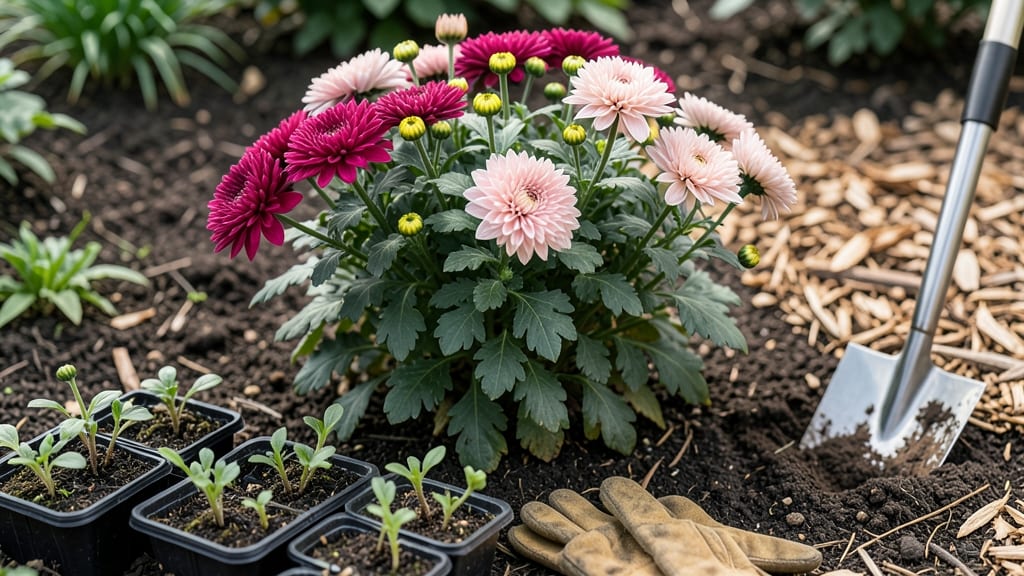
When should you plant mums in the ground? Timing your mum planting just right is the secret to vibrant fall blooms that last until frost. Plant them too early, and you risk leggy, weak stems that flop in the heat. Too late, and those cheerful 🌼 faces might never even open before winter arrives.
For most gardeners in USDA Zone 6a and beyond, the ideal window is late summer to early fall—specifically, 4 to 6 weeks before your first frost date. This gives mums enough time to establish roots while still soaking up sunlight for those signature bursts of color.
But here’s the catch: regional differences matter. Southern climates can plant a little later, while northern zones may need to start earlier. I’ll break down exactly how to adjust based on your location, plus pro tips for soil prep that’ll set your mums up for success.
Skip the guesswork and get it right the first time. With the right timing, your garden will be a nonstop parade of fall color—and you’ll be the neighbor everyone admires for it.
Ideal planting windows for mums by US hardiness zones
Timing your mum planting is the secret to vibrant fall blooms that last until frost. The 4-6 week rule before your first frost date is your golden guideline—plant too early, and you risk leggy, weak plants; too late, and they won’t bloom in time.
Let’s break down the perfect windows by USDA hardiness zones so you can plant with confidence.
Most gardeners in zones 3–7 should aim for late July to mid-August planting. This gives mums enough time to establish roots before cooler weather arrives.
For zones 8–11, where winters are milder, you can extend planting into early September—just ensure they’re in the ground before temperatures drop below 50°F (10°C) at night.
🌼 Pro Tip: Check your local frost date (use the National Weather Service or Old Farmer’s Almanac) and count backward. If you’re in zone 5 with a October 15 frost date, plant between September 1–15.
| USDA Zone | Ideal Planting Window | Soil Temp Goal | Notes |
|---|---|---|---|
| 3–4 | Mid-July to early August | 55–65°F (13–18°C) | Early varieties only; mulch heavily for winter protection. |
| 5–7 | Late July to mid-August | 60–68°F (16–20°C) | Standard timing for most varieties; avoid planting after August 15. |
| 8–9 | Early August to early September | 65–75°F (18–24°C) | Can plant later due to milder winters; choose heat-tolerant varieties. |
| 10–11 | August to early October | 70–80°F (21–27°C) | Tropical varieties thrive; plant until first frost (often November). |
If you’re in a warmer microclimate (like a sheltered south-facing bed), you can push planting dates 1–2 weeks later. Conversely, cooler microclimates (e.g., shaded or high-altitude gardens) may need earlier planting to compensate. Always test soil temperature—mums thrive when soil is between 60–70°F (16–21°C).
For container gardening, the rules are similar, but containers warm up faster. Plant 1–2 weeks earlier than in-ground mums to account for quicker soil cooling. Use black pots to absorb heat and extend the growing season by 5–7 days.
🌡️ Watch Out: If nighttime temps drop below 50°F (10°C) before roots establish (usually 2–3 weeks post-planting), mums may struggle. Use row covers or mulch to insulate roots during early fall chills.
Once you’ve nailed the timing, the next critical step is soil prep. Mums crave well-draining, slightly acidic soil (pH 6.0–6.5).
Amend heavy clay with compost or sand, and mix in a slow-release fertilizer (like 10-10-10) at planting to fuel blooms. Don’t skip this step—poor soil leads to stunted growth and fewer flowers.
💡 Regional Hack: In zone 7b+, where summers are long, plant early-blooming varieties (like ‘Autumn Joy’) in June for early fall color, then follow up with late varieties in August for a prolonged display.
Ideal planting windows for mums by US hardiness zones
Planting mums at the right time ensures they establish roots before winter sets in, giving you those showstopping fall blooms. The general rule is to plant 4 to 6 weeks before your first frost date, but your USDA hardiness zone plays a big role in the exact timing.
For example, gardeners in Zone 3 might start as early as late July, while those in Zone 10 can wait until early October.
Mums thrive in cooler weather, so aim for soil temperatures between 60°F and 70°F. If you plant too early in hot weather, your mums may stretch out and become leggy and weak.
Conversely, planting too late risks frost damage before they even bloom. Let’s break down the best planting windows by zone to help you nail the timing.
🌼 Mum Planting Windows by USDA Zone
| Zone | Ideal Planting Window | Notes |
|---|---|---|
| 3-5 | Late July to mid-August | Early frost dates; plant sooner to avoid winter kill. |
| 6-7 | Mid-August to early September | Classic window for most gardeners; align with first frost date. |
| 8-9 | Late August to mid-September | Warmer climates; plant closer to frost dates. |
| 10-11 | Early to mid-October | Mild winters; plant later for fall blooms. |
If you’re unsure about your first frost date, check the USDA Plant Hardiness Zone Map or use a local gardening app for real-time updates. For Zone 6a, where I garden, I always plant around mid-August to ensure blooms by early October.
Pro tip: Buy potted mums from garden centers—they’re already hardened off and ready to plant!
For gardeners in warmer climates (Zones 8-11), you can even plant mums in early spring for summer blooms, though fall is still the classic choice. Just be mindful of heat stress—mums prefer cooler weather, so avoid planting during summer heatwaves.
Once you’ve picked your planting window, prepare the soil with compost and well-draining mix. Mums hate soggy roots, so amend heavy clay soil with sand or perlite if needed. After planting, water deeply to help roots settle in—this is the first step to long-lasting fall color.
Don’t let timing stress you out. Even if you’re a week early or late, your mums can still thrive with the right care. The key is to give them time to root before frost, and you’ll be rewarded with a garden bursting with 🌼 joy.