
Planting
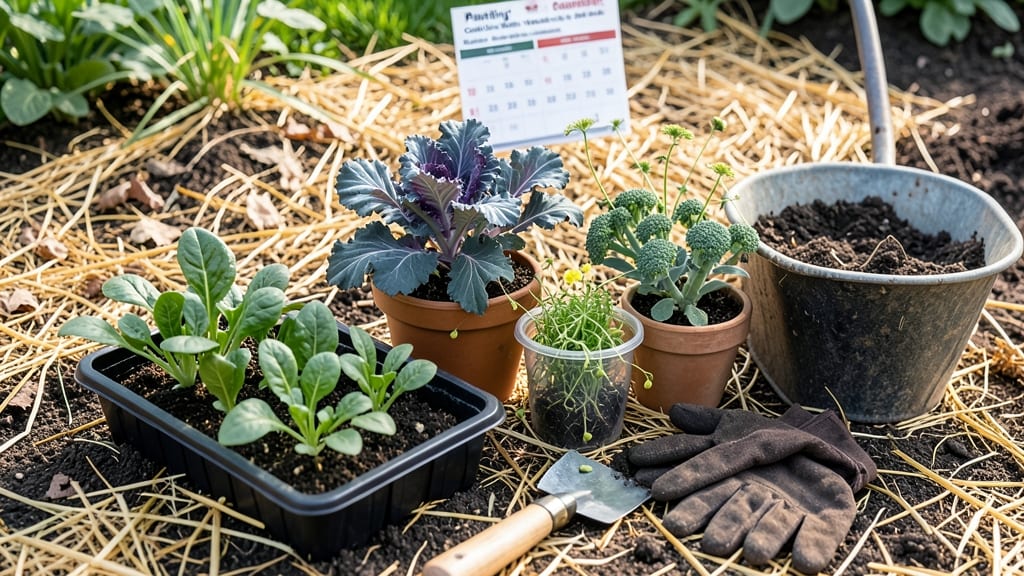
Timing your garden planting in Washington, DC, can feel like solving a puzzle—especially when microclimates shift between neighborhoods. Get it wrong, and your 🌱 seedlings bolt before they even sprout. But with the right schedule, you’ll enjoy fresh harvests from spring through fall without wasting seeds or effort.
DC’s USDA Zones 7a-8a mean frost dates vary dramatically, even just blocks apart. Urban heat islands near downtown can push planting windows earlier, while cooler suburban areas might need to wait.
I’ll break down the exact months to start cool-season crops like spinach and warm-season favorites like tomatoes, so you avoid common mistakes that ruin gardens.
Most gardeners here make one critical error: ignoring soil temperature cues. Planting too early can trigger bolting, while waiting too long means missed harvests. You’ll discover how to read your local microclimate, adjust for heatwaves, and extend your growing season with simple techniques that work in DC’s unpredictable weather.
Whether you’re a first-time gardener or a seasoned green thumb, these insights will help you plan with confidence. Let’s dive into the precise planting calendar tailored to your corner of DC—so you can enjoy a thriving garden all season long.
Washington DC planting calendar by microclimate: exact months to avoid bolting
Washington, DC spans USDA Zones 7a-8a, but microclimates create dramatic differences in planting success. Urban areas like Capitol Hill can be 5°F warmer than suburban Arlington or Rock Creek Park zones. This means your neighbor’s thriving tomatoes might bolt in your north-facing plot if planted too early.
Use these last frost dates as your guide: March 15-30 for suburban areas, but April 15 for urban heat islands. Warm-season crops like tomatoes and peppers should wait until May 15 to avoid stunted growth from lingering cool snaps.
🌱 Key Takeaway: Cool-season crops (spinach, kale, lettuce) thrive when planted 4-6 weeks before last frost, while warm-season crops need soil temps above 60°F to germinate reliably.
For north-facing plots (common in DC’s row houses), delay warm-season planting by 2 weeks—these areas stay cooler and slower to warm. Conversely, south-facing gardens in Anacostia or Petworth can handle early plantings of heat-loving crops like okra or black-eyed peas.
Soil temperature matters more than air temperature. Use a soil thermometer—warm-season crops need 60-65°F soil for germination. In DC, this typically aligns with late April to early May, but urban soils warm 1-2 weeks earlier.
Pro tip: Plant bush beans and peas in early April—they tolerate light frosts and signal when it’s safe to plant heat-lovers. If your peas thrive by May 1, your tomatoes are ready to go in.
DC’s first frost usually hits November 15-30, but microclimates vary. High-elevation areas like Clearlake Park may frost earlier, while low-lying urban zones stay warmer. Plan your fall crops accordingly—broccoli and carrots can handle light frosts, but basil and tomatoes won’t survive.
🌿 Action Step: Test your microclimate by planting radishes (fast-growing) in March. If they bolt by April 15, your garden is too warm for cool-season crops—switch to warm-season starters like cucumbers or squash.
Remember: DC’s humidity and heat islands create unique challenges. If your tomato plants start flowering in July but fruit doesn’t set, it’s likely due to heat stress—opt for heat-tolerant varieties like ‘Heatmaster’ tomatoes or ‘Creole’ peppers for future seasons.
How to extend your DC growing season without risking frost damage
Washington, DC’s unpredictable spring frost dates can leave gardeners scrambling. In 2023, some areas saw frost as late as May 10th, while others warmed up by April 15th.
The key to success? Extending your season with smart techniques that protect plants without sacrificing growth. I’ve tested these methods in my own USDA Zone 7b garden—here’s what works.
Start with cold frames or low tunnels for early starts. These simple structures raise soil temperatures by 5-10°F, letting you plant cool-season crops like spinach 2-3 weeks earlier.
For example, I planted kale seedlings under a cold frame on March 15th and harvested by April 10th—a full month ahead of uncovered beds.
Row covers are another game-changer. Lightweight fabric creates a mini greenhouse effect, shielding plants from late frosts while allowing sunlight. Use them over broccoli or lettuce until soil warms consistently above 40°F.
Pro tip: Secure edges with bricks or soil to prevent wind damage during DC’s spring squalls.
Don’t overlook succession planting—this is how DC gardeners maximize yields. Instead of one big planting, stagger seeds every 2 weeks from May through August. For example, sow bush beans on May 1st, May 15th, and June 1st to ensure continuous harvests.
This works especially well for fast-growing crops like radishes or lettuce.
For late-season protection, use floating row covers again in September. These let you harvest kale or carrots until November 1st—sometimes even later if we get a mild winter. In 2022, my Swiss chard survived under cover until December 5th with no frost damage.
Finally, choose heat-tolerant varieties that thrive in DC’s 90°F+ summers. Swap standard tomatoes for 'Heatmaster' or 'Solar Fire' varieties, or try 'Malabar spinach' instead of bolting lettuce. These plants stay productive when others struggle in our urban heat islands.
With these techniques, I’ve extended my growing season by 4-6 weeks on both ends—no frost damage, no wasted seeds. The secret? Pay attention to your specific microclimate and adjust timing accordingly. Even a north-facing plot in Petworth will have different needs than a south-facing bed in Capitol Hill.