
Plants
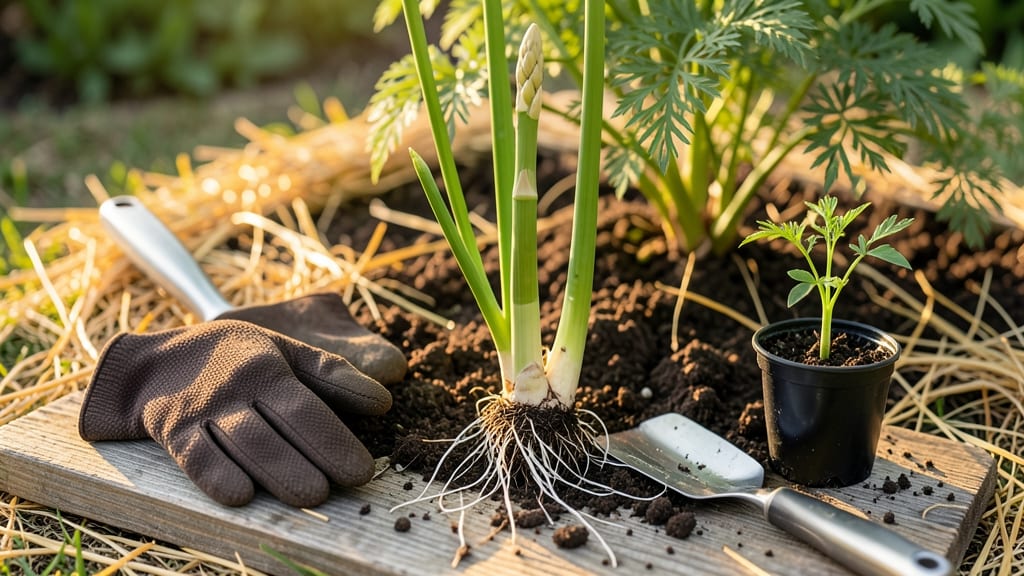
If you're wondering when to plant asparagus in Zone 6, timing is everything—and getting it right means the difference between thick, juicy spears and years of disappointment.
Zone 6’s chilly springs demand precision, but with the right approach, you can beat the clock and enjoy a harvest as early as year three.
Most gardeners in Zone 6 (like 6a) aim to plant 🌱 asparagus crowns 4-6 weeks before the last frost, typically between mid-March and early April. This window balances soil warmth (ideally 40-50°F) with frost-free growing days, giving young roots time to establish before summer heat arrives.
Why does this matter? Asparagus is a perennial that needs patience—it won’t produce spears until year two or three, so every planting decision counts. Skip the guesswork and follow a Zone 6-specific strategy to ensure your crowns thrive, not just survive.
In this guide, I’ll walk you through the exact steps to time your planting, prep your soil, and set up your asparagus for a lifetime of harvests—no more wasted seasons. Let’s get started.
Optimal planting weeks before last frost in Zone 6 for asparagus success
Timing your asparagus planting in Zone 6 is all about beating the last frost while ensuring soil temperatures are right. Aim to plant 4-6 weeks before your average last frost date, typically mid-March to early April.
This window gives crowns time to establish roots before the growing season kicks in.
Zone 6's short growing season means patience is key. Asparagus crowns need soil temperatures between 40-50°F to root properly. If you plant too early, cold soil can stunt growth. Too late, and you’ll miss the optimal window for a strong first-year harvest.
To find your exact last frost date, check the USDA Plant Hardiness Zone Map or local agricultural extension resources. For most of Zone 6, this falls around April 15th, but microclimates can shift this by 1-2 weeks.
For example, in Chicago (Zone 6a), planting in early April ensures crowns have time to root before summer heat arrives. In Raleigh (Zone 6b), late March works better due to milder springs.
Pro tip: Use a soil thermometer to confirm temperatures. If soil is below 40°F, wait another week. Cold soil slows root growth, leading to weak plants that struggle to produce spears in their first year.
Here’s how to calculate your planting window:
- Note your average last frost date (USDA data).
- Subtract 4-6 weeks to find your ideal planting date.
- Adjust for soil temperature—plant only when it’s consistently above 40°F.
| Zone 6 Planting Timeline | Action | Key Notes |
|---|---|---|
| Late February | Prepare soil | Test pH (6.5-7.5), add compost |
| Mid-March | Plant crowns | 4-6 weeks before last frost |
| Early April | Mulch heavily | Retain moisture, suppress weeds |
| May-June | First harvest (Year 2+) | Spears 6-8 inches tall |
Zone 6 gardeners often wonder if fall planting is possible. While it’s risky, you can try planting crowns in late summer (August-September) for a fall harvest. However, roots need time to establish before winter, so this method is less reliable in colder Zone 6 sub-regions.
If you miss the spring window, don’t panic. Asparagus crowns can be planted in early spring of the following year, though you’ll delay your first harvest by another season. The key is consistency—asparagus thrives with patience and proper timing.
Remember, asparagus is a perennial, meaning it’ll reward you for years. A well-timed planting in Zone 6 can yield 15-20 years of harvests if cared for properly. Start with the right timing, and you’re setting yourself up for decades of fresh, homegrown spears.
For extra peace of mind, mark your planting date on a garden calendar. This helps track progress and reminds you to avoid harvesting in the first year—letting foliage grow strengthens the crown for future harvests. 🌱
Optimal planting weeks before last frost in Zone 6 for asparagus success
Timing your asparagus planting in Zone 6 starts with knowing your last frost date. For most of Zone 6 (including 6a), this typically falls between mid-April and early May, but exact dates vary by location.
Planting 4-6 weeks before this date gives your crowns the perfect head start.
For example, if your last frost is April 15, aim to plant between March 15 and March 31. This window ensures soil temperatures reach the ideal 40-50°F range—critical for root establishment without risking frost damage to tender shoots.
| Stage | Action | Zone 6 Timeline |
|---|---|---|
| Soil Prep | Test pH (6.5-7.5), amend with compost | February - Early March |
| Plant Crowns | 6-8" deep, 12-18" apart | Mid-March to Early April |
| First Frost Protection | Use row covers if late frost | April (if frost risk remains) |
To find your exact last frost date, check the USDA Plant Hardiness Zone Map or your local cooperative extension service. For instance, Chicago (Zone 6a) averages its last frost around April 10, while Raleigh (Zone 7a) is slightly later.
Planting too early risks frost damage, while waiting too long delays root growth.
Pro tip: Use a soil thermometer to confirm temperatures—asparagus crowns need consistent warmth to thrive. If soil stays below 40°F, wait another week before planting.
Zone 6’s short growing season means every day counts. By planting in this 4-6 week window, you’ll maximize your asparagus’s early growth and set the stage for year 2-3 harvests—the real payoff for your patience.
Remember, asparagus is a perennial, so proper timing now means decades of harvests with minimal replanting. Don’t rush—precision in these early weeks determines your success.