
Plants
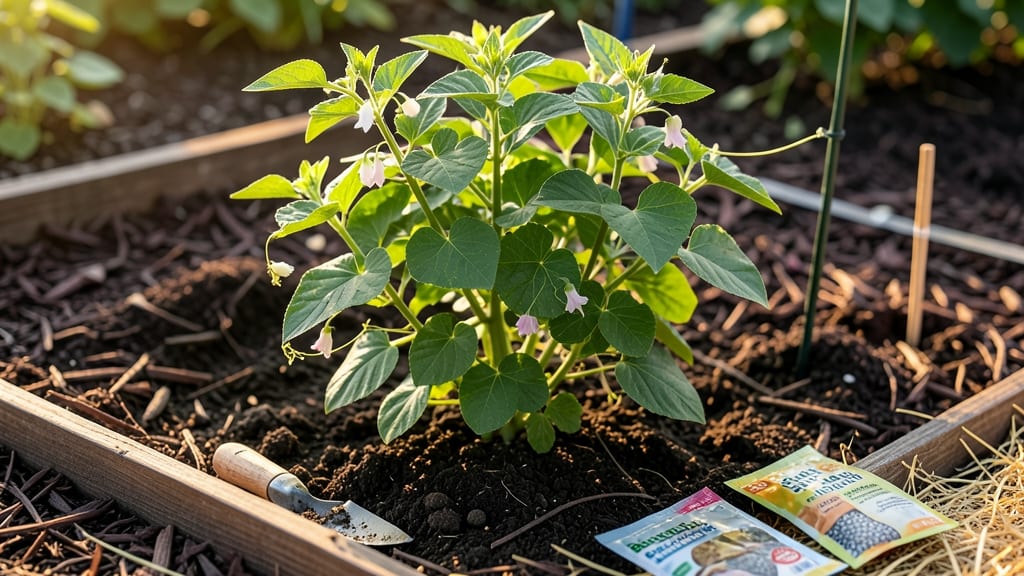
Planting beans in NJ at the wrong time can mean the difference between a bountiful harvest and wasted effort—especially when frost or scorching summer heat threatens your garden.
With New Jersey's 6a-7b climate, timing isn't just about avoiding cold snaps; it's about matching your bean variety to the exact weeks before the last frost (typically April 15) when soil warms to 60°F+.
Whether you're growing pole beans that climb to 6 feet or compact bush beans perfect for containers, getting the schedule right ensures your plants thrive. I'll break down the ideal planting windows—spring and late summer—and share how to adjust for NJ's microclimates, from coastal breezes to inland heat pockets.
Missed the spring window? No problem. Late-summer plantings (August 1-September 15) can still yield beans until October, but only if you follow the right steps. You'll learn how to prep soil, choose heat-tolerant varieties, and use companion plants to boost yields—all tailored to your garden's unique conditions.
Ready to grow beans that produce bushels instead of just a few pods? Let's dive into the precise schedule and pro tips that will transform your NJ garden this season.
NJ bean planting calendar: exact weeks before last frost by bean type
New Jersey’s USDA Zones 6a-7b mean your last frost date typically falls between April 15 and May 10, depending on your county. For beans—which thrive in warm soil (60°F+)—this creates a tight window to avoid frost damage while ensuring heat-loving plants get off to a strong start.
I’ve broken down the optimal planting weeks for pole beans, bush beans, and lima beans so you can align your schedule with NJ’s climate. The key? Plant when soil temps hit 60°F consistently and you’re 3-4 weeks before the last frost for spring plantings.
🌱
| Bean Type | Spring Planting Window (NJ) | Soil Temp Requirement | Days to Maturity | Notes |
|---|---|---|---|---|
| Pole Beans | April 20–May 10 (3–4 weeks before last frost) | 60°F+ | 50–70 days | Vines need trellises; plant after soil warms. |
| Bush Beans | April 25–May 15 (2–3 weeks before last frost) | 60°F+ | 45–60 days | Compact; ideal for small gardens. |
| Lima Beans | May 1–May 15 (after last frost) | 70°F+ | 70–90 days | Heat-loving; wait until soil is warm. |
| Fall Planting (All Types) | August 1–September 15 (90+ days before first frost) | 60°F+ | Same as spring | Use row covers to extend harvest. |
For spring plantings, I recommend starting with pole beans—they mature faster and can handle slightly cooler soil than bush or lima varieties.
If you’re in northern NJ (Zone 6a), aim for April 20–May 1; in southern NJ (Zone 7b), you can push it to May 10–15 without risking frost.
One trick I use? Test soil temps with a soil thermometer—beans won’t germinate well below 60°F. If your soil is still cold by mid-April, consider pre-sprouting seeds indoors (place them between damp paper towels for 2–3 days) before transplanting.
For fall plantings, focus on August 1–September 15. This gives beans enough time to mature before NJ’s first frost (October 31). Use row covers to protect young plants from unexpected chilly nights in September.
🌿
Pro tip: If you’re planting bush beans, they’re more forgiving than pole beans when it comes to timing. Their shorter maturity window (45–60 days) makes them ideal for succession planting—sow a new batch every 2 weeks from April through June for a continuous harvest.
For lima beans, patience is key. These heat-lovers need soil temps above 70°F, so don’t rush them. Wait until mid-May in most of NJ to ensure they thrive.
💧
How to adjust planting for NJ’s microclimates and heat stress risks
New Jersey’s diverse microclimates can shift your bean planting window by 2–3 weeks—coastal areas like Cape May stay cooler longer, while inland spots like Sussex County heat up faster.
If you’re in Zone 6a (north NJ), aim for May 1–15 for spring beans, but Zone 7b (south NJ) gardeners can start as early as April 20 once soil hits 60°F.
Heat stress after Memorial Day is the biggest threat—temperatures above 85°F can stall flowering and reduce pod set. That’s why I recommend heat-tolerant varieties like ‘Rattlesnake’ or ‘Blue Lake’ for late plantings. For coastal gardens, wait until May 10–20 to avoid chilly ocean breezes delaying germination.
🌡️ Pro Tip: Use a soil thermometer—beans won’t germinate well below 60°F, even if frost risk is gone. If your soil warms slowly, try black plastic mulch to speed up heating.
🌡️ Bean Variety Heat Tolerance Ratings (1-10)
| Variety | Heat Tolerance | Best For |
|---|---|---|
| ‘Rattlesnake’ | 9/10 | Late summer plantings |
| ‘Blue Lake’ | 8/10 | Spring & fall |
| ‘Kentucky Wonder’ | 7/10 | Cooler microclimates |
| ‘Lima Bean’ (Fordhook) | 5/10 | Early spring only |
💡 Why it matters: Varieties with 9/10 ratings thrive in 90°F+ heat, while 5/10 types bolt (flower prematurely) if temps rise above 80°F.
For late-summer plantings (August 1–September 15), use 30% shade cloth to protect seedlings from intense afternoon sun. This buys you 2 extra weeks of growth before fall frosts hit. In inland NJ, where heat builds faster, drip irrigation keeps roots cool—beans wilt quickly when soil dries out.
🌿 Warning: Avoid planting beans after September 15 in most of NJ—day lengths shorten, and plants won’t mature before first frost (October 31). If you’re in Zone 7b, you might squeeze in a third planting by August 10, but prioritize heat-tolerant types.
Need a quick fix for heat stress? Mulch heavily with straw to retain moisture and reduce soil temps by 5–10°F. Pair beans with radishes or lettuce—their shallow roots won’t compete for water, and they thrive in the same conditions.