
Plants
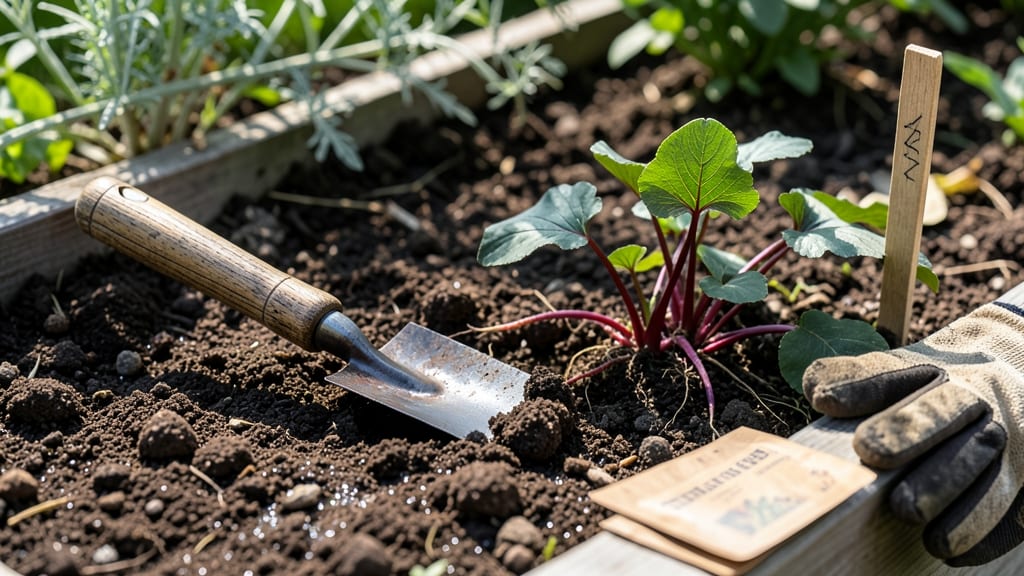
If you’ve ever tried planting beets in Central Florida only to watch them bolt in the heat or rot in the humidity, you’re not alone. The key to success isn’t just luck—it’s knowing the exact months to plant 🍠 for your climate zone.
With 365 frost-free days and scorching summers, Central Florida’s 9a zone demands a different approach than cooler regions. Plant too early, and your beets will bolt before you can harvest.
Too late, and the heat stunts their growth. But with the right timing—September through November and again in February-March—you can enjoy sweet, tender roots all year.
I’ve tested heat-resistant varieties and mastered the art of succession planting to beat Florida’s challenges. Whether you’re a first-time gardener or a seasoned grower, these strategies will help you avoid common pitfalls like bolting and pests while maximizing your harvest.
Let’s dive into the perfect planting schedule, the best varieties for your region, and pro tips to keep your beets thriving—no matter how hot it gets. Your garden (and taste buds) will thank you!
Best planting months for beets in Central Florida’s climate zones
Central Florida’s USDA Zone 9a climate means you can grow beets almost year-round—but timing is key to avoid bolting or stunted growth. Unlike northern gardens, we don’t have to worry about frost, but heat stress and humidity can still derail your harvest.
The best windows focus on cooler months when soil temperatures stay below 80°F for optimal germination and root development.
Your primary planting windows are September through November (fall) and February through March (spring). These months offer mild temperatures and lower humidity, creating ideal conditions for beets to thrive.
Fall plantings give you a harvest before winter’s occasional light frosts, while spring plantings align with Florida’s dry season, reducing fungal risks.
For direct sowing (planting seeds directly in the garden), aim for soil temperatures between 50°F and 75°F.
Use a soil thermometer to check—if it’s above 80°F, your seeds may struggle to germinate or bolt prematurely. Transplanting young seedlings (from seed trays) can extend your window slightly, but beets hate root disturbance, so direct sowing is often better.
Here’s the critical timeline for Central Florida’s beet-growing seasons:
| Season | Planting Window | Soil Temp | Harvest Window | Notes |
|---|---|---|---|---|
| Fall | September–November | 50°F–75°F | November–January | Best for sweetest roots; avoid late November if temps drop below 50°F. |
| Spring | February–March | 60°F–75°F | April–May | Harvest before summer heat sets in; use shade cloth if planting in April. |
| Summer (Risky) | August (shade only) | Below 80°F | September–October | Only attempt with shade cloth and heat-resistant varieties. |
If you’re succession planting (sowing seeds every 2–3 weeks), start your first batch in early September and your last in mid-March. This staggered approach ensures a continuous harvest and reduces the risk of overcrowding or pest pressure.
For example, plant one row in September, another in October, and a final row in November for a harvest that spans three months.
Avoid planting beets in June, July, or early August unless you’re using shade cloth and drip irrigation to keep soil moist and roots cool. Even then, expect slower growth and a higher chance of bolting (when beets flower prematurely and become woody).
The humidity and intense sun during these months stress plants, leading to bitter, small roots.
For container growing, your timing doesn’t change, but you’ll need to water more frequently and choose smaller varieties like ‘Babybeat’ or ‘Little Ball’. Containers heat up faster, so move pots to partial shade during 10 AM–2 PM in summer months to protect seedlings.
Use black plastic mulch to keep soil temps stable and reduce watering needs.
Pro tip: Test your soil before planting—beets prefer a pH of 6.0–7.0. Central Florida’s sandy soils often need compost or aged manure to retain moisture and nutrients.
Amend beds with 2–3 inches of compost 2–3 weeks before sowing for best results. This also helps prevent leaf miner infestations, a common pest in Florida gardens.
Remember, consistent moisture is non-negotiable. Beets are 90% water, and drought stress leads to woody roots. Mulch with straw or wood chips to lock in moisture and keep soil temps cool.
Aim for 1–2 inches of water per week, delivered in the early morning to reduce fungal diseases like leaf spot.
Best planting months for beets in Central Florida’s climate zones
Central Florida’s 9a climate zone offers unique challenges for growing beets, but with the right timing, you can enjoy a year-round harvest. The key is planting during cooler months when soil temperatures stay below 80°F—any hotter, and your beets will bolt or develop woody roots.
Unlike northern regions, Central Florida’s frost-free year-round means you don’t need to worry about spring frost damage. Instead, focus on avoiding summer heat stress (June–August) and humidity-related diseases. The ideal planting windows are September through November for fall harvests and February through March for spring crops.
Here’s a breakdown of the perfect planting schedule, including soil temperature thresholds and harvest timelines tailored to Central Florida’s humid subtropical climate:
| Planting Window | Soil Temp | Harvest Time | Key Tips |
|---|---|---|---|
| September–October | 70–78°F | November–January | Best for fall harvests; use shade cloth if temps rise above 80°F. |
| February–March | 65–75°F | April–May | Avoid planting in late March if heatwave warnings are forecasted. |
| December (light frosts) | 60–70°F | February | Use row covers for protection against rare light frosts. |
For direct sowing, scatter seeds ½ inch deep in rows spaced 12 inches apart. Thin seedlings to 3–4 inches apart once they’re 2 inches tall to prevent overcrowding. In Central Florida’s heat, succession planting every 2–3 weeks ensures a continuous harvest.
If you’re transplanting seedlings, start them indoors 4–6 weeks before your target planting date. Harden them off gradually to avoid transplant shock in Florida’s humid conditions. Always choose heat-tolerant varieties like ‘Boltardy’ or ‘Detroit Dark Red’ for better success.
Pro tip: Monitor your soil temperature with a thermometer—beets thrive when soil stays between 60–75°F. If temps climb above 80°F, provide afternoon shade to prevent bolting. With the right timing and care, you’ll enjoy sweet, tender beets straight from your Central Florida garden! 🌱