
Plants
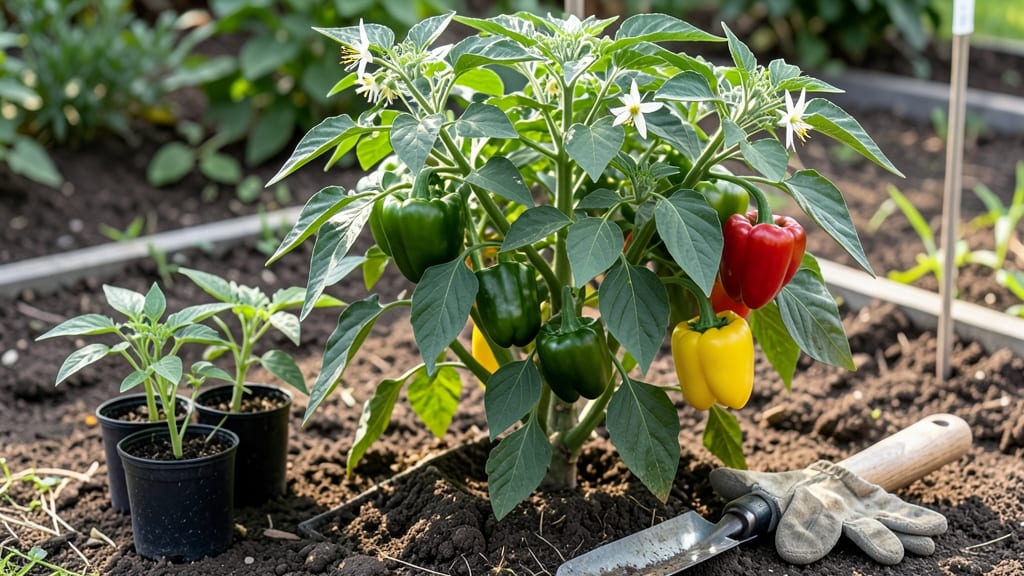
Timing your bell pepper 🌶️ planting in Arkansas isn't just about avoiding frost—it's about catching that sweet spot between late April and early June when the soil warms up and the last frost finally fades away.
Get this wrong, and you're either gambling with tender seedlings or racing against summer's heat to get a harvest before the season ends.
Here's the thing: Arkansas gardeners in zones 7a-8b face unique challenges, from the humid lowlands to the cooler uplands. Whether you're starting seeds indoors or transplanting sturdy seedlings, understanding your local microclimate makes all the difference between a thriving garden and a disappointing one.
I've seen firsthand how a well-timed planting can mean the difference between a handful of peppers and a bushel basket overflowing by July.
The key isn't just knowing when to plant—it's preparing your soil, choosing the right heat-loving varieties, and knowing how to protect your crop when Arkansas' summer heat suddenly spikes.
Let me show you exactly how to nail your planting schedule, from soil prep to variety selection, so you can enjoy homegrown bell peppers from July through October—no guesswork required.
Best planting windows for Arkansas bell peppers: heat zones and frost dates
Arkansas spans USDA Zones 6a-8b, creating distinct planting windows for bell peppers. In northern Arkansas (Zones 6a-7a), like Bentonville or Fayetteville, the last frost typically arrives around April 15-30.
Meanwhile, southern Arkansas (Zones 7b-8b), including Little Rock or Texarkana, sees frost-free conditions as early as March 15-25. These differences mean your planting timeline should shift 2-4 weeks earlier the farther south you garden.
Bell peppers are heat-loving plants that thrive in temperatures above 60°F. Planting too early risks frost damage, while waiting too late may result in peppers maturing just as summer's 90°F+ heat peaks.
The sweet spot? Aim for late April to early June in most of Arkansas, with southern regions able to start slightly earlier.
For a longer harvest season, consider succession planting. Start your first batch of seeds indoors 8-10 weeks before your last frost date, then transplant seedlings outdoors after the frost danger passes.
Follow up with 2-3 more plantings every 2-3 weeks through early June to stagger your harvest from July through October.
Container gardeners in Arkansas can extend their season even further. Use black plastic mulch to warm soil faster and row covers for early starts. In Zone 6a, this can push your planting window back by 2-3 weeks, giving you an earlier harvest.
🌱 Arkansas Bell Pepper Planting Guide by Region
| Region | USDA Zone | Last Frost Date | Ideal Planting Window | Harvest Window |
|---|---|---|---|---|
| North Arkansas (Bentonville, Fayetteville) | 6a-7a | April 15-30 | Late April - Early May | July - September |
| Central Arkansas (Little Rock, Hot Springs) | 7a-7b | April 1-15 | Mid-April - Late April | June - October |
| South Arkansas (El Dorado, Texarkana) | 7b-8b | March 15-25 | Early April - Mid-April | May - November |
💡 Pro Tip: Use a soil thermometer to confirm soil temps are 60°F+ before transplanting seedlings.
If you're growing bell peppers in containers or raised beds, you can push your planting window even earlier. These setups warm up faster and allow for better temperature control. Just ensure your containers have drainage holes and use lightweight potting mix to prevent waterlogging.
For gardeners in Zone 6a, consider using row covers or cold frames to create a microclimate. This can extend your growing season by 3-4 weeks, allowing you to plant as early as mid-March in protected areas.
Always remove covers during the day to prevent overheating and ensure proper pollination.
Monitor your local Arkansas Cooperative Extension Service for real-time frost alerts. Their frost-free date maps are updated annually and account for microclimates that aren't reflected in standard USDA zones. For example, areas near large bodies of water or hills may experience earlier frost-free dates than surrounding regions.
Once you've planted, keep an eye on weather forecasts for any late-season frosts. If a 28°F or lower freeze is predicted after transplanting, cover your seedlings with frost blankets or row covers.
Bell peppers are sensitive to cold, and even a light frost can stunt their growth or kill young plants entirely.
Remember, the key to successful bell pepper growing in Arkansas is balance. Plant too early, and frost will ruin your crop; too late, and summer's heat may prevent proper maturation.
By following your region's specific frost dates and adjusting for microclimates, you'll set your garden up for a bountiful harvest of sweet, juicy peppers all season long.
Soil preparation and heat-loving varieties for Arkansas climates
Arkansas’ red clay and loamy soils can be tricky for bell peppers—too dense, and roots suffocate; too sandy, and they dry out fast. The secret? Amending your soil 4-6 weeks before planting with 3-4 inches of compost or well-rotted manure to improve drainage while retaining moisture.
Aim for a pH between 6.0-6.8, as bell peppers hate acidic soils.
I’ve found that raising beds 6-12 inches high works wonders in Arkansas, especially in heavy clay areas. This improves drainage and warms up faster in spring. If you’re planting in-ground, mix in pearlite or coarse sand to break up compacted soil and encourage root growth.
For heat-loving varieties, Arkansas gardeners swear by ‘Carolina Wonder’ (classic red bell) and ‘Jupiter’ (thick-walled, great for grilling). These handle the state’s 90°F+ summers like champs. Other top picks include ‘Aristotle’ (disease-resistant) and ‘NuMex Sandia’ (sweet, early producer).
When planting, bury seedlings deeper than their pots—up to the first true leaves. This encourages stronger root systems to handle Arkansas’ sudden heat waves. After transplanting, mulch with straw or shredded leaves to keep roots cool and retain moisture during the state’s humid summers.
Pro tip: If you’re in northern Arkansas (Zone 7a), start seeds indoors by March 1 to give them a head start. For southern Arkansas (Zone 8b), you can direct-sow after April 15—just be ready to protect young plants with floating row covers if late frosts sneak in.
Remember, bell peppers hate cold soil. Use a soil thermometer to confirm temps are at least 60°F before planting—any cooler, and roots won’t develop properly. With the right prep, your Arkansas garden will be bursting with homegrown peppers by July!