
Plants
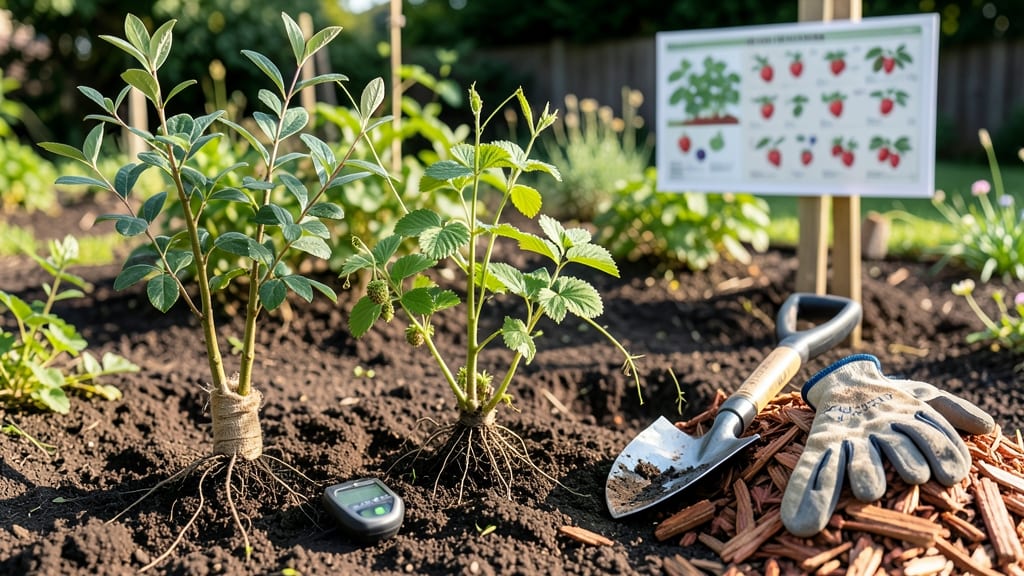
Knowing when to plant berries in Zone 8 can mean the difference between a bountiful harvest of sweet 🫐 or a disappointing season of underperforming bushes. The wrong timing risks frost damage or stunted growth, while the right approach unlocks juicy blackberries, plump raspberries, and blueberries bursting with flavor.
Zone 8 gardeners face unique challenges—mild winters mean some berry varieties need fewer chill hours, while others still demand careful timing to break dormancy. Whether you're planting in late winter or fall, understanding your specific microclimate and variety requirements is the key to success.
In this guide, I’ll break down the best planting windows—from February to March for spring plantings or September to October for fall—plus how to match your berries to their ideal chill-hour needs. You’ll also discover how to protect young plants from unexpected frosts and extend your harvest season.
Ready to grow berries that taste like summer all year round? Let’s get started with the perfect planting schedule for your Zone 8 garden.
Zone 8 berry planting calendar by chill-hour requirements
Zone 8's mild winters mean berries need careful timing to satisfy their chill-hour requirements—the number of hours below 45°F (7°C) they need to break dormancy. Plant too early, and frost burns tender shoots; too late, and summer heat stresses young plants.
My Zone 8 garden thrives when I match varieties to their chill needs, typically 300–1,000 hours, with most berries falling in the 500–800-hour range.
For example, everbearing raspberries like 'Heritage' need 400–600 chill hours, while highbush blueberries like 'Tifblue' require 600–800 hours. Blackberries like 'Natchez' (a low-chill variety) get by with just 300–400 hours.
Understanding these ranges lets you pick the right varieties and plant at the optimal window—late winter to early spring (February–March) or fall (September–October).
Here’s how I break it down: Spring planting (February–March) works for bare-root plants and gives roots time to establish before summer heat. Fall planting (September–October) is ideal for container-grown berries and lets roots settle before winter. Both strategies avoid the last frost date (February 15) in most of Zone 8.
If you’re planting in fall (September–October), focus on container-grown berries like blueberries or raspberries. These establish roots before winter and wake up ready to grow in spring.
For spring planting (February–March), bare-root plants are cheaper and easier to handle, but soak them in water for 2–4 hours before planting to revive roots.
Pro tip: Use mulch (3–4 inches) after planting to insulate roots from temperature swings. In my garden, I use straw or wood chips—they retain moisture and suppress weeds.
For high-chill varieties (800+ hours), like some rabbiteye blueberries, consider microclimate adjustments, such as planting near a south-facing wall to trap heat.
Timing also depends on your local microclimate. Coastal Zone 8 areas (like San Diego) have milder winters, so low-chill varieties (300–400 hours) thrive. Inland areas (like Phoenix) may need fall planting to avoid summer heat stress.
Check your last frost date—most of Zone 8 averages February 15, but elevations or urban heat islands can shift this by 2–3 weeks.
For everbearing varieties (like 'Heritage' raspberries), plant in late winter (February) to ensure they fruit in summer and fall. If you miss that window, fall planting (September) still works for June-bearing strawberries, which need chill hours to set fruit for the next year.
Just avoid planting after October 1, as roots
Zone 8 berry planting calendar by chill-hour requirements
Understanding chill-hour requirements is the secret to growing thriving berries in Zone 8. Unlike colder climates, our mild winters mean many varieties need fewer chill hours (300-500) to break dormancy.
But planting at the wrong time—like too early in February—can expose young plants to late frosts, while waiting too long may delay fruit production.
Most berries in Zone 8 thrive when planted in late winter (February-March) or early fall (September-October). This schedule ensures roots establish before summer heat or winter dormancy. For example, raspberries and blackberries need 400-600 chill hours, while blueberries often require 500-1000 hours—so choosing the right variety is critical.
Here’s your Zone 8 berry planting timeline, broken down by chill-hour needs and ideal months for planting:
| Berry Type | Chill-Hour Needs | Best Planting Months | Notes |
|---|---|---|---|
| Raspberries | 400-600 hours | February-March or September-October | Fall-planted canes fruit next year; spring plantings fruit in 2nd year. |
| Blackberries | 300-500 hours | February-March (avoid late fall) | Low-chill varieties like 'Natchez' thrive; mulch heavily in winter. |
| Blueberries | 500-1000 hours | September-October (spring risk of frost) | Acidic soil (pH 4.5-5.5) is a must; plant in raised beds if needed. |
| Strawberries | 200-500 hours | September-October (everbearing) or February (June-bearing) | Everbearing varieties like 'Albion' produce fall and spring crops. |
For spring plantings, aim to get berries in the ground by mid-March to avoid late frosts. If you prefer fall planting, September is ideal—roots establish before winter, and plants wake up ready to fruit in spring.
Pro tip: Use row covers in late winter to protect tender new growth from unexpected cold snaps.
Remember, soil temperature matters just as much as air temperature. Wait until the ground warms to at least 60°F before planting in spring. In fall, plant 4-6 weeks before your first frost to allow roots to establish without encouraging late-season growth that could freeze.
Now that you’ve got your planting timeline, the next step is choosing the right varieties for your Zone 8 microclimate. Not all berries thrive equally—some handle our mild winters better than others. Stay tuned for my recommendations on the best low-chill berries that still deliver big flavor without fuss! 🌱