
Plants
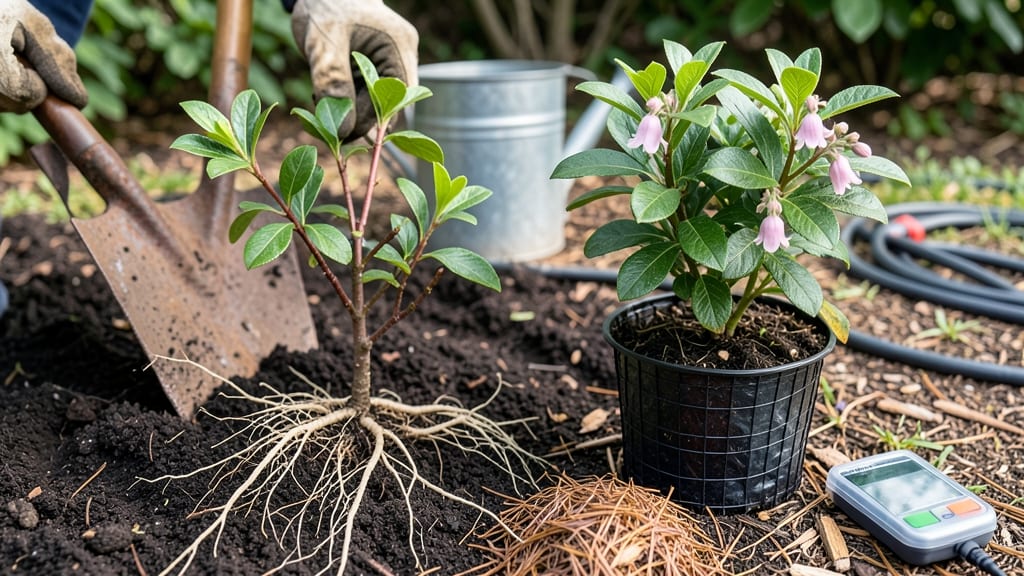
Timing your blueberry planting in Zone 5 can make or break your harvest—get it wrong, and you might end up with stunted bushes or no fruit at all.
The key is planting after the last frost but before summer heat sets in, giving those roots time to establish before winter’s chill.
I’ve seen firsthand how a few weeks too early or late can throw off a blueberry’s growth cycle. In Zone 5, late April to early June is your sweet spot—when soil warms enough to prevent shock but still leaves room for root development before dormancy kicks in.
Whether you’re digging in-ground or prepping containers, this guide breaks down the exact steps to time your planting for success. We’ll cover soil prep, frost dates, and even how to pick the right variety for your region—so you can enjoy those sweet 🫐 berries in just a couple of years.
Ready to avoid common mistakes and set your blueberries up for a bountiful future? Let’s get started with the perfect planting window for your climate.
Optimal planting windows for blueberries in Zone 5: spring vs. fall
Zone 5 gardeners have two prime windows to plant blueberry bushes: late spring (after last frost) and early fall (before ground freezes). Each timing offers unique advantages—spring lets roots establish before summer heat, while fall gives plants a head start on root growth before winter dormancy.
For northern highbush varieties (most common in Zone 5), spring planting is ideal, but rabbiteye varieties (less common in this zone) prefer fall.
In Zone 5, the last average frost date typically falls between April 15 and May 15, depending on your exact location. For example, Michigan leans toward the later end, while New York and Pennsylvania often see frost risks lingering until early May.
Always check your local frost calendar—planting too early risks frost heave, where freezing/thawing cycles lift roots out of the soil.
Fall planting works best from September 15 to October 15, giving roots 6-8 weeks to establish before winter. This timing is especially useful if you’re planting bare-root blueberries, which need cold stratification to break dormancy.
However, avoid planting after October 15—soil temperatures below 40°F can stunt root growth, leaving plants vulnerable to winter stress.
Here’s how the two planting windows compare for Zone 5:
| Factor | Spring Planting (Late April–Early June) | Fall Planting (Mid-Sept–Mid-Oct) |
|---|---|---|
| Best For | Northern highbush varieties; established root growth before summer | Bare-root plants; cold stratification for dormancy |
| Soil Temp | 50–60°F (ideal for root establishment) | 40–50°F (roots grow slowly but safely) |
| Watering Needs | High (summer drought risk) | Moderate (soil retains moisture longer) |
| Frost Risk | Low (after last frost) | High (plant before hard freeze) |
| First Fruit | Year 3–4 (slower initial growth) | Year 2–3 (faster dormancy adaptation) |
| Zone 5 Regions | Best for Michigan, PA, NY (late frost areas) | Ideal for all Zone 5 (avoids summer heat stress) |
For Michigan gardeners, aim for May 1–June 1—this pushes planting past the state’s average last frost (May 10–20). In New York and Pennsylvania, where frosts can linger into early May, hold off until May 15–June 1.
If you’re in a microclimate (like a sheltered valley), you might plant 1–2 weeks earlier than the regional average.
Fall planting is my top recommendation for container-grown blueberries—these plants handle transplant shock better than bare-root varieties. If you choose fall, mulch heavily (3–4 inches of pine straw or wood chips) to insulate roots from temperature swings.
Avoid fall planting if your soil stays above 50°F into November—roots won’t establish properly.
Pro tip: Acid-loving blueberries thrive in Zone 5’s cooler soils, but their roots need time to adapt. Whether you plant in spring or fall, amend the soil with peat moss or sulfur to maintain a pH of 4.5–5.5.
Test your soil before planting—lime-rich soils will choke out your blueberries faster than frost will.
🌱
How to calculate your Zone 5 last frost date & chill hours
Determining your last frost date and chill hours is the secret to planting blueberries at the perfect time in Zone 5. These two factors directly impact whether your bushes survive their first winter and thrive in subsequent years. Without accurate timing, you risk frost damage or poor fruit production.
First, find your last frost date using the USDA’s Plant Hardiness Zone Map. In Zone 5, this typically falls between mid-April and early May, but local microclimates can shift this by 1-2 weeks.
For example, areas near large bodies of water (like Michigan’s Great Lakes) may experience later frosts, while inland regions (like Pennsylvania) often warm up faster.
Next, calculate chill hours, which measure the number of hours below 45°F (7°C) your blueberries need to set buds. Most Zone 5 varieties require 600-900 chill hours.
Northern highbush types (like Bluecrop) thrive with 700+ chill hours, while rabbiteye varieties (less common in Zone 5) need 500-600 hours. Use a weather station or local agricultural extension service to track these hours.
Here’s how to adjust your planting timeline based on these factors: If your last frost is late (early May), aim for early June planting. If it’s early (mid-April), you can plant as soon as the soil warms to 40°F (4°C).
Always plant 4-6 weeks before your first expected frost to allow roots to establish before winter dormancy.
🌡️ Step-by-Step Guide to Timing Your Planting
- Step 1: Check your last frost date (USDA map or local records). Zone 5 average: mid-April to early May.
- Step 2: Verify your chill hours (600-900 for Zone 5 varieties). Use a weather app or extension service.
- Step 3: Plant 2-4 weeks after last frost when soil reaches 40°F (4°C).
- Step 4: For fall planting, choose late August to early September—roots must establish before first frost (mid-October in Zone 5).
- Step 5: Adjust for microclimates: Slopes warm faster; valleys stay cooler longer.
Pro tip: Use a soil thermometer to confirm soil temperature—blueberries hate soggy, cold roots. If your soil stays below 40°F (4°C) for more than a week after your last frost, wait another week to plant. Patience here prevents root rot and ensures strong establishment.
For container growers, timing is even more critical. Since pots warm up faster, you can plant 1-2 weeks earlier than in-ground bushes. Just ensure your containers have drainage holes and use a lightweight potting mix to prevent waterlogging during cool springs.
Remember: The goal is to give your blueberries 6-8 weeks of root growth before winter dormancy. Whether you’re planting in spring or fall, this timeline sets the stage for a fruitful harvest in just 2-3 years. 🌱