
Plants
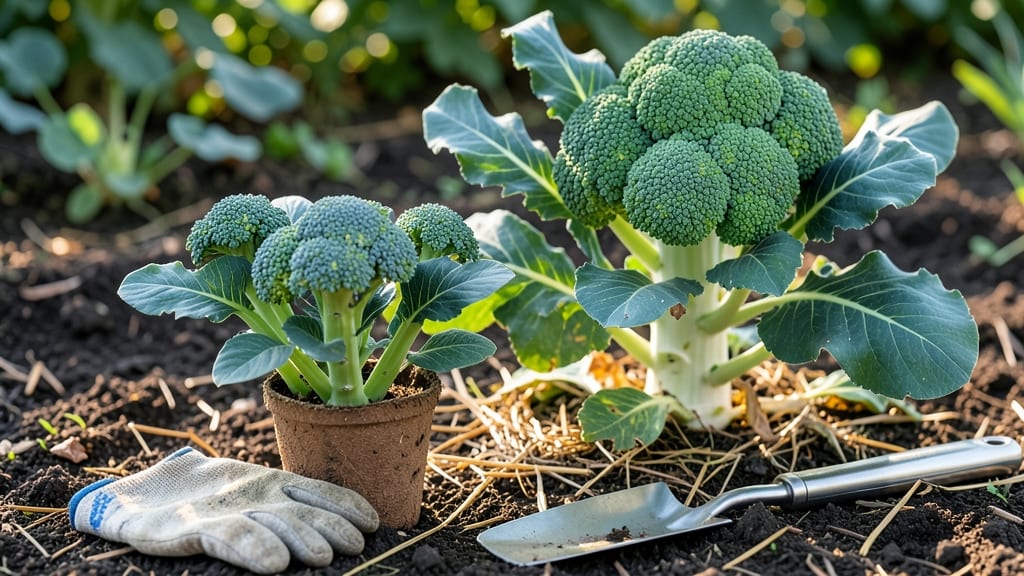
Timing your 🥦 broccoli planting in South Carolina can mean the difference between a bountiful harvest and a wasted effort.
If you plant too early, frost will nip your seedlings in the bud, while waiting too long risks bolting—turning your tender heads into bitter stalks before you even get a chance to enjoy them.
The key to success lies in understanding your local climate and soil temperatures. In USDA Zones 7b-8a, like most of South Carolina, the ideal window opens in early spring (February-March) and again in late summer (August-September).
But here’s the catch: your soil needs to be at least 50°F for seeds to germinate and 60-70°F for steady growth.
I’ve grown broccoli in South Carolina for years, and I’ve learned that fall planting often yields the sweetest results—just avoid the summer heat, which can stress your plants.
Whether you’re a seasoned gardener or just starting, these exact soil temperature guidelines will help you plan like a pro and avoid common mistakes.
Let’s break down the best months to plant, how to adjust for your specific region, and which varieties perform best in South Carolina’s humid climate. By the end, you’ll know exactly when to put those seeds in the ground for a harvest that’ll make your neighbors jealous.
Best planting windows for broccoli in South Carolina (by region & soil temp)
South Carolina’s three distinct regions—Upstate, Midlands, and Coastal—each have unique frost dates and soil temperature patterns that dictate when to plant broccoli. Miss these windows, and you’ll risk frost damage or bolting before harvest. Let’s break it down by region so you can plant with confidence.
Broccoli thrives when soil temps hover between 50-60°F for germination and 60-70°F for steady growth. In SC, this means focusing on early spring (February-March) and fall (August-September) plantings. Summer heat will send your broccoli bolting faster than you can say “pesticide.”
Here’s your region-specific planting guide, including frost dates and ideal soil temps to maximize yields:
| Region | Last Frost Date | First Frost Date | Ideal Planting Months | Soil Temp for Germination | Harvest Window |
|---|---|---|---|---|---|
| Upstate (Greenville, Spartanburg) | Mid-March | Late October | February-March, August-September | 50-55°F | April-May, October-November |
| Midlands (Columbia, Charleston) | Early March | Mid-November | February-March, August-September | 52-58°F | April-May, October-November |
| Coastal (Myrtle Beach, Hilton Head) | Late February | Early November | March-April, September | 55-60°F | May-June, October |
Notice how the Coastal region has a later last frost and earlier first frost? That’s why you can plant as late as April there, while Upstate gardeners should stick to February-March to avoid early spring freezes. Always check your local USDA Zone 7b-8a for precise dates.
For fall plantings, aim to sow seeds 90 days before your first frost. In the Upstate, that’s late August, while Coastal gardeners can push it to early September. Use a soil thermometer to confirm temps are 60°F or warmer before planting.
Pro tip: If your soil is still cold, start broccoli indoors 4-6 weeks before transplanting outdoors. Use grow lights to maintain strong seedlings until temps rise. Weak seedlings struggle in SC’s humid heat once transplanted.
Bolting is the #1 enemy of SC broccoli growers. To prevent it, avoid planting during summer months (June-July) when temps exceed 80°F. Instead, focus on cool-season windows where broccoli can mature without stress.
Once you’ve locked in your planting window, prep your soil with compost and aged manure to ensure nutrient-rich conditions. Broccoli is a heavy feeder, and SC’s sandy soils often need amendments to retain moisture and fertility.
Ready to plant? Grab your seed-starting mix and soil thermometer—your first broccoli heads could be ready in as little as 60 days if conditions are perfect! 🥦
Best planting windows for broccoli in South Carolina (by region & soil temp)
South Carolina’s three distinct regions—Upstate, Midlands, and Coastal—each have unique microclimates that affect when you should plant 🥦 broccoli. The Upstate (Zone 7b) has cooler springs, while the Coastal Lowcountry (Zone 8a) stays warmer longer. Understanding these differences helps you avoid frost damage or bolting due to heat.
For all regions, soil temperature is your best guide. Broccoli seeds need 50-60°F soil to germinate, and plants thrive best in 60-70°F soil. Use a soil thermometer to check—it’s the only reliable way to time your planting perfectly.
| Region | Ideal Planting Months | Soil Temp for Germination | Soil Temp for Growth | Last Frost Date |
|---|---|---|---|---|
| Upstate (Zone 7b) | February–March (Spring) / August (Fall) | 50–60°F | 60–70°F | Mid-March |
| Midlands (Zone 7b-8a) | January–March (Spring) / August–September (Fall) | 50–60°F | 60–70°F | Late February–Early March |
| Coastal Lowcountry (Zone 8a) | December–February (Spring) / September (Fall) | 55–60°F | 65–75°F | Early March |
In the Upstate, aim for February–March planting to beat frost, while the Midlands offers a slightly longer window. The Coastal region can start as early as December, but avoid summer heat—broccoli bolts quickly when temperatures exceed 80°F.
For fall harvests, plant in August–September (Upstate/Midlands) or September (Coastal). Use shade cloth if summer lingers, as even 75°F soil can stress seedlings. I’ve found that succession planting every 2 weeks in spring and 3 weeks in fall keeps harvests coming.
Pro tip: Transplant seedlings instead of direct-sowing in spring if nights are still chilly. Hardened-off starts at 4–6 weeks old handle temperature swings better. Just be sure to harden them off for 7–10 days before planting!
Timing isn’t just about months—it’s about soil temps. Use a soil thermometer to confirm readiness, and you’ll avoid the two biggest mistakes: frost-killed seedlings or bitter, bolted broccoli. Next, we’ll cover how to adjust for South Carolina’s tricky microclimates and extend your growing season like a pro. 🌱