
Plants
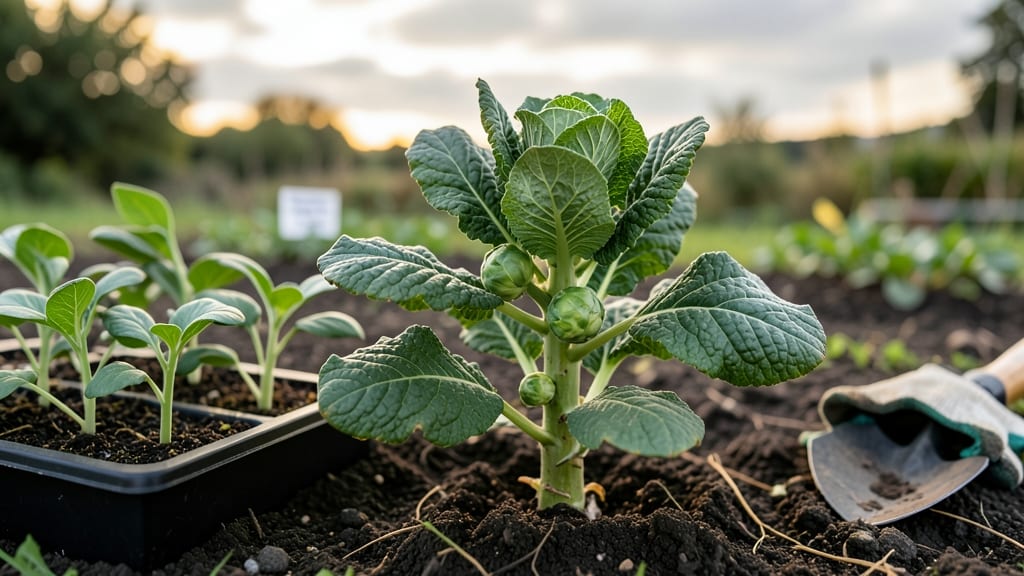
If you're dreaming of a bountiful harvest of crisp, flavorful 🥦 Brussel sprouts in Zone 8, when to plant them is the secret ingredient that makes or breaks your success. Planting these cool-weather lovers at the wrong time can leave you with bitter disappointment—or worse, no harvest at all.
Zone 8 gardeners face a unique challenge: the heat of summer and the short window between frost dates. But don't worry—I've got the exact planting windows and soil temperature triggers that'll help you grow strong, productive plants.
Whether you're a first-time gardener or a seasoned pro, these tips will ensure your 🥦 Brussel sprouts thrive when it matters most.
Most gardeners in Zone 8 plant their 🥦 Brussel sprouts in early fall, but there's actually a second chance in late winter if you play your cards right.
I'll break down the best times to start seeds or transplants, plus how to protect your plants from heat stress during those tricky summer months. Let's get your garden on the fast track to a harvest that'll make your taste buds dance.
Ready to grow 🥦 Brussel sprouts that are sweeter than store-bought and packed with flavor? The key is knowing when to plant—and I'm about to share all the insider tips you need to succeed in Zone 8. Let's dig in!
Optimal planting windows for Brussel sprouts in Zone 8 by soil temperature
Brussel sprouts love cool weather, but in Zone 8, the key to success is planting when soil temperatures dip below 60°F. This ensures strong seedlings and prevents heat stress. The best windows are late summer (August-September) for fall harvests or late winter (February-March) for spring crops.
In Zone 8, the first frost typically arrives around mid-January, so timing is critical. Planting 8-10 weeks before frost (late August) gives sprouts enough time to mature before cold sets in. For spring harvests, aim for 6-8 weeks before last frost (early February).
Soil temperature is your best guide. Use a soil thermometer to confirm readings between 50-60°F before planting. Cooler soils prevent bolting (premature flowering) and encourage robust growth. If your soil stays above 70°F, seedlings will struggle.
| Planting Window | Soil Temp | Season | Days to Harvest |
|---|---|---|---|
| Late August - Early September | 50-60°F | Fall | 90-120 days |
| Late February - Early March | 55-60°F | Spring | 80-100 days |
| July (with shade) | Below 70°F | Late Summer | 100-120 days |
*Adjust timing based on your specific Zone 8 sub-region (e.g., 8a vs. 8b).
For fall plantings, start seeds indoors 6-8 weeks before transplanting (around July 1). Harden off seedlings for 10-14 days before moving them outdoors. In Zone 8, this means transplanting by mid-August to avoid heat stress.
If you miss the fall window, consider spring plantings in February. Use row covers to protect young plants from late frosts. Remember: Brussels sprouts need 60-70 days of cool weather after transplanting to form buds properly.
Soil preparation is just as important as timing. Amend your garden bed with compost and aged manure to improve drainage and fertility. Brussels sprouts prefer slightly acidic soil (pH 6.0-7.0). Test your soil in early summer to make adjustments before planting.
In Zone 8b (warmer sub-zone), you can push the fall window slightly later—into early September. However, avoid planting after mid-September, as sprouts may not mature before frost. Use shade cloth (30-50%) if planting in late summer to protect seedlings from heat.
Pro tip: Mark your calendar for 8-10 weeks before your average first frost date. This ensures your Brussels sprouts reach maturity before cold weather sets in. In Zone 8, that’s typically mid-November for a successful harvest.
Always monitor weather forecasts. Unexpected heat waves or early frosts can disrupt your planting schedule. Flexibility is key—adjust your timeline based on real-time conditions rather than rigid deadlines.
How to extend the growing season for Brussel sprouts in hot Zone 8 summers
Zone 8 summers can be brutal for Brussel sprouts, which thrive in cooler temperatures. If you're planting in late summer (July-August), you'll need strategies to shield seedlings from heat stress. The key is creating a microclimate that mimics their ideal growing conditions while protecting them from extreme heat.
Start by choosing shade cloth (30-50%) to block intense sunlight. This reduces soil and air temperatures by 10-15°F, preventing bolting (premature flowering). Install the cloth immediately after transplanting and remove it as temperatures drop in early fall.
Another game-changer is mulching with straw or wood chips. A 3-4 inch layer keeps soil cool, retains moisture, and suppresses weeds. Apply mulch 2-3 weeks after transplanting when seedlings are established. Avoid piling mulch against stems to prevent rot.
Brussel sprouts planted in soil above 70°F will bolt (flower prematurely) or develop bitter flavors. Monitor soil temps daily with a thermometer—aim for 60-65°F for optimal growth.
If temps exceed 80°F, provide drip irrigation to keep roots cool and use reflective mulch (like aluminum foil) to deflect heat.
For late summer plantings, consider companion planting with tall crops like sunflowers or corn. These act as natural shade, reducing heat exposure to your sprouts. Plant companions 12-18 inches away to avoid competition for nutrients.
Watering is critical during summer months. Use drip irrigation set to run early morning (5-7 AM) to keep soil consistently moist. Avoid overhead watering, which can promote fungal diseases like downy mildew. Aim for 1-1.5 inches of water per week, adjusting for rainfall.
If you're pushing the envelope with July plantings, opt for fast-maturing varieties like 'Long Island Improved' (85 days) or 'Ruby Ball' (90 days). These handle heat slightly better than slower varieties. Pair them with row covers for extra protection during heatwaves.
Finally, rotate crops annually to prevent soil-borne diseases. Brussels sprouts are heavy feeders and deplete nutrients quickly. After harvest, add compost or aged manure to replenish the soil for next year's plantings.