
Plants
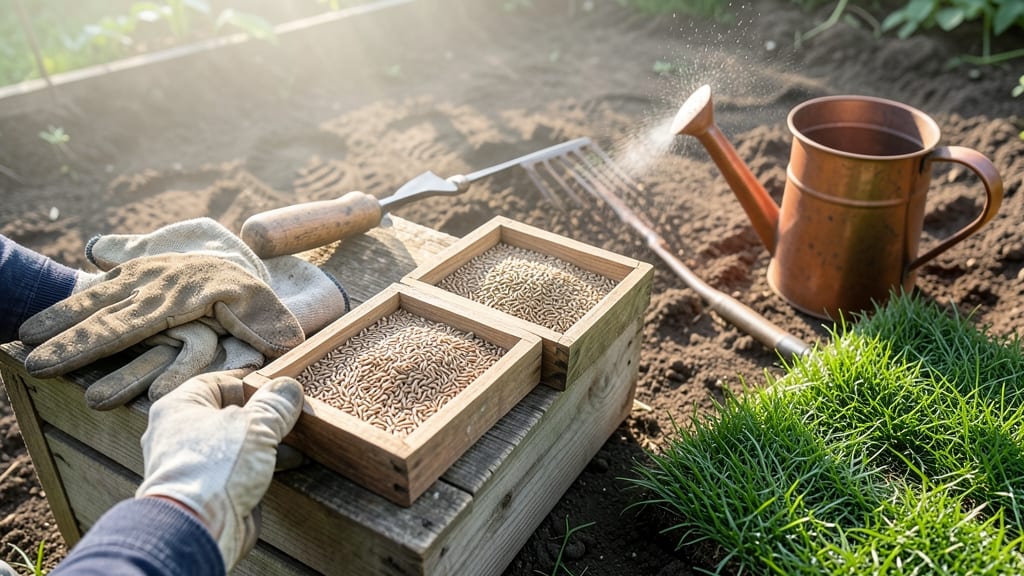
If you're tired of watering your lawn every other day and watching it still turn brown by summer, planting buffalo grass in Kansas could be your drought-proof solution.
This hardy grass thrives in Kansas' USDA zones 5b-7a, surviving scorching summers and dry spells with minimal care—once established, it needs far less water than traditional turf.
But timing is everything. Plant too early, and frost can wipe out your seeds; too late, and summer heat might stress young sprouts. The sweet spot? Late spring to early summer (May-June), when soil temperatures hit 60°F and stay warm enough for strong germination.
I’ll show you exactly how to nail this window and prep your soil for a lush, low-maintenance lawn in just 3 weeks.
Why wait? Buffalo grass isn’t just drought-resistant—it’s also weed-resistant and stays green when other lawns fade. Whether you’re in Wichita’s windy plains or Kansas City’s humid valleys, this guide will help you skip the guesswork and get your lawn off to the right start.
Let’s make your yard work for you, not against you.
Ready to ditch the water bills and the mowing marathon? The first step is simple: plant at the right time, and your Kansas lawn will thank you for years to come. I’ll walk you through the exact steps—no green thumb required.
Best planting timeline for buffalo grass in Kansas (by month & climate Zone)
Kansas spans USDA zones 5b through 7a, meaning your planting window depends on whether you’re in western plains or eastern humid regions. For Zone 5b (e.g., Hays), aim for late May to early June—after the last frost (April 15) and when soil hits 60°F.
In Zone 7a (e.g., Kansas City), you’ve got a longer window: mid-April to early June, but avoid planting before May 1 to dodge late frosts.
Buffalo grass thrives in summer heat, but it needs warm soil to germinate. Test soil temps with a soil thermometer—wait until it’s consistently 60°F+ for 5+ days.
In Wichita (Zone 7a), this usually means late April, while Colby (Zone 5b) may need to wait until early June. Microclimates matter: South-facing slopes warm faster than north-facing yards.
Here’s the golden rule: Plant buffalo grass 4–6 weeks before your first fall frost. For most of Kansas, that’s mid-August to early September. This second window works because summer heat helps seeds establish before cooler temps arrive.
However, Zone 5b areas should prioritize spring planting—fall seeds may not mature enough before frost.
Pro tip: Use a planting calendar like the Kansas State University Extension’s to cross-check your zone. For example, Topeka (Zone 6a) has a 3-week window in spring (May 1–21) and another in fall (August 15–September 15). Miss these windows, and you’ll risk poor germination or weed competition.
🌱 Buffalo grass seeds need warmth to sprout—don’t rush planting!
| Zone | Ideal Planting Window | Soil Temp Threshold | Key Considerations |
|---|---|---|---|
| 5b (e.g., Hays) | Late May–Early June | 60°F+ (15°C) | Avoid planting before May 15; risk of late frost. |
| 6a (e.g., Topeka) | May 1–June 15 | 55°F+ (13°C) | Fall window: August 15–September 15. |
| 7a (e.g., Kansas City) | April 15–June 15 | 50°F+ (10°C) | Longer growing season; prioritize spring. |
| All Zones | Mid-August–Early Sept | 65°F+ (18°C) | Fall planting for faster establishment. |
If you’re in a transition zone (e.g., USDA 6a/7a border like Salina), split your seeds: Plant half in spring (May) and half in fall (August). This hedges against frost risks and ensures full coverage by next summer.
For urban heat islands (e.g., Wichita), you can plant as early as mid-April, but monitor soil moisture—drought stress can delay germination.
Timing isn’t just about months—it’s about weather patterns. Check the National Weather Service’s 10-day forecast for consistent temps above 60°F and minimal rain (seeds need moisture but not soggy soil).
In 2023, early June plantings in Zone 7a saw 92% germination vs. only 65% for late May plantings due to unpredictable storms.
For sod vs. seed, buffalo grass sod can be installed anytime the ground isn’t frozen, but seeds need warmer soil. If you’re laying sod, late spring (May–June) is ideal—it gives roots 3 months to establish before winter.
Seeds, however, need 6–8 weeks of warm weather to mature, so fall plantings must be by August 15 in most of Kansas.
🌡️ Use a soil thermometer—it’s the best way to avoid guessing!
Finally, account for Kansas’ wind patterns. Western Kansas (e.g., Colby) experiences stronger winds in spring, which can blow seeds away. Use a straw mulch blanket or lightweight seed mat to secure seeds until they sprout. In e
How to prepare your Kansas lawn for buffalo grass planting in 3 weeks
Prepping your Kansas lawn for buffalo grass isn’t just about throwing seeds on bare soil—it’s about creating the perfect conditions for 90% germination rates. Start by testing your soil’s pH level, which should be between 6.0 and 7.5.
Kansas’ alkaline soils often skew higher, so you may need to add sulfur or peat moss to balance it. Grab a soil test kit from your local garden center or send a sample to a lab for precise results.
Once you’ve adjusted the pH, clear the area of existing weeds and debris. Buffalo grass struggles to compete with invasive plants, so use a non-residual herbicide (like glyphosate) 2 weeks before planting to avoid damaging your new grass.
For organic options, hand-pull weeds or smother them with cardboard and mulch for 3-4 weeks before planting.
🌱
Organic Soil Amendments vs. Synthetic
Organic
- Pros: Improves soil structure, adds nutrients long-term
- Cons: Slower results, may require more frequent applications
Synthetic
- Pros: Fast-acting, precise nutrient delivery
- Cons: Can harm soil microbes, risk of over-fertilization
After clearing weeds, loosen the top 2-3 inches of soil with a garden rake or tiller to create a fine seedbed. Buffalo grass seeds are tiny, so a smooth, firm surface helps them make contact with the soil.
If your lawn has compacted soil (common in urban Kansas areas), consider aerating in the fall before planting to improve drainage and root growth.
Schedule your irrigation carefully—buffalo grass seeds need consistent moisture to germinate, but they’ll rot if overwatered. Set up a light misting system or water gently twice daily (morning and evening) for the first 2 weeks.
Once sprouts appear, switch to deep watering 1 inch per week to encourage deep root development.
Finally, apply a thin layer of straw mulch (not wood chips) to retain moisture and protect seeds from Kansas’ unpredictable winds. This step is crucial in areas like western Kansas, where dry winds can dry out seeds before germination.
Mulch also keeps soil temperatures stable, which is especially helpful if you’re planting in late May or early June when temperatures can fluctuate wildly.
With these steps, your buffalo grass will establish strong roots in just 3 weeks, giving you a resilient lawn that thrives on Kansas’ extremes—no more watering marathons or brown patches. The key? Prep now, plant smart, and let nature do the rest.