
Plants
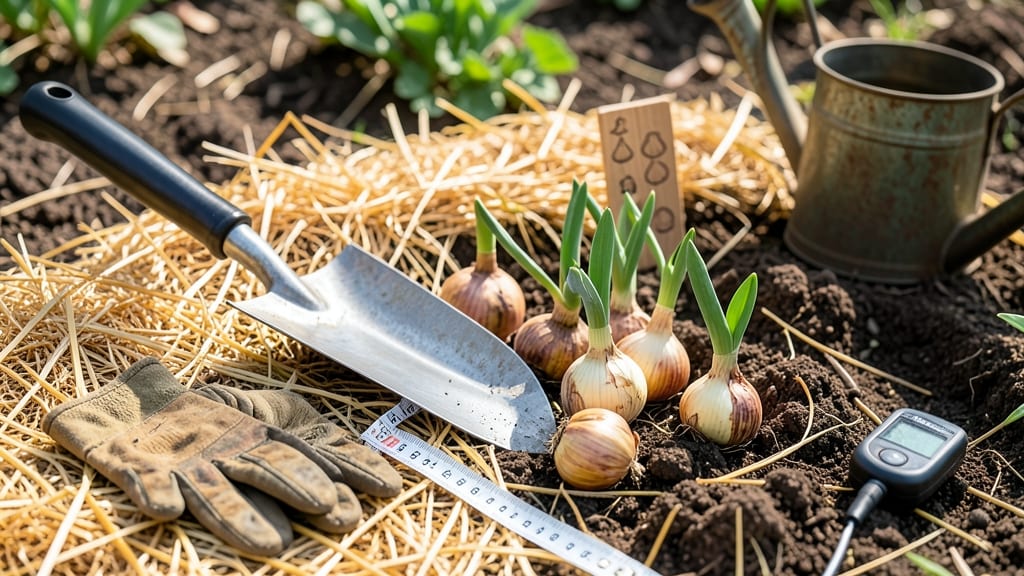
If you’ve ever watched your neighbor’s yard explode with 🌷 tulips and daffodils while yours stays bare, when to plant bulbs in Denver is the secret weapon you’ve been missing.
Planting spring-blooming bulbs in Denver isn’t just about throwing them in the ground—it’s about understanding when the soil cools, when frost lingers, and how your bulbs’ chill-hour needs align with Denver’s 6a climate.
Get it wrong, and you’ll either wait another year for blooms or risk losing them to early freezes.
The perfect window for planting in Denver runs from late September through November, but not all bulbs are created equal. Tulips, for example, need a solid 12-16 weeks of cold to trigger blooms, while daffodils are more forgiving.
Skip the guesswork by learning how to read your soil’s temperature and adjust for Denver’s microclimates—whether you’re in a frost-prone valley or a sun-baked slope.
I’ve tested the best strategies for Denver gardens, from mulching techniques that protect roots to backup planting dates for high-risk varieties. Whether you’re a first-time gardener or a seasoned pro, these insights will help you transform your yard into a vibrant spring showcase—without the frustration of trial and error.
Ready to dive in? Let’s break down the exact timing, soil prep, and care tips that’ll ensure your bulbs not only survive the winter but thrive come spring. Your future blooms will thank you.
Denver’s best bulb planting months by chill-hour requirements
Denver’s high-altitude climate (USDA Zone 6a) demands precise timing for bulb planting, where chill-hour requirements dictate success. Most spring-blooming bulbs need 6-12 weeks of cold temperatures (32-45°F) to trigger flowering. In Denver, this means planting 6-8 weeks before the first hard frost—typically between mid-September and mid-November.
Your soil temperature is the ultimate guide: bulbs should go in when soil cools to 60°F or below. Use a soil thermometer to check—this usually happens by late September in Denver. Early planting (August) risks rot, while waiting until December may leave bulbs vulnerable to freeze-thaw cycles.
Denver’s microclimates add another layer. South-facing slopes warm faster, creating a 2-3 week earlier planting window than shaded areas. For example, tulips planted in early October on a sunny hillside may bloom weeks ahead of those in a north-facing garden planted the same time.
Not all bulbs have the same chill-hour needs. Crocuses and snowdrops (300-600 chill hours) plant as early as late August, while tulips (900-1,200 chill hours) thrive when planted by mid-October. Daffodils (600-900 chill hours) fall in between, making them the most forgiving option for Denver’s variable weather.
Bulb Planting Guide for Denver
| Bulb Type | Chill Hours Needed | Best Planting Window | Soil Temp Threshold | Denver Microclimate Tip |
|---|---|---|---|---|
| Crocuses | 300-600 | Late August - Early Sept | 60°F or below | Plant in sunny, well-drained spots first |
| Daffodils | 600-900 | Mid-Sept - Early Oct | 55°F or below | Ideal for shaded garden edges |
| Tulips | 900-1,200 | Mid-Oct - Mid-Nov | 50°F or below | Avoid low-lying areas prone to frost pockets |
| Alliums | 600-900 | Late Sept - Early Nov | 55°F or below | Perfect for rocky or dry soils |
| Hyacinths | 900-1,200 | Late Oct - Early Dec | 45°F or below | Plant in containers for flexibility |
🌱 Pro Tip: Use a planting calendar to track Denver’s average frost dates—aim to finish by mid-November for most varieties.
Denver’s altitude (5,280 ft) accelerates temperature drops, so bulbs need to establish roots before the ground freezes. A simple test: push a broadleaf evergreen (like rhododendron) into the soil—if it stays upright, the ground is firm enough for planting.
For tulips and hyacinths, which need deeper soil (6-8 inches), wait until October when soil is cooler and moisture is consistent.
How to adjust planting for Denver’s unpredictable spring weather
Denver’s spring weather is infamous for its whiplash—one day it’s 70°F and sunny, the next it’s a 20°F frost. This unpredictability can turn your bulb planting into a high-stakes gamble. The key to success? Flexible timing and smart adjustments based on microclimates.
For example, bulbs planted in south-facing beds may bloom weeks earlier than those in shaded or low-lying areas. Understanding these variations helps you protect your blooms from late freezes.
Start by monitoring soil temperatures—they should consistently stay below 60°F for at least 6-8 weeks before planting. Use a soil thermometer to check depths of 4-6 inches, where bulbs will root.
In Denver, this usually aligns with late September to early November, but if your soil warms faster (like in urban heat islands), you may need to plant earlier. Pro tip: Test your soil in the afternoon when it’s warmest for the most accurate reading.
Denver’s average last frost date is May 15, but late frosts can hit as late as June 1. To safeguard delicate blooms like tulips, plant crocuses or alliums first—they’re frost-tolerant and act as early warning flowers. If a frost forecast appears after shoots emerge, cover them with frost cloth or a lightweight row cover.
Microclimates play a huge role in Denver’s gardening success. A south-facing slope might warm up 2-3 weeks earlier than a north-facing yard, while low-lying areas can trap cold air. If you’re unsure about your microclimate, observe how nearby trees or structures affect sunlight and wind.
For example, bulbs near a stone wall or brick building may experience warmer soil and need earlier planting. Conversely, shaded areas under evergreens stay cooler longer, delaying planting by 2-4 weeks.
Mulching is your secret weapon against Denver’s temperature swings. Apply a 3-inch layer of straw or shredded leaves after planting to insulate bulbs from freeze-thaw cycles. This layer also retains moisture during dry spells and suppresses weeds.
In particularly windy areas, add a thin layer of pine needles on top—they’re lightweight but excellent at trapping heat. Just avoid piling mulch against bulb stems to prevent rot.
If you miss the ideal planting window, don’t panic—Denver’s early spring offers a backup plan. Plant hardy bulbs like daffodils or snowdrops in March for late-spring blooms. These varieties tolerate cooler soil and establish roots quickly.
For tulips or hyacinths, consider pre-chilling bulbs in your fridge for 8-12 weeks before planting in late February. This mimics Denver’s winter chill and tricks bulbs into blooming on schedule.
Finally, keep a planting journal to track what works in your specific spot. Note the exact dates you plant, any unusual weather events, and how bulbs perform. Over time, you’ll spot patterns—like which varieties thrive in your microclimate or when your soil is truly ready.
With these adjustments, you’ll outsmart Denver’s weather and enjoy reliable, stunning blooms year after year. 🌱