
Plants
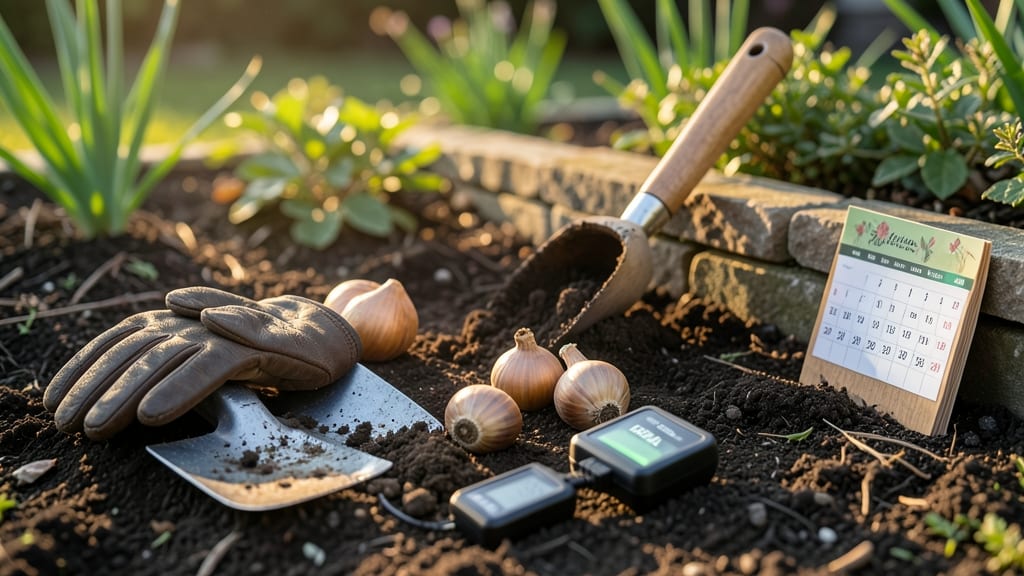
Timing when to plant bulbs in Indiana perfectly is the difference between a showstopping garden and a sad, half-blooming disappointment. The Zone 6a climate means you’ve got just a 6-week window between September and October to plant for next spring’s vibrant displays—miss it, and you risk weak growth or worse.
I’ve watched too many gardeners scratch their heads after Indiana’s first frost, wondering why their tulips never returned. The secret isn’t just about dates—it’s about soil temperature, bulb hardiness, and knowing when the ground will freeze solid.
Let me show you exactly when to plant, how deep, and what bulbs thrive best in Indiana’s unpredictable weather.
We’ll cover everything from fall-planted favorites like daffodils to spring’s latecomers, plus how to adjust for early snaps or soggy soils. No more guessing games—just a clear, foolproof schedule tailored to Indiana’s first frost dates and USDA guidelines.
Ready to transform your yard into a springtime explosion of color? Grab your gloves, and let’s get those bulbs in the ground at the perfect moment—before Indiana’s winter takes over for good.
Indiana’s exact bulb planting timeline by month (Zone 5-6 guide)
Indiana’s Zone 5-6 climate means your fall-planted bulbs need to root before the ground freezes—typically by mid-October for Northern Indiana and late October for Southern Indiana.
Spring-planted bulbs like dahlias wait until after the last frost (mid-April), but most spring bloomers (tulips, daffodils) go in the fall for winter hardiness. Here’s your month-by-month schedule to avoid frost damage.
Use soil thermometers to confirm readiness: bulbs thrive when soil temps hit 60°F in fall or 50°F in spring. In Northern Indiana (Zone 5b), aim for 6-8 weeks before the first hard frost (usually mid-October). Southern Indiana (Zone 6a) has 2-3 extra weeks—plant until late November.
🌱 Pro Tip: Check Indiana’s USDA Plant Hardiness Map for your exact location—urban areas (like Indianapolis) often freeze 1-2 weeks earlier than rural zones.
For Northern Indiana gardeners, September is your golden window. Plant tulips and daffodils by mid-September to ensure roots establish before winter. In Southern Indiana, you can stretch until early November, but avoid planting after the first frost—bulbs need 4-6 weeks of root growth before freezing.
🌿 Indiana-Specific Tip: If your soil stays wet or cold in fall (common in Northern Indiana), wait until soil temps rise above 50°F—even if it’s late September. Use a soil thermometer to check.
Spring-planted bulbs like dahlias and gladiolus go in after the last frost date (mid-April), but they’re not hardy for Indiana winters—treat them as annuals. For perennial bulbs, focus on fall planting for zero-frost blooms next spring.
🌡️ Watch for: Early frost warnings from the National Weather Service—Indiana’s Zone 5b areas (like Gary) freeze 2 weeks earlier than Zone 6a (like Louisville). Adjust your timeline accordingly.
After planting, apply
5 Critical factors that determine your Indiana bulb success (beyond just dates)
Timing matters, but Indiana’s Zone 5-6 climate throws curveballs—like early October frosts or soggy spring soils—that can derail even the most careful gardener.
I’ve learned the hard way that bulb hardiness, soil drainage, and even your yard’s microclimate (urban vs. rural) can shift your planting window by weeks. Let’s break down the 5 game-changers that separate thriving blooms from wasted bulbs.
First, check your USDA Zone 5b/6a map—Indiana’s northern counties (like South Bend) freeze earlier than southern ones (like Evansville). A 3-week difference in frost dates means planting daffodils in late September up north but waiting until mid-October down south.
Use the National Weather Service’s frost calendar to pinpoint your local cutoff.
- 1. Soil Temperature: Aim for 60°F soil (use a soil thermometer)—waiting for this ensures roots establish before winter.
- 2. Bulb Hardiness: Tulips (Zone 3-8) handle Indiana’s winters, but dahlias (Zone 9-11) need spring planting.
- 3. Drainage: Clay-heavy soils? Amend with compost or plant in raised beds—waterlogged bulbs rot.
- 4. Mulch Thickness: 4-6 inches of straw protects roots but too much smothers bulbs.
- 5. Microclimate: Urban areas (like Indianapolis) warm faster than rural spots—adjust dates accordingly.
Don’t overlook soil drainage—Indiana’s heavy clay can turn bulb beds into rot factories. Before planting, dig a 6-inch hole and fill it with water: if it drains in under 2 hours, you’re good.
If not, mix in sand or perlite to improve airflow. I once lost a $50 tulip batch because I ignored this step—never again!
Another pro move? Mulch thickness matters. A 4-inch layer insulates roots but 6+ inches can suffocate emerging shoots in spring. Use straw (not leaves)—it breaks down slowly and won’t mat down. Pro tip: Label your mulch with the planting date to track progress.
Finally, urban vs. rural differences can’t be ignored. City sidewalks and buildings create heat islands, delaying frosts by 1-2 weeks. If you’re in Fort Wayne, plant 2 weeks later than a nearby farm.
Use a neighbor’s garden as a reference—if their tulips are already up in March, yours might need a delayed start.
Master these factors, and you’ll outsmart Indiana’s weather—guaranteed blooms next spring. 🌷