
Plants
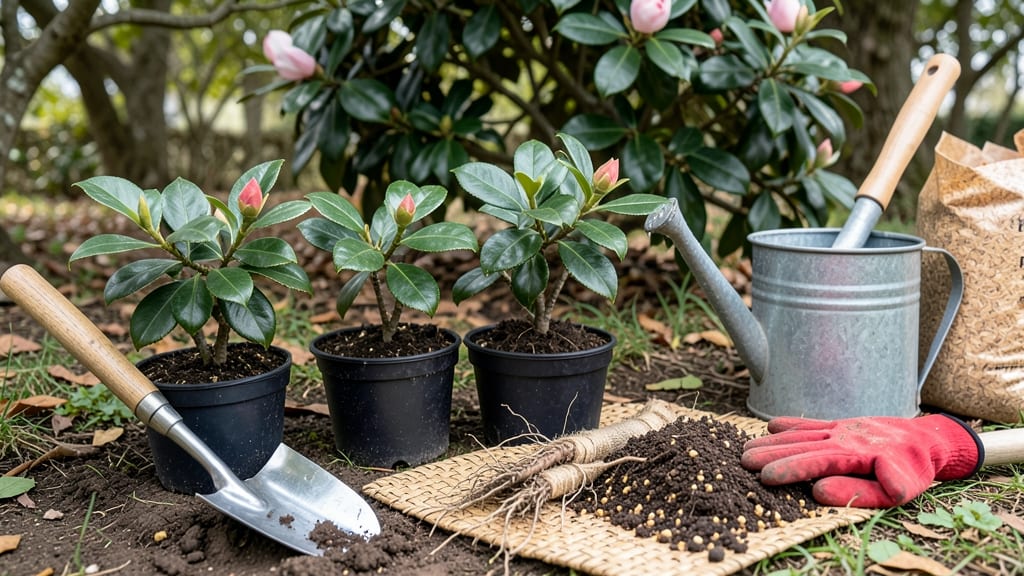
If you’re dreaming of those show-stopping 🌸 camellia blooms in your Zone 9 garden, timing your planting could make all the difference between thriving shrubs and sad, wilted leaves.
Unlike other plants, camellias in Zone 9 demand a specific window—plant too early, and the summer heat will stress them before they take root; too late, and they might struggle to establish before the next growing season.
Zone 9’s mild winters and intense summers mean the best time to plant camellias is actually a cooler season strategy. Most gardeners swear by late fall to early spring, but there’s more to it than just picking a month.
We’re talking soil temperatures, microclimates (coastal vs. inland), and even how much shade your yard gets. Get this right, and your camellias will reward you with lush, vibrant blooms for years.
Let’s cut through the guesswork. I’ll walk you through the ideal planting months for Zone 9, why fall is your secret weapon, and how to prep your soil and site for success.
Whether you’re a first-time planter or a seasoned gardener, these tips will help you avoid the costly mistakes that kill camellias in hot climates.
Ready to turn your garden into a fragrant, evergreen paradise? The key is in the timing—and I’ve got the exact schedule you need to make it happen. Let’s get started.
Best planting months for camellias in Zone 9 to avoid heat stress
Zone 9’s mild winters and intense summers make timing the difference between thriving camellias and plants struggling under heat stress. Unlike cooler climates, where spring planting is ideal, Zone 9 gardeners must prioritize root establishment before summer’s arrival.
The sweet spot? Plant between November and February, when soil stays cool and moisture levels remain consistent.
Camellias are semi-tropical plants, meaning they prefer cooler temperatures for root growth. In Zone 9, summer heat can scorch new roots within weeks, leading to wilting or even death. By planting in late fall or early winter, you give roots time to anchor before the heat peaks.
This strategy is especially critical for container-grown camellias, which dry out faster.
Here’s the breakdown: November to December offers the best balance of cool soil and adequate rainfall, while January to February provides a buffer before spring’s rising temperatures. Avoid planting in March or later, as soil temperatures often exceed 70°F, stressing young plants before they can establish.
| Planting Window | Soil Temperature | Rainfall | Heat Risk | Best For |
|---|---|---|---|---|
| November | 55°F - 65°F | Moderate | Low | Root establishment |
| December | 50°F - 60°F | Higher | Very Low | Slow, steady growth |
| January | 50°F - 60°F | Moderate | Low | Early spring prep |
| February | 55°F - 65°F | Lower | Moderate | Late winter buffer |
| March | 65°F - 75°F | Low | High | Avoid (heat stress risk) |
Zone 9’s microclimates add another layer of complexity. Coastal areas, like San Diego or Santa Barbara, experience milder winters with less frost risk, allowing for slightly later planting (up to early March).
Inland zones, such as Phoenix or Las Vegas, demand earlier planting (by November) due to faster soil warming. Always check your local frost dates, even in Zone 9, as unexpected cold snaps can occur.
If you miss the ideal window, spring planting in April is still possible, but requires extra care: deep watering, shade cloth, and mulching to protect roots. Container-grown camellias should be planted earlier than bare-root varieties, as their roots dry out faster in Zone 9’s heat.
For best results, aim to plant at least 6 weeks before summer’s peak (typically by late February).
Pro tip: Test your soil’s moisture retention before planting. Camellias hate soggy roots but also struggle in dry soil. Amend with organic matter like compost or peat moss to improve drainage while retaining moisture. This prep step is non-negotiable in Zone 9’s clay-heavy soils, which bake hard during summer.
Another critical factor is sun exposure at planting. While camellias tolerate partial shade, newly planted shrubs need protection from direct afternoon sun—the most intense in Zone 9. Use temporary shade cloth or plant near existing trees (like live oaks) for the first 6-12 months to reduce stress.
For container camellias, timing shifts slightly. Since pots dry out faster, plant them 2-3 weeks earlier than in-ground varieties to give roots time to adjust. After planting, water deeply and monitor soil moisture daily for the first week.
In Zone 9, overwatering is just as deadly as underwatering, so aim for consistently moist but not soggy soil.
Remember: Camellias in Zone 9 reward patience. A plant established in November will bloom vigorously in late fall or winter, while one planted in March may struggle to recover in time.
Your goal is to beat the heat, not race against it. With the right timing, your camellias will thrive—and you’ll enjoy those fragrant blooms for years.
Best planting months for camellias in Zone 9 to avoid heat stress
Zone 9’s warm winters and brutal summers mean timing is everything when planting camellias. Unlike cooler climates, you can’t just dig in during spring—your plants will bake in the heat before roots establish.
The sweet spot is actually late fall to early spring, when soil stays cool and humidity helps roots grow without stress.
Most gardeners in Zone 9 swear by November through February as the ideal window. This gives roots 4-6 months to settle before summer’s intensity hits. But there’s more to it than just picking a month—soil temperatures, microclimates (coastal vs. inland), and even afternoon shade all play a role.
Let’s break down the exact months and why they work, plus how to adjust for your specific Zone 9 conditions.
| Planting Window | Soil Temp | Best For | Zone 9 Notes |
|---|---|---|---|
| Late Fall (Nov-Dec) | 50-65°F | Root Establishment | Cooler nights, higher humidity; perfect for root growth. |
| Early Winter (Jan-Feb) | 45-55°F | Dormancy Prep | Mild winters in Zone 9 mean minimal frost risk. |
| Spring (March-April) | 60-70°F | Active Growth | Risk of heat stress; plant early March before temps rise. |
🌱 Pro Tip: Coastal areas can plant 1-2 weeks later due to cooler microclimates.
If you’re in inland Zone 9, aim for November to early January—soil stays cooler longer, and you avoid the late-winter heat spikes that can shock young roots. Coastal gardeners, on the other hand, can push planting into February thanks to ocean breezes keeping temps mild.
Spring planting is riskier in Zone 9. By March, soil temperatures can creep into the 70s°F, which stresses camellias before they’ve had time to root. If you must plant in spring, do it by early March and provide extra shade for the first 6 weeks.
One non-negotiable rule: Never plant camellias in summer or early fall in Zone 9. The combination of intense heat, low humidity, and drying winds will kill them before they bloom. Your goal is to beat the heat with a strong root system—so plan ahead!