
Plants
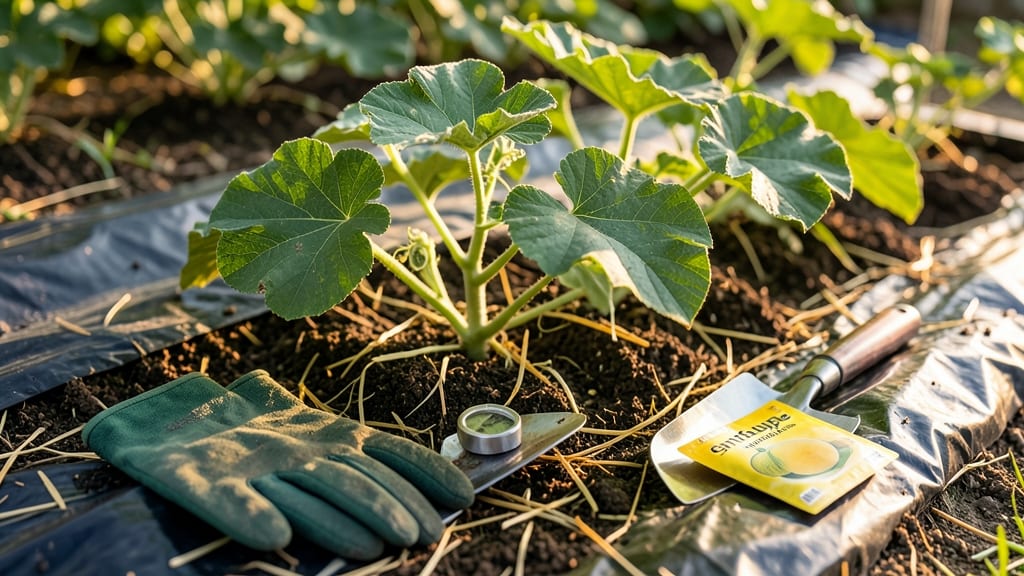
Timing your cantaloupe planting in Ohio can make or break your harvest—especially when unpredictable spring weather throws off your plans. The key to success lies in waiting for soil temperatures to hit 70°F, a critical threshold that signals it’s safe to plant after Ohio’s last frost, typically around mid-April.
If you plant too early, your 🍈 cantaloupe seedlings may wilt from cold soil, while waiting too long risks running out of Ohio’s short growing season.
I’ll show you exactly how to test soil warmth and adjust your planting schedule for USDA Zone 6a, so your vines thrive from mid-April through early May.
Beyond timing, I’ll cover smart techniques to extend your cantaloupe’s growing window—like using black plastic mulch or companion planting—so you can maximize your harvest before Ohio’s first frost in October. Let’s get your garden ready for sweet, homegrown success.
Whether you’re a first-time gardener or a seasoned pro, these Ohio-specific tips will help you avoid common mistakes and grow cantaloupes that rival the ones at the grocery store. Ready to dig in?
Ohio’s ideal cantaloupe planting timeline based on soil temperature
Ohio gardeners know timing is everything—especially for heat-loving cantaloupes. Planting too early risks frost damage, while waiting too long cuts your harvest short. The key? Soil temperature and last frost dates.
In Ohio’s USDA zones 5–7, aim to plant cantaloupe seeds after the average last frost date (typically mid-April to early May), but never before the soil warms to 70°F (21°C).
Cantaloupes are warm-season crops, meaning they won’t thrive in cool soil. If you plant seeds in chilly earth, they’ll rot or fail to germinate. Instead, use a soil thermometer to confirm readiness—this small tool is a game-changer for Ohio’s unpredictable springs.
For direct sowing, wait until nighttime temperatures stay above 55°F (13°C) to ensure strong seedling growth.
Ohio’s climate varies by region, so adjust your timeline accordingly. Southern Ohio (Zone 7) can plant slightly earlier (late April), while northern areas (Zone 5) should wait until early May. Microclimates near lakes or urban heat islands may also allow for earlier planting—observe your local conditions.
If you’re eager to start sooner, transplant seedlings instead of direct sowing. Begin seeds indoors 4–6 weeks before the last frost (around mid-March) using biodegradable pots to avoid root disturbance. Harden off seedlings outdoors for 7–10 days before transplanting after soil warms.
Pro tip: Use black plastic mulch to warm the soil faster—this can shave 1–2 weeks off your planting window. Lay it down 1–2 weeks before planting to raise soil temperatures by 5–10°F. This trick is especially useful in Ohio’s cooler zones.
Here’s a quick **Ohio cantaloupe planting
Ohio’s ideal cantaloupe planting timeline based on soil temperature
Ohio’s USDA Zone 6a climate means cantaloupe thrives when planted after the last frost—typically mid-April—but soil temperature is the real game-changer. Cantaloupes need warm soil to germinate, ideally 70°F (21°C) or higher, which usually aligns with late April to early May in most of Ohio.
If you plant too early, your seedlings may rot in cold soil. Conversely, waiting too long risks a shorter harvest window before Ohio’s first frost in mid-October.
The key is balancing soil warmth with your local last frost date, which can vary by 1–2 weeks across the state.
To test soil temperature, use a soil thermometer buried 2 inches deep. If it reads below 60°F (15°C), wait a few more days. In southern Ohio (e.g., Cincinnati), you might plant as early as late April, while northern areas (e.g., Cleveland) may need to wait until early May.
| Stage | Action | Ohio Timeline |
|---|---|---|
| Soil Warmth Check | Test 2" depth with thermometer | Late April–early May |
| Last Frost Date | Wait 2 weeks after last frost | Mid-April–early May |
| Planting Window | Direct-sow seeds or transplant | Late April–early June |
| Harvest Window | Pick ripe fruit before frost | July–early September |
For a head start, sow seeds indoors 4–6 weeks before your target planting date. Use biodegradable pots to avoid transplant shock when moving seedlings outdoors. Harden them off by placing them outside for 1–2 hours daily in the week leading up to transplanting.
Ohio’s clay-heavy soil can slow soil warming, so amend beds with compost or aged manure 2–3 weeks before planting. This boosts soil temperature by 2–5°F, helping cantaloupes establish faster. In cooler microclimates, consider black plastic mulch to raise soil temps by 5–10°F.
Once planted, cantaloupes need 8–10 hours of sun daily and consistent moisture. Water deeply in the morning to prevent fungal diseases like powdery mildew, which thrives in Ohio’s humid summers. Mulch around plants to retain moisture and keep roots cool.
By aligning your planting with Ohio’s soil warmth triggers and local frost dates, you’ll maximize your cantaloupe’s growth window—ensuring a bountiful harvest before the first frost hits. 🍈