
Plants
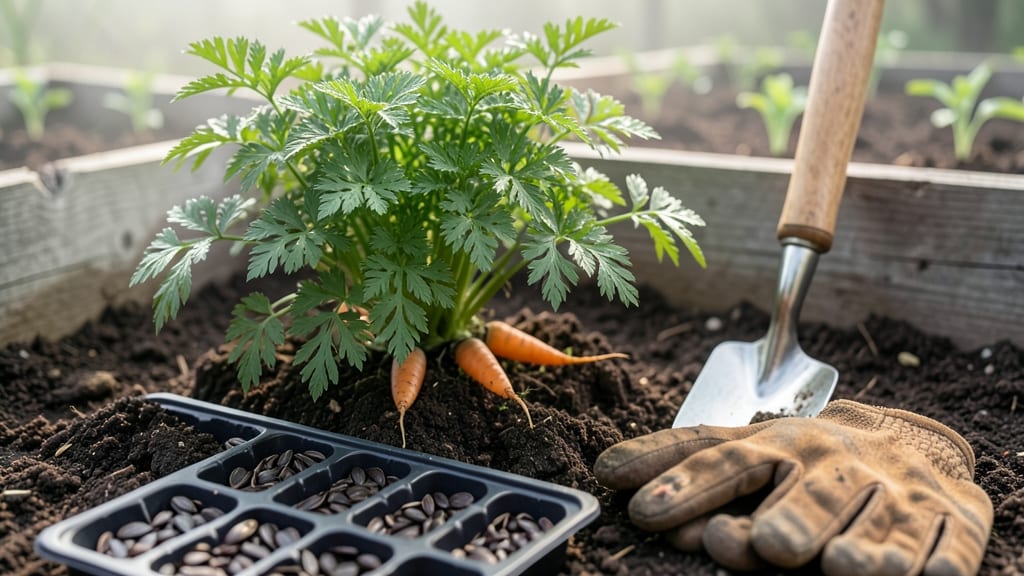
Timing your 🥕 carrot planting in Kentucky can mean the difference between a bumper crop and a total flop. If you plant too early, frost will zap your tender seedlings before they even sprout, while waiting too long risks tough, woody roots from summer heat.
The key is knowing exactly when to get those seeds in the ground for crisp, sweet harvests all season long.
With Kentucky’s USDA Zone 6a climate, you’ve got two prime windows to aim for: early spring and late summer. The first window opens around March to April, giving you plenty of time to harvest before summer’s intense heat sets in.
But don’t wait too long—planting 4-6 weeks before your last frost date (usually around March 15) ensures your carrots have enough time to mature before the weather turns.
I’ve learned the hard way that skipping these timing guidelines can lead to disappointing results. Whether you’re a seasoned gardener or just starting out, getting this right is the game-changer for growing perfect, straight carrots.
Let’s break down exactly when and how to plant for your Kentucky garden’s best chances at success.
From soil prep to variety selection, I’ll walk you through every step to maximize your harvest. You’ll discover how to stretch your growing season, avoid common pitfalls, and even handle Kentucky’s rocky soil for straighter roots. Ready to dig in?
Kentucky carrot planting timeline: frost dates and soil temperatures
Kentucky’s last frost dates vary by region, but most areas see their final frost around March 15. For crisp, sweet carrots, aim to plant seeds 4-6 weeks before this date.
In northern Kentucky (USDA Zone 6a), start as early as late February under row covers, while southern regions (Zone 7b) can wait until mid-March.
Soil temperature is just as critical. Carrot seeds need soil temps between 55-85°F to germinate properly. Use a soil thermometer to check—if temps dip below 50°F, wait a few weeks. Cool springs (like Kentucky’s) often delay germination, so don’t rush planting before the ground warms.
Here’s how Kentucky’s regions break down for ideal planting windows and harvest timelines:
| Region | Last Frost Date | Planting Window | Harvest Window | Soil Temp Requirement |
|---|---|---|---|---|
| Northern KY (Zone 6a) | March 15 | Late Feb - Early Apr | June - Aug | 55-65°F |
| Central KY (Zone 6b) | March 22 | Early Mar - Mid-Apr | Late May - Sept | 55-70°F |
| Southern KY (Zone 7b) | March 30 | Mid-Mar - Early May | July - Oct | 60-85°F |
For a second harvest, plant a late-summer crop in July or August. Choose heat-tolerant varieties like ‘Chantenay’ to avoid bolting (premature flowering). Aim to harvest before first frost (around November 15), or use row covers to extend the season.
Pro tip: Test your soil before planting—Kentucky’s clay-heavy soil can cause forked roots. Amend with compost or sand to loosen the texture. A pH between 6.0-7.0 is ideal for carrot growth.
If you’re unsure about frost dates, check the Kentucky Mesonet or local Cooperative Extension Service for updates. Their frost prediction tools can help you adjust planting times yearly.
Remember, consistent moisture is key after germination. Keep soil evenly moist (but not soggy) to prevent woody roots or cracking. Mulch with straw or grass clippings to retain moisture and suppress weeds.
For early spring plantings, use black plastic mulch to warm the soil faster. Remove it once seeds sprout to avoid overheating. This trick can shave 2-3 weeks off your growing season in cool Kentucky springs.
Now that you’ve got your planting timeline locked in, the next step is choosing the right carrot varieties for Kentucky’s climate—we’ll cover that in the next section!
Best carrot varieties for Kentucky’s climate and when to sow them
Choosing the right carrot varieties for Kentucky’s USDA Zone 6a climate is half the battle. The wrong type can lead to bolting (flowering too early) or woody roots from heat stress.
I’ve found that cold-hardy varieties like ‘Danvers’ and ‘Nantes’ thrive in Kentucky’s spring and fall, while heat-tolerant types like ‘Chantenay’ handle late-summer plantings better.
For spring plantings, aim for varieties that mature in 60-70 days. These give you enough time to harvest before summer heat sets in. In my garden, ‘Danvers Half Long’ is my go-to—it’s cold-resistant and produces sweet, crisp roots even when nights are chilly.
Plant these 4-6 weeks before your last frost date (around March 15 in Kentucky).
The late-summer window (July-August) is perfect for short-day varieties like ‘Paris Market’ or ‘Little Finger’. These stay sweet even as temperatures rise. I’ve had great success with ‘Chantenay Red Cored’, which handles Kentucky’s humidity better than other types.
Sow these 8-10 weeks before your first frost (around October 15) for a fall harvest.
Spring Varieties (Plant March-April)
✅ Cold-hardy, 70-day maturity
✅ Resists forking in rocky soil
❌ Needs consistent moisture
✅ Sweet, tender roots
✅ Great for succession planting
❌ Bolts in heat
Summer Varieties (Plant July-August)
✅ Heat-tolerant, 75-day maturity
✅ Handles humidity well
❌ Can get woody if overripe
✅ Compact, 60-day maturity
✅ Great for containers
❌ Small roots
Avoid planting long-day varieties like ‘Imperator’ in Kentucky’s summer—they’ll bolt before producing roots. Instead, stick to short-day or intermediate-day types that match your planting window. For example, ‘Golden Ball’ is a round carrot that works well in both spring and fall, maturing in just 60 days.
Pro tip: If you’re succession planting every 2-3 weeks in spring, mix early-maturing (50-60 days) and mid-season (60-70 days) varieties. This ensures a continuous harvest from June through October. I’ve even had luck with a fall planting of ‘Sugar Snack’ under row covers, extending my harvest into November.
Remember, Kentucky’s rocky soil can cause forked roots, so always loosen the soil and remove stones before planting. With the right variety and timing, you’ll enjoy homegrown carrots that outshine store-bought every time! 🥕