
Plants
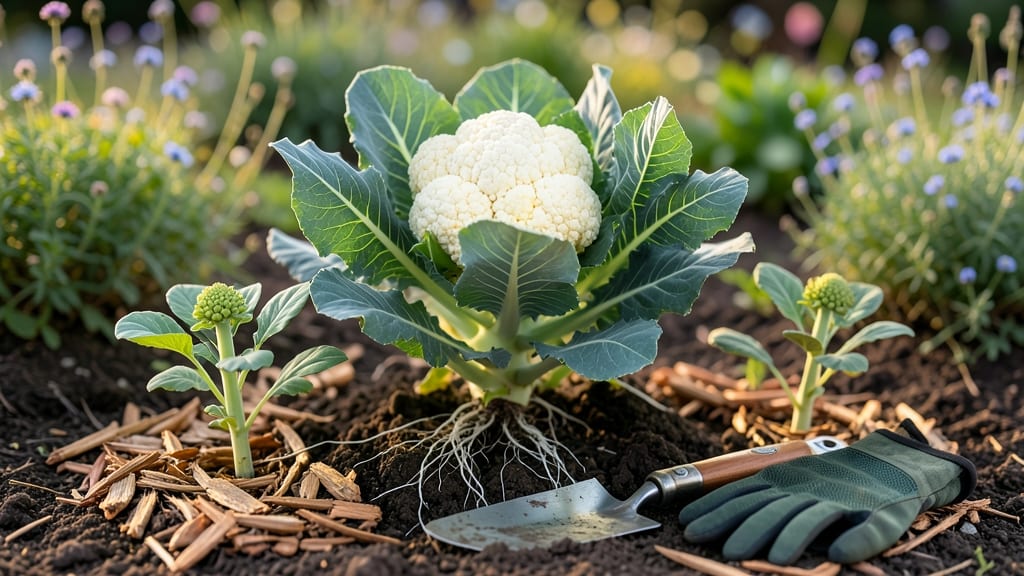
Timing your 🥬 cauliflower planting in Florida isn't just about following a calendar—it's about outsmarting the heat and humidity that can turn your crop into a sad, bolted mess before harvest.
I've learned the hard way that planting too early in the summer means wilting plants, while waiting too late risks frost damage in cooler zones like 9a-11. The sweet spot? Those crisp fall months when temperatures dip just enough to let your cauliflower thrive.
Here's the secret Florida gardeners swear by: plant your 🥬 cauliflower between September and October for a winter harvest, or push it to January-February if you're aiming for spring. These windows give your plants the 60-80 days they need to mature before summer's relentless sun becomes a problem.
Trust me, skipping this timing can mean the difference between a bountiful harvest and a garden full of bitter, stringy disappointment.
But here's what most guides won't tell you: not all cauliflower varieties handle Florida's climate the same way. Some heat-resistant types like 'Cheddar' or 'Purple of Sicily' actually perform better in our warmer zones, while others will bolt faster than you can say "hurricane season."
I'll show you which varieties to pick based on where you live in the state—because yes, North Florida's 9a has different rules than South Florida's 11.
The best part? With the right timing and variety, you could be enjoying homegrown 🥬 cauliflower from your garden during those chilly winter evenings—no grocery store in sight.
Let's dive into exactly when to plant, which varieties to choose, and how to keep your cauliflower from turning into a science experiment gone wrong.
Best planting months for cauliflower in Florida’s climate zones
Florida’s unique climate—with its hot summers and mild winters—means cauliflower thrives only during cool-season windows. Unlike northern states, you can’t plant year-round, but with the right timing, you’ll avoid bolting (premature flowering) and enjoy crisp, flavorful heads.
The key is planting when daytime highs stay below 80°F and nights dip into the 50s-60s.
Florida’s three distinct zones—North (USDA 8a-9a), Central (9b), and South (10a-11)—each have slightly different frost risks and heat tolerance thresholds. North Florida gardeners face cooler winters and occasional frost, while South Florida’s near-tropical climate allows for extended growing seasons.
I’ll break down the exact months for each zone to maximize your harvest.
For all Florida zones, September-October is the prime planting window for a fall-winter crop, with harvests ready by December-January. A second planting in January-February yields spring harvests in March-April. Avoid planting in summer (May-August)—cauliflower hates heat and will bolt or wilt under Florida’s 90°F+ days.
Here’s how to align your planting with Florida’s microclimates for foolproof success:
| Zone | Ideal Planting Months | Average Last Frost | Harvest Window | Key Tip |
|---|---|---|---|---|
| North Florida (USDA 8a-9a) | September 15–October 15 January 1–February 15 |
January 15 (occasional frost) | December–January March–April |
Use row covers for frost protection; plant near trees for afternoon shade. |
| Central Florida (USDA 9b) | August 20–September 30 December 1–January 15 |
Rarely below freezing | October–November February–March |
Prioritize well-draining soil; mulch to retain moisture. |
| South Florida (USDA 10a-11) | July 1–August 15 November 15–December 31 |
Never (tropical climate) | September–October January–February |
Plant in high elevations to avoid humidity; use shade cloth in summer. |
If you’re in North Florida, your first frost typically hits around mid-December, so aim to harvest by then or use row covers to extend the season.
For Central Florida, you’ve got a longer window—planting in late August can work if you’re near the coast, where humidity is higher and temps stay milder. South Florida gardeners have the luxury of two full cycles: a summer-planted crop (July-August) and a winter-planted crop (November-December).
Pro tip: Start seeds indoors 4–6 weeks before your target outdoor planting date. Florida’s short daylight hours in winter slow germination, so give seedlings a head start. Use grow lights if natural light is limited, and harden off seedlings for 7–10 days before transplanting to avoid shock.
For succession planting, sow a second batch 4–6 weeks after your first planting to stagger harvests. For example, if you plant in mid-September, follow up with another batch in early October.
This ensures you’re not overwhelmed with harvests all at once and keeps your kitchen stocked with fresh cauliflower for months.
Watch for heat waves even in cooler months—Florida’s unpredictable weather can push temps into the 80s°F in October or February. If a heat spike is forecasted, shade your plants with floating row covers or lightweight shade cloth (30%) to prevent bolting.
A mulch layer of straw or wood chips also helps regulate soil temperature.
Finally, soil temperature matters just as much as air temperature. Cauliflower seeds won’t germinate well in cold soil—aim for soil temps above 40°F. Use a soil thermometer to check before planting, especially in North Florida’s cooler zones.
If soil is too cold, wait a week or two or use black plastic mulch to warm it up faster.
Timing your cauliflower planting in Florida isn’t just about months—it’s about reading the microclimate of your specific garden. With these zone-specific windows, you’ll avoid the common pitfalls of bolting, poor germination, and heat stress, ensuring a bountiful harvest of crisp, homegrown cauliflower. 🥬
Best planting months for cauliflower in Florida’s climate zones
Florida’s USDA zones 9a-11 create unique challenges for growing 🥬 cauliflower, but understanding your specific zone can mean the difference between a thriving crop and a failed experiment.
In North Florida (9a), where frost is a real risk, your planting window is tighter—aim for late August to early October for a winter harvest, or January to early February for spring.
Meanwhile, Central Florida (9b-10a) gardeners have a bit more flexibility, with ideal months stretching from September through November and again in January.
For South Florida (10b-11), where frost is rare, you can push your planting even later—October to December for winter crops and February to March for spring. The key is avoiding summer heat, which causes cauliflower bolting (when plants flower prematurely).
I’ve seen firsthand how 90°F+ temperatures turn perfectly good seedlings into bitter, inedible stalks within weeks. The solution? Plant when daytime highs stay below 85°F and nights dip into the 50s-60s.
Here’s the golden rule: Cauliflower needs 60-80 days to mature, so calculate backward from your first expected frost date. In North Florida, that’s usually mid-December, while South Florida rarely sees frost.
Use this summary table to pinpoint your ideal planting window based on your zone and harvest goals.
🌱 Florida Cauliflower Planting Guide by Zone
| Zone | Fall Planting Window | Winter Harvest Months | Spring Planting Window | Spring Harvest Months |
|---|---|---|---|---|
| 9a (North FL) | Late Aug - Early Oct | Dec - Jan | Jan - Early Feb | Mar - Apr |
| 9b-10a (Central FL) | Sep - Nov | Nov - Jan | Jan - Feb | Mar - Apr |
| 10b-11 (South FL) | Oct - Dec | Dec - Feb | Feb - Mar | Apr - May |
⏰ Pro Tip: Use shade cloth (30-50%) if planting in late fall to protect seedlings from unexpected cold snaps.
One mistake I see new Florida gardeners make is planting too early in the summer, thinking they’re getting a head start. But cauliflower hates heat—temperatures above 80°F will make your plants bolt within days.
Instead, start seeds indoors 4-6 weeks before your target outdoor planting date to give seedlings a fighting chance. I’ve had success using grow lights in late summer to get a jump on fall plantings, especially in North Florida where the season is shorter.
If you’re in South Florida, you might even try a year-round approach with shade and extra care, but expect smaller yields. The real sweet spot? That cool-season window when mornings are crisp and afternoons stay mild.
For me, October plantings in Central Florida always deliver the most reliable harvests—just in time for holiday meals. The key is patience: wait until soil temperatures drop below 75°F before transplanting seedlings outdoors.
Remember, Florida’s microclimates mean your neighbor’s success might not apply to you. Check your local Cooperative Extension Service for frost data, and always have a backup plan like row covers for unexpected cold snaps.
With the right timing, you’ll be harvesting homegrown cauliflower that’s sweeter and fresher than anything store-bought—no matter where you live in the state.