
Companion Plants
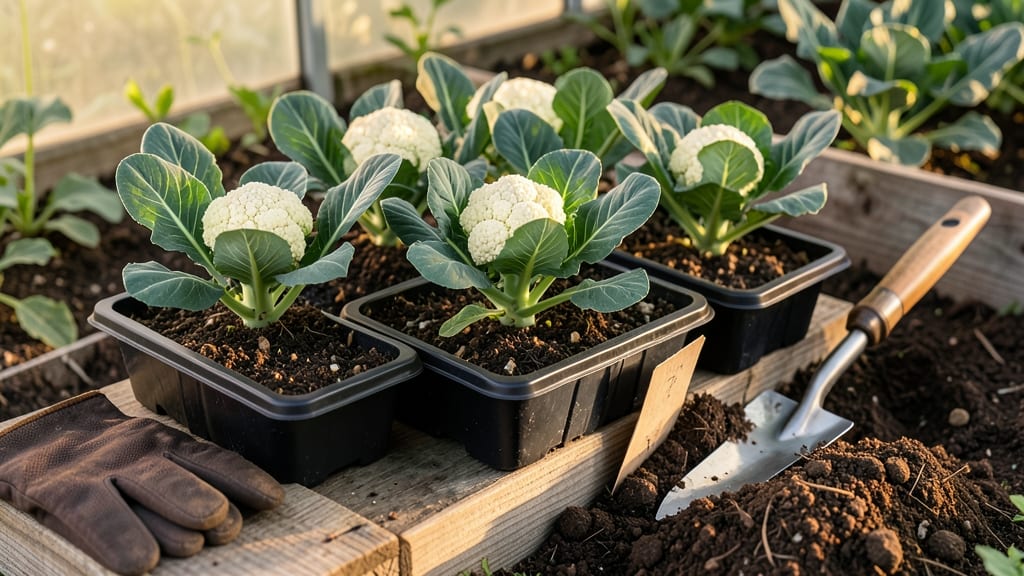
Timing your 🥬 cauliflower planting in Pennsylvania wrong can mean bitter disappointment instead of a bountiful harvest. The secret to avoiding bitter-tasting, bolted heads lies in matching your planting schedule to Pennsylvania’s chill-hour zones—something most gardeners overlook until it’s too late.
If you’ve ever watched your carefully nurtured cauliflower suddenly shoot up a flower stalk instead of forming that perfect head, you know how frustrating it can be. The solution starts with understanding when to plant cauliflower in PA—whether you’re sowing seeds indoors in February or transplanting seedlings in March.
Getting this right means the difference between a garden full of disappointment and one packed with crisp, flavorful heads ready for your dinner table.
I’ve grown cauliflower in Pennsylvania’s 5b-7a zones for years, and I’ve learned the exact windows that work—from early spring plantings in March to late summer sowings in July.
In this guide, I’ll walk you through the precise timing, soil temperature tricks, and companion planting strategies that keep your cauliflower happy and productive, no matter where you are in the state. Let’s get those heads growing the right way.
You’ll also discover how to handle Pennsylvania’s unpredictable weather, from late frosts that can delay planting to heatwaves that might stress your plants. With the right approach, you can extend your growing season and avoid common mistakes that lead to wasted effort.
Ready to master the art of cauliflower timing in PA? Let’s dive in.
Pennsylvania’s chill-hour zones: the exact timing to plant cauliflower
Cauliflower thrives in Pennsylvania’s cool climates, but timing is everything to avoid bolting—when the plant prematurely flowers. The key? Matching your planting schedule to Pennsylvania’s 4,000–6,000 chill-hour zones. Most of PA falls into USDA Zones 5b–7a, where spring and fall crops need precise timing to succeed.
For spring plantings, aim for 4–6 weeks before your last frost date (typically late March to early April). In western PA (Pittsburgh area), chill hours arrive earlier than in eastern PA (Philadelphia), so adjust accordingly.
Fall crops should go in 7–8 weeks before first frost (usually mid-July to early August).
Here’s the breakdown of Pennsylvania’s chill-hour zones and the optimal planting windows to prevent bolting and ensure a bountiful harvest:
| Region | Chill-Hour Zone | Spring Planting Window | Fall Planting Window | Key Varieties |
|---|---|---|---|---|
| Western PA (Pittsburgh) | 5b–6a | Late March–Early April | Mid-July–Early August | Snowball Y, Purple of Sicily |
| Central PA (Harrisburg) | 6a–6b | Early April–Mid-April | Late July–Early August | Romanesco, Early Whitehead |
| Eastern PA (Philadelphia) | 6b–7a | Mid-April–Late April | Early August–Mid-August | Graffiti, Violetta |
Cauliflower varieties also play a role in timing. Early varieties like Snowball Y mature in 60–70 days, while late varieties like Romanesco take 80–90 days. Choose varieties that align with your frost-free growing season (typically 160 days in PA).
For example, in Philadelphia’s Zone 7a, plant late July for a fall harvest before frost hits.
Soil temperature is another critical factor. Cauliflower seeds won’t germinate well in cold soil—wait until the soil reaches 40°F (4°C) for spring plantings. Use a soil thermometer to check, especially in northern PA, where soil warms slower.
In southern PA, you can start slightly earlier, but avoid planting when nighttime temps dip below 50°F (10°C).
If you’re starting seeds indoors, begin 6–8 weeks before your last frost date. Use grow lights to provide 12–14 hours of light daily until seedlings are 3–4 inches tall and have 4–5 true leaves. Harden them off for 7–10 days before transplanting to avoid shock.
For direct sowing, wait until the soil is at least 50°F (10°C) and nighttime temps stay above 55°F (13°C). In Pennsylvania’s variable climate, direct sowing is riskier than transplanting seedlings, but it can work in warmer microclimates like southeastern PA.
Pro tip: Use black plastic mulch to warm the soil faster in spring or shade cloth in summer to protect plants from heat stress. This helps extend your planting windows by 1–2 weeks in either direction.
Remember, bolting is your worst enemy. Cauliflower bolts when it senses long days and warm nights. By sticking to these chill-hour zone guidelines, you’ll give your plants the cool, consistent conditions they need to form tight, flavorful heads instead of bitter stems.
Pennsylvania’s chill-hour zones: the exact timing to plant cauliflower
Pennsylvania’s 5b-7a zones create unique challenges for cauliflower growers. The key to success lies in understanding chill-hour requirements—most varieties need between 4,000–6,000 chill hours to form proper heads.
Plant too early, and your cauliflower may bolt before forming; too late, and you risk frost damage. The solution? Strategic timing based on your specific region within PA.
For southern PA (zones 7a-7b), like Philadelphia and Lancaster, your last frost date typically arrives around April 1. This means you can start transplanting seedlings outdoors as early as late March, giving you a 90-day harvest window before fall frosts.
In contrast, northern PA (zones 5b-6a), including Pittsburgh and Erie, face later frosts—often May 1—so you’ll need to adjust your schedule accordingly.
Here’s the critical comparison table showing exact planting windows for both spring and fall crops across PA’s chill-hour zones:
| Region | Chill-Hour Zone | Spring Planting Window | Fall Planting Window | Key Varieties |
|---|---|---|---|---|
| Southern PA (Philadelphia, Lancaster) | 7a-7b | Late March - Early April | Mid-July - Early August | Snowball Y, Purple of Sicily |
| Central PA (Harrisburg, York) | 6a-6b | Mid-April - Early May | Late June - Mid-July | Early Snowball, Romanesco |
| Northern PA (Pittsburgh, Erie) | 5b-6a | Early May - Mid-May | Early July - Early August | White Magic, Graffiti |
If you’re growing early varieties like Snowball Y, aim for a 60-day harvest window—this means starting seeds indoors in February for a spring crop or June for a fall harvest.
For late varieties like Romanesco, extend your timeline to 90 days, giving you more flexibility to adjust for late frosts.
One common mistake I see is planting cauliflower too early in northern PA. The soil may warm up, but the risk of late frosts in May can still damage young seedlings. To avoid this, use row covers or wait until the soil reaches 45°F consistently before transplanting.
In southern PA, the opposite is true—planting too late can lead to bolting before harvest due to summer heat.
For a foolproof approach, I recommend double-checking your local frost dates using the Penn State Extension’s frost calendar. This ensures you’re planting at the optimal time for your specific microclimate, whether you’re in Erie’s cooler zone or Lancaster’s warmer pockets.
With the right timing, you’ll avoid the heartbreak of wasted effort and enjoy a garden full of crisp, flavorful cauliflower heads all season long. 🥬