
Plants
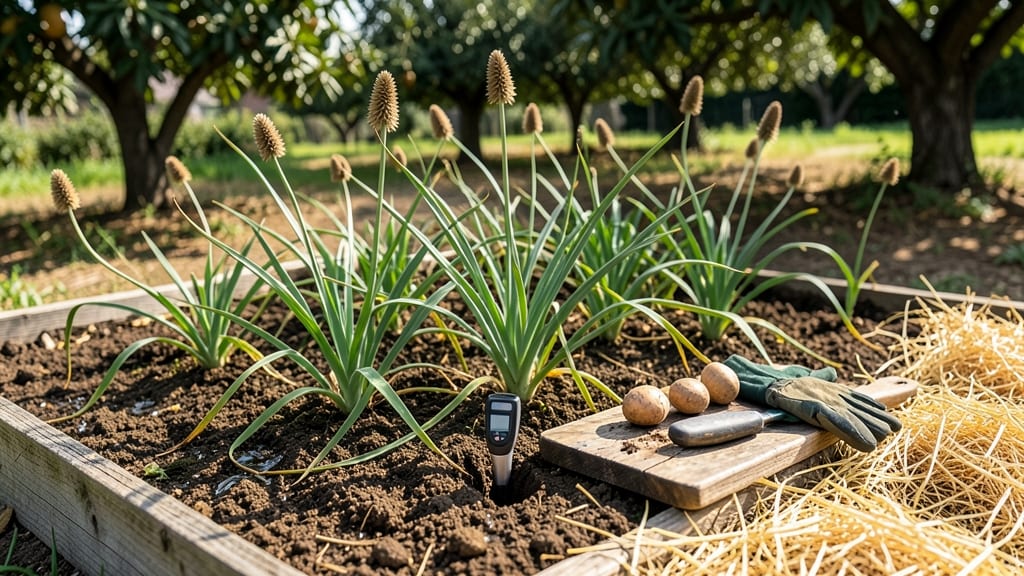
If you're dreaming of growing chufa—that nutty, tiger-nut treasure—when to plant chufa in Alabama is the first question to answer, and the answer lies in timing it perfectly.
Alabama’s warm climate is your secret weapon, but planting too early risks frost damage, while waiting too long might leave your crop struggling in the heat. The key? Locking in late March to early April, when soil temperatures hit that sweet 70-80°F range and frost-free days stretch ahead.
Most Alabama gardeners overlook one critical factor: regional microclimates. Huntsville’s cooler 7a zone demands patience, while Mobile’s balmy 8b soil warms faster. Whether you’re in the north or south, the last frost date—typically around March 15—is your cue to prep the ground.
Sandy, well-drained soil is non-negotiable for chufa’s tuber development, and Alabama’s humidity can turn a great plot into a soggy mess if you’re not careful.
Here’s the game-changer: chufa isn’t just a niche crop—it’s thriving in Alabama’s backyard gardens, from urban lots to rural farms. But skipping soil prep or ignoring temperature cues can mean wasted effort.
I’ll walk you through the exact steps to time your planting, from testing soil warmth to adjusting for Alabama’s unpredictable spring showers. Ready to turn your yard into a chufa goldmine? Let’s get started.
By the end of this guide, you’ll know exactly when to plant, how to prep your soil, and what to watch for as your 🌾 chufa tubers grow.
No more guesswork—just a foolproof plan tailored to Alabama’s unique growing conditions. Your harvest starts with the right timing, and I’ve got the details to make it happen.
Chufa planting timeline in Alabama: soil temperature & frost-free guidelines
Alabama’s USDA zones 7a-8b create perfect conditions for chufa (tiger nut) cultivation, but timing is everything. The ideal planting window spans from late March to early April, aligning with soil temperatures reaching 70-80°F and after the last frost date, which typically falls around March 15 in most regions.
Chufa thrives in Alabama’s warm, humid climate, but planting too early risks frost damage to young tubers, while waiting too long may shorten the growing season.
In northern Alabama (Huntsville), aim for April 1-15 due to later frost dates, while southern Alabama (Mobile) gardeners can start as early as mid-March.
Here’s how Alabama’s microclimates impact your planting schedule:
| Region | Last Frost Date | Ideal Planting Window | Soil Temp Requirement |
|---|---|---|---|
| North (Huntsville) | March 20-April 5 | April 1-15 | 70-80°F |
| Central (Birmingham) | March 10-20 | March 25-April 10 | 70-80°F |
| South (Mobile) | February 28-March 10 | Mid-March-April 1 | 70-80°F |
For maximum tuber development, chufa needs a 150-180 day growing season. Planting in late March ensures harvests by September-October, avoiding Alabama’s first frost, which typically arrives around November 15. Use a soil thermometer to confirm temperatures before planting—chufa won’t germinate well below 65°F.
Alabama’s humidity and heat accelerate growth, but consistent moisture is critical during the first 4-6 weeks after planting. In drier inland areas, consider drip irrigation to maintain even soil moisture without overwatering. Mulching with straw or pine needles helps retain moisture and regulate soil temperature.
If you’re in a warmer microclimate (e.g., near Mobile Bay), you can experiment with late-summer planting (June) for a fall harvest, but this requires extra vigilance against pests like nut weevils, which thrive in Alabama’s heat. Always monitor your crop closely during these off-season attempts.
Pro tip: Buy certified chufa tubers from Alabama-based nurseries like Alabama Nursery & Garden Center or Southern Exposure Seed Exchange to ensure they’re adapted to local conditions. Avoid store-bought tiger nuts for planting—they’re often treated to prevent sprouting.
Chufa’s shallow root system means it’s sensitive to soil compaction, common in Alabama’s clay-heavy soils. Amend your beds with sand or compost to improve drainage and aeration before planting. This prep work pays off with healthier tubers and higher yields.
Remember: Patience is key—chufa tubers take 3-4 months to mature. Resist the urge to harvest early, even if tops look dry. Wait until tubers reach 1 inch in diameter and feel firm for the best flavor and texture.
Chufa planting timeline in Alabama: soil temperature & frost-free guidelines
Alabama’s USDA zones 7a-8b create a perfect microclimate for chufa, but timing is everything. The ideal planting window spans from late March to early April, when soil temperatures consistently reach 70-80°F.
This warm soil triggers faster germination and tuber development, which is critical for Alabama’s 150-day growing season.
Most gardeners in Alabama make the mistake of planting too early, risking frost damage to tender sprouts. The average last frost date varies by region—March 15 in Huntsville’s cooler 7a zone, but as early as February 28 in Mobile’s balmy 8b climate.
Always wait until two weeks after your local last frost date to plant.
Here’s the game-changer: chufa thrives in Alabama’s humid summers, but it hates soggy soil. The key is planting when daytime temperatures stay above 65°F and nighttime lows don’t dip below 55°F. Use a soil thermometer to confirm—chufa won’t sprout until the soil hits 70°F.
Pro tip: If you’re in North Alabama, consider using black plastic mulch to warm the soil faster. This trick can shave 1-2 weeks off your planting timeline, giving your chufa a head start before Alabama’s summer heat kicks in.
For container growing, plant chufa in late April once daytime temps are stable above 75°F. Containers heat up faster, so monitor soil moisture closely—Alabama’s summer sun can dry them out in 2-3 days without proper watering.
Remember: chufa’s 150-day growing season means you must plant by mid-May to harvest before Alabama’s first frost in mid-November. Miss this window, and you’ll be left with half-baked tubers. Timing is your secret weapon—master it, and you’ll reap a bountiful harvest of tiger nuts. 🌾