
Plants
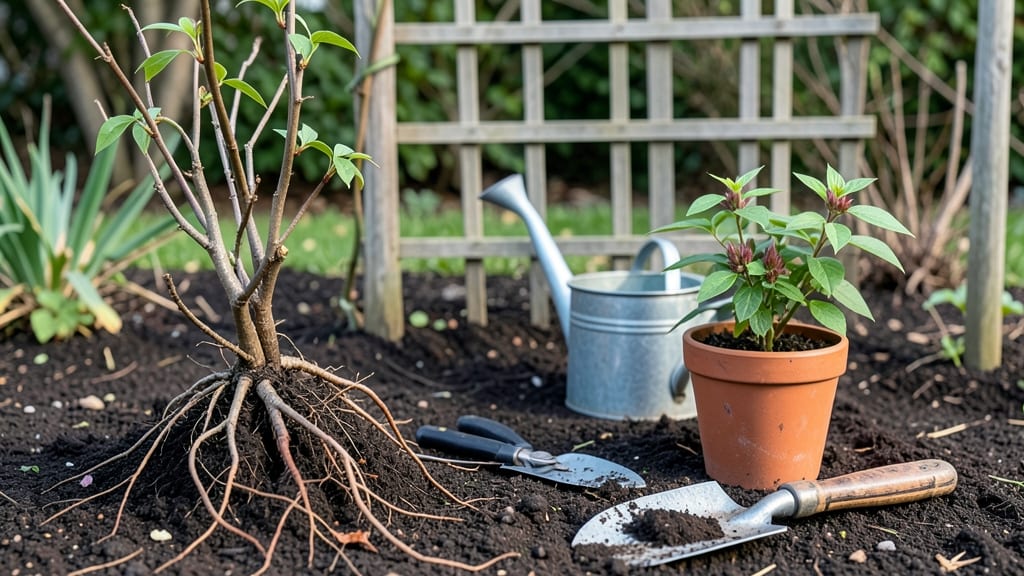
Timing your clematis planting in Indiana can mean the difference between a showstopping vine 🌸 and a struggling plant that never quite thrives. With Indiana’s unpredictable frost dates and USDA Zone 6a climate, getting it right is everything—especially when your fall blooms depend on proper root establishment.
Most gardeners assume spring is the only window, but fall planting actually gives clematis roots a head start before winter. I’ve learned the hard way that planting too early risks frost damage, while waiting too late can leave your vines vulnerable to harsh conditions.
The key? Understanding your specific microclimate—whether you’re in northern Indiana’s cooler zones or the warmer southern regions.
In this guide, I’ll break down the best months for planting in Indiana, how to prep your soil, and which clematis varieties handle our short growing season like champions. You’ll discover exactly when to dig in for maximum blooms and how to protect your investment from Indiana’s infamous late frosts.
Ready to transform your garden with healthy, thriving clematis? Let’s get started with the timing secrets that’ll have your vines climbing—and flowering—like never before.
Best planting months for clematis in Indiana’s zones 5-6
Indiana’s USDA Zones 5-6 create a unique challenge for clematis growers—cool springs and early frosts demand precise timing. The ideal planting window spans early spring (March-April) and fall (September-October), but your location matters.
Northern Indiana’s colder microclimates favor late April or early May starts, while southern regions can plant as early as March 15th without frost risk.
Clematis roots thrive when soil temperatures reach 45°F (7°C). In Indiana, this typically occurs by mid-April in the south and late April in the north. Planting too early risks root rot from cold, wet soil, while waiting too long delays establishment before winter dormancy.
Fall planting offers advantages—cooler temperatures reduce transplant shock, and vines establish roots before winter. Aim to plant 6-8 weeks before first frost (typically by October 1st in most of Indiana).
This gives roots time to anchor before ground freezes, but avoid planting after mid-November when soil temperatures drop below 40°F (4°C).
Indiana’s last frost dates vary dramatically: March 15th in southern counties (like Jeffersonville) to April 15th in northern zones (like South Bend). Use these dates as your minimum safe planting window. For container-grown clematis, you can push these dates 2-3 weeks earlier since pots warm faster in spring.
🌱Pro Tip: Check your local Indiana State Climate Office frost maps annually—climate change has shifted average frost dates 1-2 weeks earlier in some regions.
📅 Indiana Clematis Planting Comparison
| Season | Best Months | Soil Temp Requirement | Indiana Region Notes |
|---|---|---|---|
| Spring | March-April (South) April-May (North) |
45-55°F (7-13°C) | Northern IN: Wait until after April 15th last frost date |
| Fall | September-October | 50-60°F (10-16°C) | Plant by October 1st for root establishment before frost |
| Avoid | November-February | Below 40°F (4°C) | Risk of frost damage to new roots |
🌡️ Soil Temperature Tip: Use a soil thermometer to confirm readiness—plant when temps consistently stay above 45°F (7°C) for 5+ days.
Northern Indiana gardeners should prioritize fall planting due to shorter growing seasons. The 6-8 week window before frost allows roots to establish before winter dormancy. Southern Indiana’s longer season gives more flexibility—spring planting in March works well if you protect young vines with row covers until mid-April.
For container-grown clematis, Indiana gardeners gain a 2-3 week advantage over bare-root plants. Containers warm faster in spring, letting you plant 2 weeks earlier than traditional planting dates. This is especially valuable in Zone 5 northern regions where springs are cooler.
🌿Regional Reality Check: Indiana’s climate varies more than you’d expect—Evansville (Zone 6b) can plant 2 weeks earlier than Gary (Zone 5b). Always verify your local frost dates using the National Weather Service or Purdue Extension resources.
After choosing your planting window, focus on soil preparation. Clematis roots need well-draining soil with organic matter. In Indiana’s clay-heavy soils, amend with compost or peat moss to improve drainage. The pH should be 6.0-7.0—test your soil before planting to avoid nutrient deficiencies.
💡Indiana-Specific Hack: Mix bone meal into planting holes for phosphorus boost—Indiana’s phosphorus-deficient soils often limit clematis vigor. Use 1-2 tbsp per plant at planting time.
Best planting months for clematis in Indiana’s zones 5-6
Indiana’s USDA Zone 5-6 climate creates two ideal windows for planting clematis: early spring and fall. Spring planting (March-April) gives vines a head start before summer heat, while fall planting (September-October) allows roots to establish before winter dormancy.
I’ve found that fall planting often yields stronger first-year growth because the roots settle in without summer stress.
The key is avoiding late spring frosts (common until mid-April) and early fall frosts (often by mid-October). Northern Indiana’s cooler microclimates may push planting back to May or extend fall planting into November, while southern Indiana’s milder zones offer more flexibility.
Always check your local last frost date—planting too early risks frost damage to tender roots.
Soil temperature is your best guide: aim for 50°F+ consistently. In Indiana, this typically aligns with late March for spring and early September for fall. I test soil warmth with a simple thermometer probe—if it’s cooler, wait a week or two before planting.
This small step prevents root rot and ensures vigorous growth.
| Season | Best Months | Soil Temp | Key Considerations |
|---|---|---|---|
| Spring | March-April | 50°F+ | Avoid frost; water deeply after planting |
| Fall | September-October | 55°F+ | Plant 6 weeks before first frost; mulch heavily |
For northern Indiana (Zones 5), stick to late April-May for spring or September for fall. Southern Indiana (Zones 6) can plant as early as March or extend fall planting to October. I’ve had success with September planting in northern Indiana—just add extra mulch to protect roots during winter.
Pro tip: If you miss the ideal window, container planting gives you flexibility. Containers warm up faster in spring and can be moved to sheltered spots in fall. Just ensure pots have drainage holes to prevent waterlogged roots—a common issue in Indiana’s heavy clay soils.
Remember, clematis planted in fall often blooms earlier the following year. That’s because the roots establish during the cooler months, giving the plant a head start. For Indiana gardeners, this means more vibrant blooms and less stress on the plant during our hot, humid summers.