
Plants
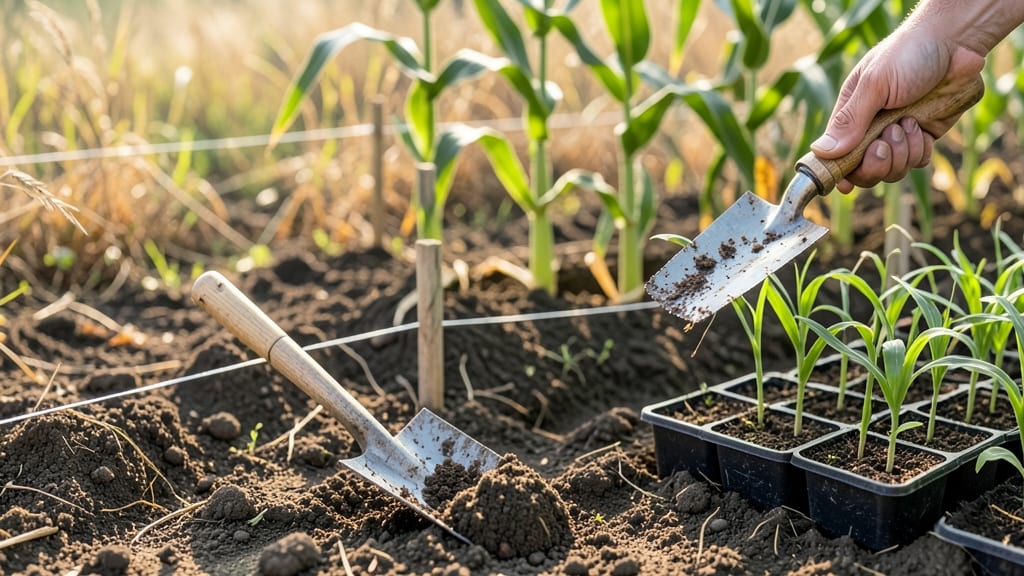
Timing your 🌽 corn planting in Northeast Ohio could mean the difference between a bumper crop and a disappointing harvest. With our short growing season and unpredictable spring weather, getting those seeds in the ground at the right moment is absolutely critical.
Most gardeners in USDA Zone 6a aim to plant between mid-April and mid-May, but that window can shift dramatically depending on soil temperatures and frost risks. The key is waiting until the soil reaches at least 60°F—that's when those little seeds finally wake up and start growing.
I've learned the hard way that planting too early can lead to frost damage, while waiting too long might mean your corn never matures before fall. That's why I'm sharing my proven strategies for reading your local weather patterns and adjusting your planting schedule accordingly.
Whether you're growing sweet corn for summer meals or dent corn for fall storage, getting this timing right will give you the best chance at a successful harvest from late July through September. Let's dive into exactly how to make it happen in your garden.
Optimal soil temperature and frost-free dates for planting corn in Northeast Ohio
Corn thrives when planted in warm soil, but Northeast Ohio’s cool springs can delay germination. The sweet spot for planting is when soil temperatures reach 50-60°F (10-15°C) at least 1 inch deep.
Cold soil slows growth, while soil too warm can stress seedlings. In my garden, I use a soil thermometer to track temps—it’s the only way to avoid guessing.
Northeast Ohio spans USDA zones 5b-6a, meaning frost dates vary by region. Cleveland typically sees its last frost around April 15, while Youngstown may wait until April 25.
Akron falls in between. To find your local frost-free date, check the National Weather Service or your county’s agricultural extension office—they publish updated averages yearly.
Planting too early risks frost damage, but waiting too long shortens the growing season. Corn needs 90-120 days to mature, so late plantings may not yield fully developed ears. I always aim for mid-April to mid-May, adjusting based on soil warmth and weather forecasts.
For example, if April stays chilly, I’ll hold off until late May for mid-season varieties like 'Silver Queen'.
| Region | Avg. Last Frost | Ideal Planting Window | Soil Temp Goal |
|---|---|---|---|
| Cleveland | April 15 | Late April–Early May | 50–60°F (10–15°C) |
| Akron | April 20 | Early–Mid May | 50–60°F (10–15°C) |
| Youngstown | April 25 | Mid–Late May | 50–60°F (10–15°C) |
| Urban Gardens (e.g., Columbus) | April 10 | Late April–Early May | 50–60°F (10–15°C) |
If you’re unsure about your soil temperature, try the finger test: Stick your finger into the soil. If it feels warm but not hot (like a bath on a cool day), it’s likely ready.
For extra warmth, cover the soil with black plastic mulch a week before planting—this raises soil temps by 5-10°F and speeds up germination. I’ve seen corn pop up in just 5-7 days with this trick!
Another pro tip: Use a planting calendar from your local agricultural extension. They often include heat unit accumulations, which predict when corn will mature based on your region’s climate.
For Northeast Ohio, aim for 2,200-2,800 growing degree days (GDD) for most varieties. Tools like the Corn GDD Calculator from Ohio State University make this easy.
For early varieties like 'Early Sunglow' (65 days to maturity), you can push the envelope and plant as early as late March under row covers. But be prepared to protect seedlings with frost cloth if nights dip below 32°F (0°C).
I’ve had success with this method, but it requires vigilance—one late frost can wipe out weeks of progress.
Remember, soil temperature matters more than air temperature. A sunny 70°F (21°C) day with 40°F (4°C) soil won’t help your corn. Always check below the surface. If your soil is still cold in May, consider staggered planting with shorter-season varieties to spread out your harvest.
Finally, keep an eye on weather forecasts in the days leading up to planting. A 5-day outlook predicting warm, dry conditions is ideal. If rain is forecasted, wait—corn seeds need consistent moisture to germinate, but waterlogged soil can rot them.
I once planted during a downpour and lost half my seeds to fungal issues.
With the right timing, you’ll have tall, healthy cornstalks ready for harvest by late summer. And nothing beats the taste of corn grown in Northeast Ohio’s rich soil—just don’t skip the soil temp check! 🌽
How to adjust planting dates based on corn variety and microclimate in Northeast Ohio
Not all corn is created equal—and in Northeast Ohio, choosing the right corn variety can mean the difference between a thriving crop and a failed experiment. Early-season varieties like 'Golden Bantam' (60-day maturity) can handle cooler soils, while late-season favorites like 'Silver Queen' (90-day maturity) need a longer growing window.
My rule of thumb? Match your variety to your last frost date and microclimate.
For example, if you're in Cleveland's urban heat islands, you might push planting dates slightly earlier than rural areas in Youngstown's cooler valleys. Elevation also plays a role—gardens at 1,000+ feet often have 2-3 weeks later frost risks than valley floors.
I always check my local Cooperative Extension Service reports to fine-tune these adjustments.
Here’s how I adjust planting windows for different scenarios in Northeast Ohio:
| Variety Type | Maturity Days | Best Planting Window | Microclimate Adjustments |
|---|---|---|---|
| Early (e.g., 'Golden Bantam') | 60-75 days | Late April to early May | Urban areas: Plant 1 week earlier; valleys: wait until soil hits 55°F |
| Mid-Season (e.g., 'Peaches and Cream') | 80-90 days | Mid-May to early June | Elevated gardens: delay by 10-14 days; lowlands: plant by May 15 |
| Late (e.g., 'Silver Queen') | 90-120 days | Early May to mid-May | Only for warm microclimates; use black plastic mulch to extend season |
| Dwarf (e.g., 'Tom Thumb') | 70-85 days | Late April to early June | Great for containers; plant 2 weeks later in cool microclimates |
One of my biggest lessons? Staggered planting is your best friend in Northeast Ohio’s unpredictable climate. I always plant 3-4 weeks apart to ensure a continuous harvest. For example, I’ll start with early varieties in late April, then add mid-season types in early May, and finally late varieties in mid-May.
This way, even if an early frost hits, I’ll still have some ears ready for harvest.
For urban gardeners with limited space, I recommend focusing on bush corn varieties like 'Miracle' or 'Ambrosia'. These don’t need as much room and mature faster, making them perfect for small yards or container growing.
Just be sure to choose varieties with shorter stalks (5-6 feet) to avoid shading other plants.
Remember, soil temperature is just as critical as air temperature. I always use a soil thermometer to confirm the ground has warmed to at least 60°F before planting.
In my experience, waiting an extra week for ideal conditions beats rushing seeds into cold soil. Your corn will thank you with stronger stalks and better yields.