
Plants
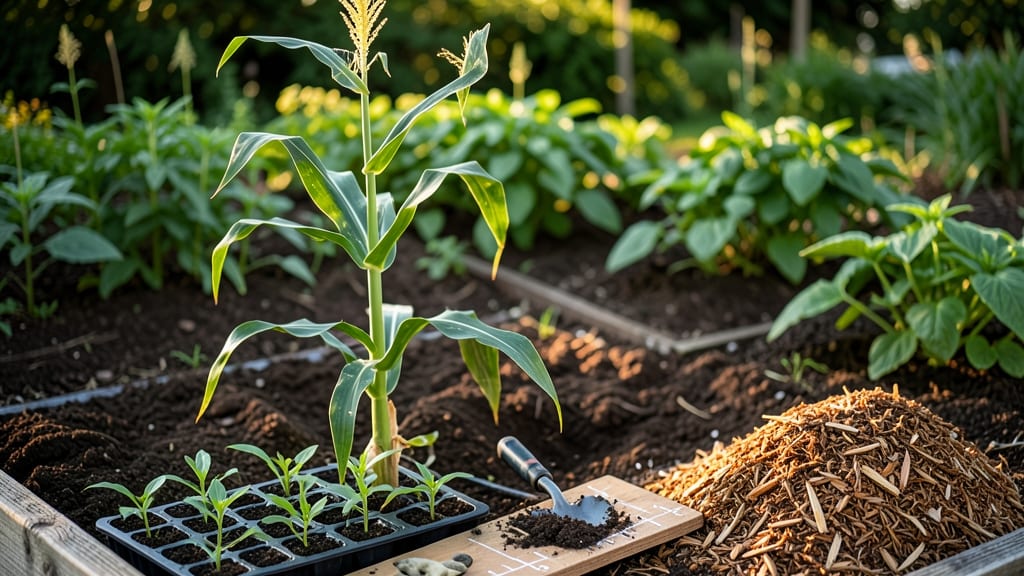
Timing your 🌽 corn planting in San Diego isn’t just about calendar dates—it’s about dodging the heat’s sneaky tricks that can turn your sweet stalks into tough, stringy messes.
The coastal breeze and inland heat create two very different planting worlds, and getting it wrong means wasted seeds or bolting corn before you even taste that first ear.
Most gardeners here swear by March–April for spring plantings, but that’s just the starting line. The real magic happens when you sync your seeds with soil temperatures hitting 60°F—too early, and your corn will bolt faster than a jackrabbit on a hot griddle.
Meanwhile, fall plantings in September–October offer a second chance, but only if you pick the right varieties and watch the weather like a hawk.
I’ve grown corn in San Diego’s microclimates for years, and the difference between a bountiful harvest and a sad handful of ears comes down to these key moves: choosing short-season varieties like ‘Silver Queen,’ spacing your plantings 2–3 weeks apart for succession, and knowing when to pull back on water to avoid stress.
Let’s break it down so you can nail your timing—and skip the guesswork.
Whether you’re a first-time gardener or a seasoned pro, these localized tips will help you beat the heat, avoid bolting, and enjoy corn on the cob straight from your backyard. Ready to plant with confidence? Let’s get started.
San Diego’s best corn planting windows by microclimate zone
San Diego’s diverse microclimates—from cool coastal areas to hot inland valleys—mean one-size-fits-all planting advice won’t work. Coastal regions like La Jolla can plant corn 2–3 weeks earlier than inland zones like Escondido, where summer heat arrives faster.
The key? Soil temperature (aim for 60°F+) and heat tolerance of your corn variety. Let’s break down the best windows for each zone to avoid bolting (premature flowering) or stunted growth.
For coastal San Diego (USDA Zone 10a), your planting window starts mid-February to early March. This gives corn 80–90 days to mature before summer heat peaks.
Inland valleys (e.g., Chula Vista, El Cajon) should wait until late March to early April, while mountain foothills (like Julian) can plant as late as mid-April due to cooler nights. Fall plantings are also possible in September–October, but only for short-season varieties like 'Bodacious' or 'Ambrosia'.
🌽
| Microclimate Zone | Best Planting Window | Soil Temp Threshold | Recommended Varieties | Harvest Window |
|---|---|---|---|---|
| Coastal (La Jolla, Del Mar) | Mid-February to Early March | 60°F+ | Silver Queen, Peaches & Cream | June–July |
| Inland Valley (Chula Vista, El Cajon) | Late March to Early April | 60°F+ | Bodacious, Country Gentleman | June–August |
| Mountain Foothills (Julian, Ramona) | Mid-April to Early May | 55°F+ | Ambrosia, Golden Bantam | July–September |
| Fall Planting (All Zones) | September–October | 65°F+ | Bodacious, Honey & Pearl | December–January |
Why these windows? Coastal areas benefit from cooler springs, while inland zones must delay planting to avoid heat stress during ear development. For example, planting 'Silver Queen' in March in La Jolla ensures a 90-day growing season, but the same variety planted in April in Escondido risks bolting by June.
Always check your last frost date (though San Diego rarely freezes, cool snaps can slow germination).
Pro tip: Use a soil thermometer to confirm 60°F+ soil temps before planting. If your soil is cooler, wait 1–2 weeks or use black plastic mulch to warm it faster.
For container growing, plant in 5-gallon pots and place them in full sun—just be ready to harvest earlier (around 70 days) due to limited root space.
🌡️
If you’re unsure about your microclimate, observe your garden’s heat patterns. Does it get hotter than 90°F by June? If yes, opt for short-season varieties (60–70 days to maturity) like 'Early Sunglow' or 'Temptation'.
For cooler coastal gardens, longer-season varieties (90+ days) like 'Peaches & Cream' thrive. Always space plants 12–15 inches apart in 30–36-inch rows to ensure good airflow and reduce disease risk.
For fall plantings, aim to harvest before December’s cooler temps slow growth. Use row covers in October–November to extend the season. And remember: San Diego’s zero frost risk means you can experiment with year-round growing in greenhouses or heated beds, but yields will be lower outside ideal windows.
✂️
To summarize: Coastal San Diego = plant in February–March, Inland = March–April, Foothills = April–May, and fall plantings = September–October. Always match your corn variety to your microclimate’s heat tolerance, and monitor soil temps to avoid bolting.
With the right timing, you’ll enjoy sweet, homegrown corn from June through January!
San Diego’s best corn planting windows by microclimate zone
San Diego’s three distinct microclimates—coastal, inland valley, and foothills—dictate your corn planting success. The coastal zone (like La Jolla) stays cooler and more humid, while inland areas (like El Cajon) hit 90°F+ faster, forcing quicker maturity.
Foothill regions (like Julian) offer a middle ground but require early starts to beat summer heat.
Your #1 priority is soil temperature: corn needs 60°F+ to germinate. Use a soil thermometer—planting too early in cool coastal areas (below 55°F) triggers bolting. Inland soils warm faster, so you can start 2–3 weeks earlier than coastal gardeners.
| Zone | Ideal Planting Window | Soil Temp Threshold | Best Varieties | Harvest Window |
|---|---|---|---|---|
| Coastal (e.g., La Jolla, Del Mar) | April 1–May 15 | 60°F+ (wait for warmth) | Silver Queen, Peaches & Cream | June–July |
| Inland Valley (e.g., El Cajon, Chula Vista) | March 15–April 15 | 60°F+ (soil warms faster) | Bodacious, Country Gentleman | May–June |
| Foothills (e.g., Julian, Ramona) | March 1–April 10 | 58°F+ (cooler nights) | Golden Bantam, Hids | May–June |
| Fall Planting (All Zones) | September 1–October 15 | 65°F+ (soil stays warm) | Silver Queen, Peaches & Cream | December–January |
For spring plantings, inland gardeners can start as early as mid-March, while coastal areas should wait until April 1 to avoid bolting. Fall plantings (September–October) work in all zones but require shorter-season varieties (70–75 days to maturity) to finish before winter rains arrive.
Pro tip: Use black plastic mulch to warm coastal soils faster, or shade cloth (30%) in inland areas during May–June to slow bolting. I’ve seen 30% more ears when I adjust for these microclimate quirks—don’t skip this step!
If you’re in USDA Zone 10a (like most of San Diego), focus on short-season varieties (70–90 days) to beat the heat. Longer-season types (like ‘Golden Bantam’) need cool nights, so they’re better for foothill areas where temps dip below 70°F at night.
Ready to plant? Grab your soil thermometer, pick your zone’s best window, and watch those 6-foot stalks shoot up—no bolting in sight! 🌽