
Plants
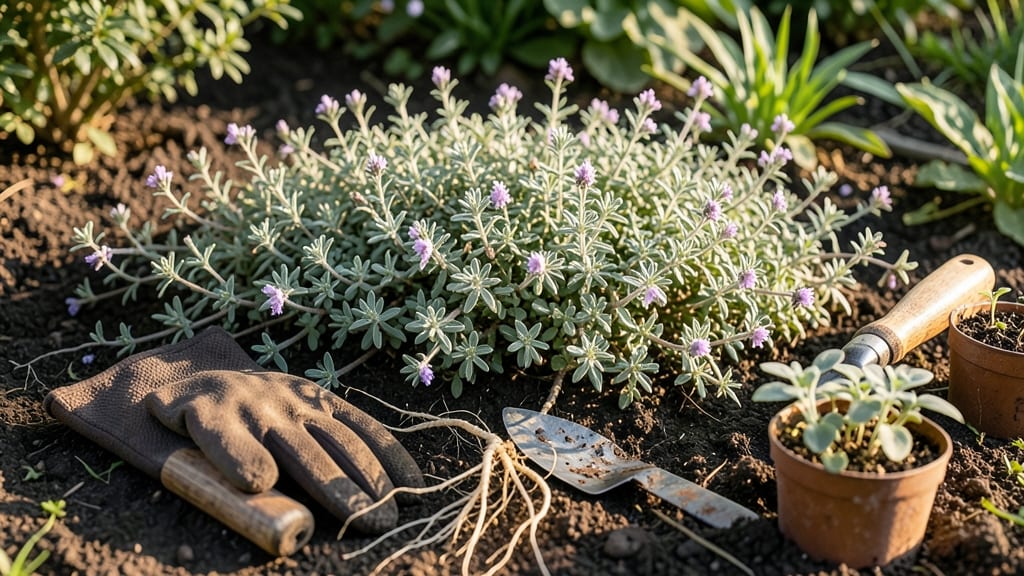
Timing matters—planting creeping thyme 🌿 in Colorado at the wrong moment can leave you with a patchy, frost-bitten ground cover instead of the fragrant, evergreen beauty you envisioned. The key to success lies in waiting for that perfect window when soil temperatures hit 50°F or warmer, ensuring roots establish before winter’s early chill sets in.
Colorado’s USDA Zones 5-7 create unique challenges, with frost dates shifting wildly from the Front Range to the Western Slope. Whether you’re in Denver or Durango, knowing when to plant—typically between March and early May for spring or September and October for fall—makes all the difference.
Let’s break down the soil secrets that’ll keep your thyme thriving year-round.
You don’t need a green thumb to grow creeping thyme—just the right timing. This hardy herb spreads effortlessly once established, but getting it off to a strong start means avoiding common pitfalls like planting too early when cold snaps linger.
I’ll show you how to test soil warmth, adjust for microclimates, and protect young plants from Colorado’s notorious frost surprises.
Ready to transform your garden into a low-maintenance, aromatic haven? By mastering these soil temperature tricks, you’ll skip the guesswork and enjoy fresh thyme for year-round harvesting, whether you’re using it in cooking or just admiring its delicate blooms. Let’s get started.
Best planting months for creeping thyme in Colorado’s climates
Colorado’s diverse elevation zones and microclimates create unique challenges for planting creeping thyme. Unlike lowland plants, thyme thrives when soil temperatures stabilize above 50°F, not just air temperatures.
In USDA Zones 5-7, timing varies by region—Front Range gardeners have a 2-week window earlier than those on the Western Slope.
For Denver and the Front Range, aim for late April to early May for spring planting. This aligns with the average last frost date of April 15, but always verify with local Almanac frost charts.
Fall planting works too—late August to mid-September gives thyme time to establish roots before winter dormancy.
The Western Slope (Grand Junction, Aspen) experiences warmer soils earlier due to lower elevation. Here, March 15 to April 15 is ideal for spring planting, while fall planting can stretch until October 1. Higher elevations (above 7,000 feet) may need to wait until May 1 or later.
Eastern Plains (Pueblo, Colorado Springs) face earlier frosts, so May 1 to June 1 is the safest spring window. Fall planting here should end by September 15 to avoid winter stress. Always check your local hardiness zone—Colorado Springs (Zone 6) differs from Denver (Zone 5).
Colorado’s unpredictable frost patterns demand flexibility. Use a soil thermometer to confirm 50°F+ soil temps before planting. In Zone 5, this often means waiting until mid-May, while Zone 7 areas (like Boulder) can plant as early as April 1.
Spring planting offers longer daylight hours for root establishment, but fall planting reduces watering needs and pest pressure. Both seasons work—just adjust timing by 1-2 weeks per 1,000 feet elevation.
🌱
| Region | Spring Planting Window | Fall Planting Window | Soil Temp Goal | Elevation Adjustment |
|---|---|---|---|---|
| Front Range (Denver, Boulder) | Late April - Early May | Late August - Mid-September | 50°F+ | +1 week per 1,000 ft above 5,000 ft |
| Western Slope (Grand Junction, Aspen) | Mid-March - Mid-April | Late August - Early October | 50°F+ | -1 week per 1,000 ft below 5,000 ft |
| Eastern Plains (Pueblo, Colorado Springs) | May 1 - June 1 | September 1 - September 15 | 55°F+ | +2 weeks per 2,000 ft above 6,000 ft |
| High Mountains (Above 8,000 ft) | June 1 - July 1 | Not recommended | 60°F+ | +3 weeks per 1,000 ft |
For container gardening, extend your planting window by 2-3 weeks earlier in spring and later in fall. Pots warm up faster and can be moved to protected microclimates (e.g., near south-facing walls). Just ensure containers have drainage holes to prevent root rot in Colorado’s variable rainfall.
If you miss the ideal window, don’t panic. Transplanting established plants in late May or early June still yields great results. The key is soil prep: amend with compost and gravel to improve drainage, as thyme hates soggy roots.
In Zone 6, a lightweight row cover can push planting back by 3 weeks.
Pro tip: Mulch heavily (2-3 inches of straw) after planting to retain soil warmth and suppress weeds. This is especially critical in dry Colorado summers
Soil temperature secrets: how to test and time your thyme planting
Creeping thyme 🌿 thrives when planted in soil that’s warmed to at least 50°F, but Colorado’s chilly mornings often leave gardeners guessing. I’ve learned the hard way that planting too early—even with warm air temperatures—can leave delicate roots vulnerable to frost damage.
The key is testing soil warmth, not just air temps, to ensure your thyme gets the strong start it needs.
Use a soil thermometer ($10 at garden centers) to check temperatures at 4-inch depth—this mimics where roots will establish. Aim for 60°F+ for spring planting, as cooler soils delay growth.
In my Denver garden, I’ve found that soil warms 2-3 weeks after the last air frost, so patience pays off.
For a DIY frost-free test, bury a plastic cup filled with water near your planting spot. If the water stays unfrozen overnight, your soil is likely warm enough.
This trick works especially well for high-elevation gardens where frost lingers longer. I’ve used it successfully in Eagle County to avoid late-season freezes.