
Plants
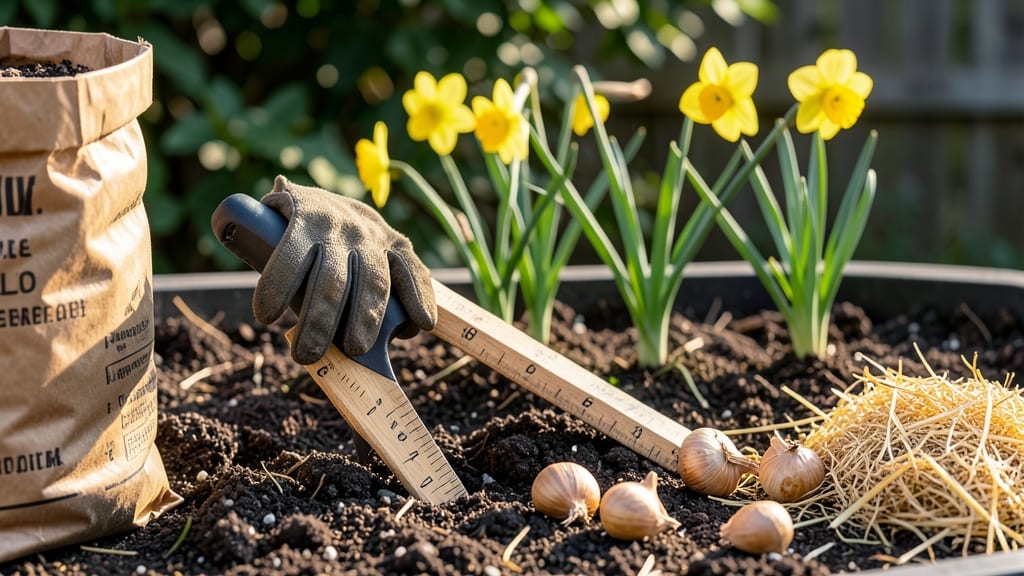
Planting daffodil bulbs in Alabama at the wrong time can mean the difference between a vibrant spring display and wasted effort. The key window—October through December—aligns perfectly with Alabama’s 7b-8b climate, where soil temperatures drop into the ideal 50-60°F range and frost isn’t yet a threat.
I’ve seen too many gardeners rush planting before the ground cools, only to watch their bulbs rot. Or worse, delay too long and miss the frost-free timeline, leaving them with weak roots that struggle to bloom.
Getting this right isn’t just about the calendar—it’s about understanding soil conditions and local microclimates that can shift even within the same county.
In this guide, I’ll break down the exact planting timeline for North vs. South Alabama, soil prep secrets to prevent rot, and the 5 signs you’re planting at the wrong time.
Whether you’re a first-time gardener or a seasoned pro, these tips will help you maximize blooms and avoid common mistakes that derail even the best-laid plans.
Ready to transform your yard into a sea of cheerful 🌼 next spring? Let’s dive into the foolproof steps that’ll have your daffodils thriving—no guesswork required.
Best planting months for daffodils in Alabama (soil temp & frost timeline)
Alabama’s USDA zones 7b-8b create a unique window for planting daffodil bulbs—too early, and they’ll rot in warm soil; too late, and they won’t establish roots before winter.
The ideal soil temperature for planting is between 50-60°F, which typically aligns with October through December across most of the state.
North Alabama (higher elevations like Huntsville) tends to freeze earlier, while South Alabama (Mobile, Birmingham) enjoys a longer planting window. Understanding your last frost date—usually around mid-November—helps time your planting perfectly.
Aim to plant 4-6 weeks before the ground freezes to give bulbs time to root without sprouting prematurely.
Here’s how Alabama’s regions compare for planting timing, soil conditions, and frost risks:
For North Alabama gardeners, focus on planting by November 1 to ensure bulbs establish roots before the ground freezes. In Central Alabama, you have flexibility until early December, while South Alabama can even plant into mid-December if soil temperatures remain above 50°F.
Use a soil thermometer to confirm—daffodils hate soggy, warm soil.
Pro tip: If your soil hasn’t cooled below 60°F by October, wait! Use black plastic mulch or shade cloth to cool the soil faster if needed. This prevents premature sprouting, which weakens bulbs before winter.
Once planted, mulch with 2-3 inches of straw to insulate bulbs from temperature swings. This is especially critical in North Alabama, where sudden cold snaps can damage newly planted bulbs. Mulch also suppresses weeds, giving your daffodils a head start in spring.
Remember, daffodil bulbs need 12-15 weeks of cold dormancy to bloom reliably. Planting too late (after December 15) risks shallow root growth, leading to fewer or weaker flowers next spring. Mark your calendar now—October is the sweet spot for most Alabama gardeners!
For extra peace of mind, check the Alabama Cooperative Extension System for your county’s specific frost dates. Their local data often accounts for microclimates that general zones miss. Happy planting!
How to prepare Alabama soil for daffodil bulbs (drainage & fertilizer tips)
Alabama’s clay-heavy soil can be a daffodil’s worst enemy—too much moisture leads to bulb rot, while poor nutrition stunts growth. The secret to thriving daffodils starts with well-draining soil and the right fertilizer schedule.
I’ve learned the hard way that skipping soil prep means weak blooms or worse, lost bulbs entirely.
First, test your soil’s drainage by digging a 6-inch hole and filling it with water. If it drains in under an hour, you’re good. If not, amend with compost or sand to improve airflow.
Alabama’s USDA zones 7b-8b often have compacted clay, so don’t skip this step—daffodils despise soggy roots.
Next, enrich the soil with organic matter. Work in 2-3 inches of compost or well-rotted manure into the top 12 inches of soil. This improves structure while providing slow-release nutrients daffodils crave. For heavy clay, mix in coarse sand or perlite to prevent waterlogging.
When it comes to fertilizer, timing matters. Avoid high-nitrogen feeds in fall—they encourage leafy growth at the expense of blooms. Instead, use a balanced 10-10-10 fertilizer at planting (1 tbsp per bulb) and again in early spring when shoots emerge.
This gives bulbs the phosphorus and potassium they need for strong roots and vibrant flowers.
For South Alabama gardeners with warmer winters, hold off on fertilizing until late winter (February). In North Alabama, apply fertilizer in early March when soil thaws. Both regions benefit from a light top-dressing of compost in fall to replenish nutrients after blooming.
One mistake I see often? Over-fertilizing in fall. Daffodils store energy in their bulbs—too much nitrogen now leads to soft, weak growth that freezes. Stick to low doses and focus on drainage and organic matter first. Your bulbs will thank you with bigger, brighter blooms next spring.
Pro tip: Mix bone meal (3-4-0) into planting holes for an extra phosphorus boost. This promotes root development during dormancy, setting the stage for healthier spring growth. Just remember—less is more with fertilizers. Daffodils are tough but not greedy!