
Plants
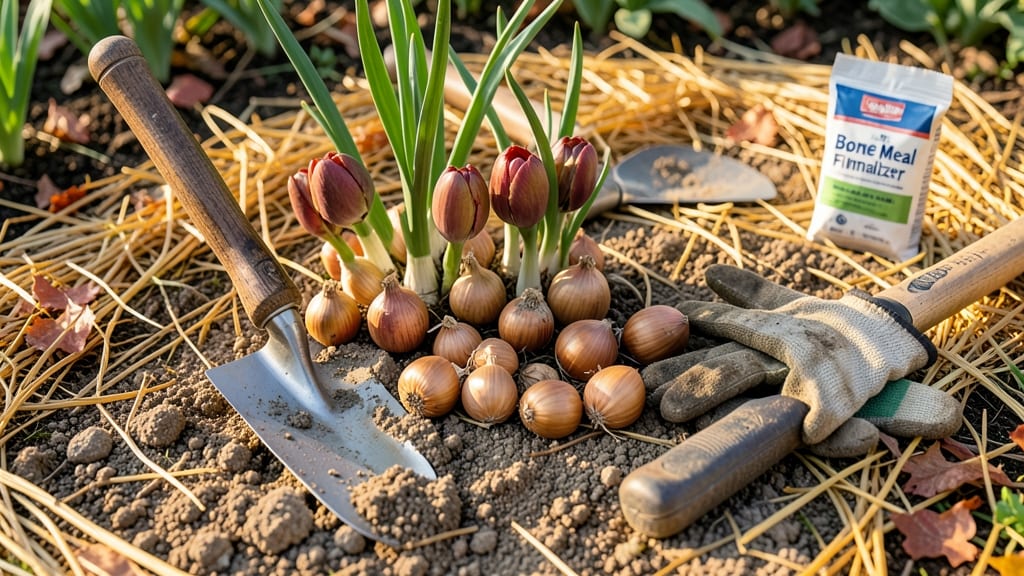
If you've ever stared at a bag of Fall Bulbs (e.g., Tulips, Daffodils, Crocus) 🌷 wondering, "When to plant fall bulbs in Zone 4?"—you're not alone. Getting the timing wrong means either frozen bulbs or blooms that arrive late next spring, leaving you frustrated and your garden looking lackluster.
The key to success lies in planting 6-8 weeks before the ground freezes, typically between mid-October and November in Zone 4. This window ensures bulbs establish roots before winter sets in, so they wake up strong and vibrant in late spring.
But here's the catch: early frosts or late planting can throw off even the best-laid plans.
In this guide, I’ll break down the exact weeks to plant, how to adjust for unpredictable weather, and which bulbs thrive best in Zone 4’s chilly climate. No more guesswork—just a foolproof schedule to turn your garden into a burst of color next spring.
Ready to skip the trial-and-error? Let’s dive into the game-changer for planting fall bulbs like a pro.
Zone 4 fall bulb planting timeline: exact weeks by month
Mastering the Zone 4 fall bulb planting schedule means knowing your first frost date and soil temperatures. In Zone 4, the ideal planting window spans from mid-October to mid-November, but exact timing depends on your specific location.
The golden rule? Plant 6-8 weeks before the ground freezes—this gives roots time to establish before winter dormancy.
For most of Zone 4, this translates to late September to early November. However, gardeners in northern Zone 4 (like Minnesota or northern Michigan) should aim for early October, while those in southern Zone 4 (like northern Indiana or Ohio) can plant until mid-November.
Check your USDA Plant Hardiness Zone map for precise local guidance.
Soil temperature is your best indicator. Bulbs need 60°F soil to start rooting, but they’ll survive brief cold snaps once planted. Use a soil thermometer to confirm—if temps drop below 50°F consistently, it’s time to plant. In Zone 4, this usually happens by mid-October.
Here’s your month-by-month breakdown for Zone 4, accounting for regional variations:
| Month | Ideal Planting Window | Soil Temp Goal | Key Notes |
|---|---|---|---|
| Late September | Southern Zone 4 only | 60-65°F | Risk of early frost; prioritize cold-hardy bulbs. |
| October (1st-15th) | Best for all Zone 4 | 55-60°F | Optimal time for tulips, daffodils, and crocuses. |
| October (16th-31st) | Northern Zone 4 | 50-55°F | Last chance for reliable root growth before frost. |
| November (1st-15th) | Southern Zone 4 only | 45-50°F | Risk of late planting; bulbs may bloom later. |
Pro tip: If you’re unsure about your frost date, use the National Weather Service’s frost calendar or ask your local cooperative extension office. They’ll provide hyperlocal data tailored to your county.
For example, Detroit (Zone 6a) might plant later than Duluth (Zone 3b), even though both are in Zone 4’s broader region.
Planting too early? Bulbs may sprout and die in a late frost. Too late? They won’t establish roots before winter, leading to weak or no blooms next spring.
The 6-week rule is your safety net—count backward from your average first frost date (usually mid-September in Zone 4) to lock in your planting window.
For container gardening, follow the same timeline but use well-draining potting mix and place pots in a protected location (like a garage or insulated box) if frost threatens. Bulbs in containers are more vulnerable to freeze-thaw cycles than those in the ground.
Once planted, mulch heavily with 3-4 inches of straw or leaves to insulate bulbs from temperature swings. This extra layer can push your planting window 1-2 weeks later in marginal conditions. Just
Timing isn’t just about the calendar—it’s about reading your garden’s cues. Watch for soil moisture, leaf drop from trees, and local weather forecasts. When you see mums blooming and chrysanthemums fading, it’s your signal that bulb planting season is here.
Zone 4 fall bulb planting timeline: exact weeks by month
Planting fall bulbs in Zone 4 means working with a tight schedule—too early, and bulbs may rot in warm soil; too late, and they won’t root before frost. The ideal window is 6-8 weeks before the ground freezes, typically between mid-October and early November in most of Zone 4.
This ensures roots establish before winter dormancy kicks in.
But timing varies slightly by location. Northern Zone 4 (e.g., Duluth, MN) may need to plant by early October, while southern areas (e.g., Chicago, IL) can stretch into mid-November. The key is soil temperature: bulbs need 40–50°F soil to root successfully.
Here’s the breakdown by month to maximize your success:
| Month | Planting Window | Soil Temp Goal | Notes |
|---|---|---|---|
| September | Early (Northern Zone 4) | 50–60°F | Risky; only for early frosts |
| October | Ideal: Mid-October | 40–50°F | Best for most of Zone 4 |
| November | Early November (Southern Zone 4) | 35–45°F | Last chance before frost |
| December | Not recommended | N/A | Bulbs won’t root in time |
Pro tip: Use a soil thermometer to check temperatures. If soil is above 50°F, wait a few weeks—warm soil can cause bulbs to sprout too early and get fried by frost. For extra insurance, plant daffodils or alliums, which handle late planting better than tulips.
After planting, mulch with 2–3 inches of straw to insulate bulbs from temperature swings. This simple step can mean the difference between frost-damaged and vibrant spring blooms. Just remember: mulch in fall, not spring—bulbs need to dry out before new growth starts.
Missed the window? Don’t panic. Some bulbs, like snowdrops or crocuses, can handle planting into early December if soil isn’t frozen. But for the best results, stick to the October–November sweet spot.