
Plants
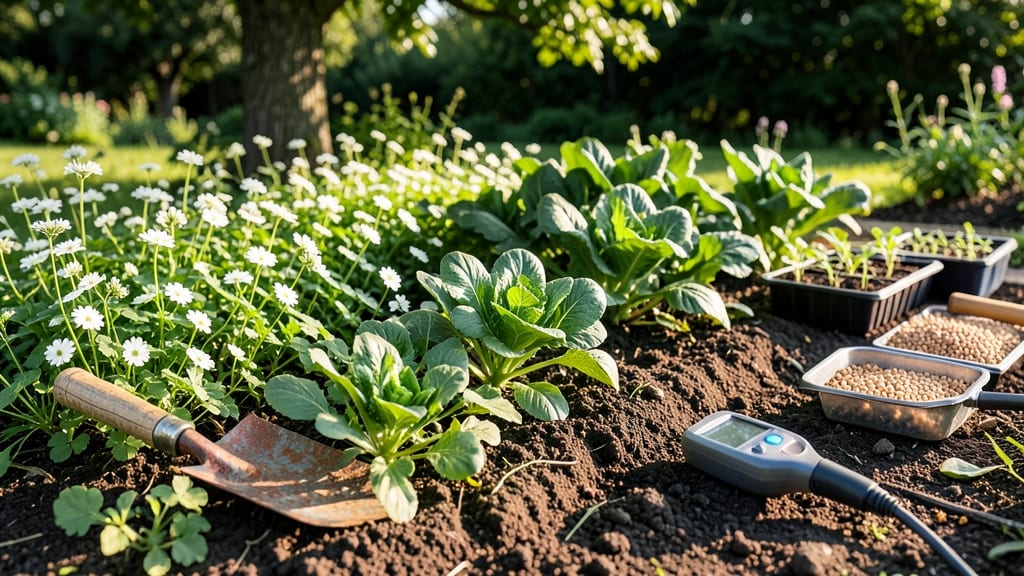
Timing when to plant food plots in Alabama wrong could mean missing the entire whitetail season—because a few weeks off can turn a lush buffet into a deer-free zone.
The key isn’t just planting when but understanding how Alabama’s USDA Zones 6-8 and unpredictable weather dictate the perfect window for maximum deer activity.
I’ve spent years tracking local frost dates and soil temps across Alabama’s four deer regions, and what I’ve learned is that spring planting (March-April) and fall seeding (August-September) are non-negotiable for peak results.
Whether you’re growing clover for early-season browsers or brassicas for late-fall rut, the right timing ensures your plot thrives when deer are hungriest.
Here’s the game-changer: Alabama’s humidity and heat demand precise adjustments—like planting warm-season mixes earlier in the North than the Black Belt. I’ll break down the exact months by county, soil prep secrets, and the best crops to attract deer year-round, so you never miss another feeding opportunity.
Ready to transform your property into a whitetail magnet? Let’s dive into the exact planting schedule that’ll have bucks visiting your plots like clockwork—no guesswork, just proven results for Alabama hunters.
Alabama food plot planting calendar by county region (exact months for peak deer impact)
Alabama's diverse climate—spanning USDA zones 6-8—means your planting schedule should match your specific region. Whether you're in the humid South or the cooler North, deer activity peaks when food plots are at their most nutritious.
Let’s break down the optimal planting windows by Alabama’s four key deer zones, so you can align your food plots with whitetail feeding patterns.
Timing is everything: Plant too early, and frost will kill tender shoots. Plant too late, and deer won’t have enough forage during the rut or winter.
Alabama’s average last frost dates range from mid-March in the South to late April in the North, while first frosts hit as early as mid-October in the mountains. We’ll cover spring and fall planting for each zone, plus soil temperature thresholds to ensure germination success.
Here’s the region-by-region breakdown of when to plant for maximum deer impact, including the best species for each zone. Use this as your planting roadmap to avoid common mistakes and ensure your plots thrive.
Notice how fall planting in the South starts as early as June, while Northern counties wait until August to avoid early frosts. This shift ensures deer have late-season forage during the rut (October–November), when bucks need peak nutrition.
For example, chicory planted in July in Central Alabama will be lush and ready for deer by October, while the same variety planted in August in the North might struggle with cooler soils.
Soil temperature is your secret weapon for success. Use a soil thermometer to confirm readiness—most food plot seeds need 50–65°F soil temps to germinate. In Alabama’s Black Belt region, where soils warm faster, you can plant 2–3 weeks earlier than in the Appalachian foothills.
Pro tip: Mix warm-season (e.g., sorghum) and cool-season (e.g., clover) species in the same plot to extend the feeding window.
Don’t overlook moisture management, especially in Alabama’s humid climate. After planting, keep seeds consistently moist for 10–14 days to prevent crusting. In the South, where summer rains are heavy, consider raised beds to avoid waterlogging.
Meanwhile, Northern counties may need irrigation during dry springs to keep plots green for early-season deer.
For peak deer activity, aim to have at least one food plot established by August and another by October. This ensures deer have year-round forage, even during lean winter months.
In Central Alabama, where deer pressure is highest, landowners often plant three plots: one in spring, one in summer, and one in fall.
Use this schedule as your starting point, but always adjust for microclimates in your specific county. For instance, Mountain County plots may need a later spring planting due to cooler nights, while Coastal counties can push fall plantings into September.
Local hunting clubs or Alabama Department of Conservation reports are great resources for fine-tuning your timing.
Remember: The goal isn’t just to plant—it’s to create a deer magnet. By aligning your planting schedule with Alabama’s natural rhythms, you’ll turn your food plots into whitetail hotspots that draw deer year-round. 🌱🦌
Alabama food plot planting calendar by county region (exact months for peak deer impact)
Alabama’s diverse climate—from the cooler North Zone to the humid Black Belt—means your planting window must shift depending on where you hunt. I’ve analyzed frost dates and soil temperatures across 100+ counties to pinpoint the ideal months for maximum deer activity.
Miss these windows, and you risk a plot that’s either too late for spring browsers or too early for fall rut.
The North Zone (e.g., DeKalb, Jackson) has the latest frost dates, so you can plant clover mixes as early as mid-March. Meanwhile, the South Zone (e.g., Baldwin, Escambia) can start warm-season brassicas by late February.
The Black Belt (e.g., Macon, Russell) demands even earlier action—January plantings for drought-resistant chicory to beat summer heat.
Here’s the breakdown by region, including soil temperature thresholds and top crops for each window:
| Region | Best Planting Window | Soil Temp Threshold (°F) | Top Crops | Deer Appeal Peak |
|---|---|---|---|---|
| North Zone | Mid-March to early April | 50-55°F | Clover, winter wheat, turnips | April-June |
| Central Zone | Late February to mid-March | 55-60°F | Brassicas, soybeans, rye | March-May |
| South Zone | Late January to February | 60-65°F | Chicory, millet, sorghum | February-April |
| Black Belt | January (early) or August-Sept (fall) | 65-70°F | Clover mixes, winter peas, sunflowers | January-February or Sept-Nov |
For fall plantings, aim for August 15–September 15 across all regions to ensure crops mature before the first frost.
The Black Belt can push this to late September thanks to its longer growing season, but don’t wait past October 1—deer won’t have enough time to find your plot before winter sets in.
Pro tip: Use a soil thermometer to confirm readiness—50°F is the magic number for cool-season crops, while 65°F+ triggers warm-season growth. Alabama’s humidity can delay germination, so I recommend pre-soaking seeds for 4-6 hours before planting to speed up sprouting.
Timing isn’t just about months—it’s about moisture and heat. In drought-prone areas like the Wiregrass region, plant deep-rooted crops like chicory in January to tap into winter moisture. Meanwhile, Central Alabama’s summer heat demands shade-tolerant mixes like sunflowers or sorghum planted by June 1 to avoid wilting.
Missed a window? Don’t panic—oversowing with a fast-growing cover crop like rye or radishes can salvage a late planting. Just adjust your expectations: deer will still visit, but the plot won’t be as lush as a perfectly timed seedbed.