
Planting
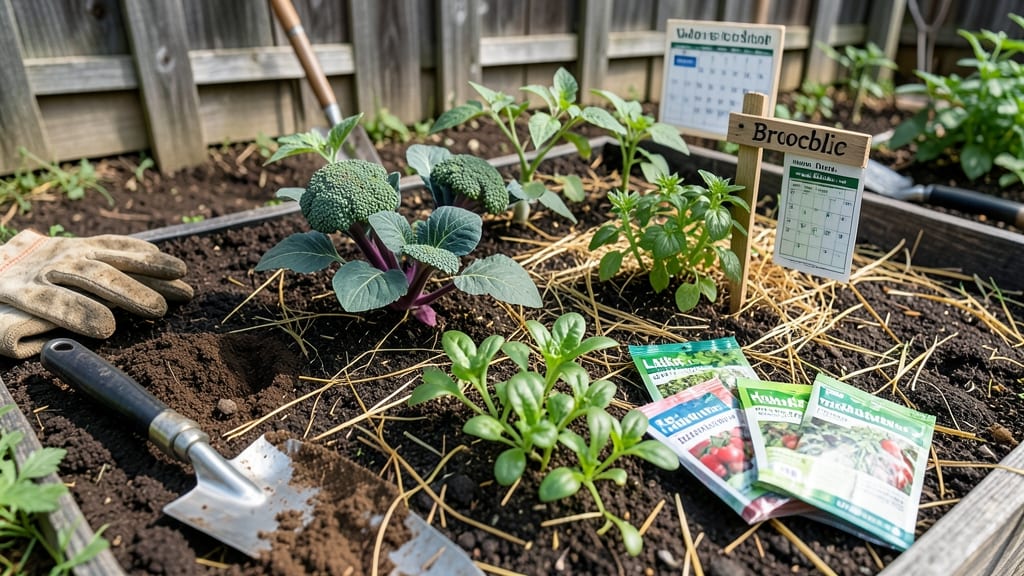
Timing your Virginia garden planting can mean the difference between a lush, productive harvest and a season of frustration. With frost dates shifting from March 15 in Richmond to April 15 in Roanoke, getting it wrong risks stunted plants or worse—total crop failure.
But master these science-backed deadlines, and you’ll enjoy fresh veggies and blooms all season long.
Virginia’s diverse climate—from the humid coasts to the mountainous west—means one-size-fits-all advice won’t cut it. Whether you’re in USDA Zone 6a or 8a, knowing when to start seeds indoors, transplant seedlings, or direct-sow outdoors is the key to success. Let’s break down the exact windows for your region.
Spring planting kicks off after the last frost, but some plants—like cool-loving lettuce—can handle early starts, while heat-lovers like tomatoes need to wait. Fall planting offers a second chance for hearty crops, but timing is critical to avoid early freezes.
I’ll show you how to adjust for your microclimate, whether you’re battling coastal breezes or mountain chill.
Ready to grow a thriving garden? Discover the best planting calendar for Virginia, tailored to your zone and crop type. No more guesswork—just bountiful harvests ahead!
Virginia’s frost-free planting zones: when to start seeds indoors vs. outdoors
Virginia’s USDA Hardiness Zones 5b-8a create wildly different planting windows—from the coastal Tidewater’s mild winters to the mountainous Shenandoah Valley’s chilly springs. Understanding these zones helps you avoid late frost damage or stunted summer growth.
For example, Richmond (Zone 7b) has a last frost around March 15, while Roanoke (Zone 6a) waits until April 15. These dates dictate when to start seeds indoors, transplant seedlings, or sow directly into the soil.
Your first step? Check your local frost dates using the Virginia Cooperative Extension’s frost map. Then, divide your planting strategy into three phases: indoor starts (for heat-loving crops), transplanting seedlings (after frost risk passes), and direct sowing (for cold-hardy plants).
For instance, tomatoes and peppers need 6-8 weeks indoors before the last frost, while spinach and peas can go straight into cool spring soil.
Pro Tip: Use row covers or cold frames to extend your growing season in colder zones (like Zone 5b in the Blue Ridge Mountains). This lets you plant 2-4 weeks earlier than the official frost date.
| Region | USDA Zone | Last Frost | First Frost | Indoor Start (Seeds) | Transplant Outdoors | Direct Sow |
|---|---|---|---|---|---|---|
| Tidewater (Norfolk, Virginia Beach) | 8a | March 1 | November 30 | Feb 15 - Mar 15 | March 15 - April 15 | March 1 - April 30 |
| Piedmont (Richmond, Charlottesville) | 7b | March 15 | November 15 | Feb 20 - Mar 20 | April 1 - May 1 | March 15 - May 15 |
| Shenandoah Valley (Staunton, Harrisonburg) | 6b | April 1 | October 31 | Mar 1 - Mar 15 | April 15 - May 15 | April 1 - May 30 |
| Blue Ridge Mountains (Roanoke, Blacksburg) | 6a | April 15 | October 15 | Mar 10 - Mar 25 | May 1 - June 1 | April 15 - June 15 |
*Dates are averages; check local forecasts for adjustments.
For warm-season crops like tomatoes, peppers, and cucumbers, start seeds indoors 6-8 weeks before your last frost.
In Zone 7b (Richmond), that means February 15 for a March 15 transplant. Cool-season crops like kale, broccoli, and peas can handle direct sowing as early as March 1 in the Tidewater, but wait until April 15 in the mountains.
Microclimates matter! A south-facing slope warms up faster than a north-facing garden, so adjust your planting by 1-2 weeks earlier in sunny spots. Conversely, low-lying areas with poor drainage may need delayed planting to avoid waterlogged soil.
Don’t forget fall planting for crops like spinach, radishes, and lettuce. Aim to sow 6-8 weeks before your first frost—so September 1 in Richmond or August 15 in Roanoke. This gives them time to mature before winter sets in.
Use soil thermometers to confirm readiness: most seeds need soil temps above 60°F for germination. In cooler zones, black plastic mulch can warm soil by 5-10°F, letting you plant 2 weeks earlier.
For perennials and shrubs, plant in early spring or fall when soil is workable but
Best planting calendar for Virginia gardens: month-by-month guide by crop type
Virginia’s planting calendar isn’t one-size-fits-all—it shifts dramatically from the coastal Tidewater to the mountainous Shenandoah Valley. While Richmond gardeners can start warm-season crops like tomatoes by April 15, Roanoke’s later frost dates push that window to May 1.
Let’s break down the month-by-month planting schedule for both spring and fall gardens, tailored to Virginia’s USDA Zones 6a-8a.
For cool-season crops like spinach, broccoli, and kale, the sweet spot is February to early April. These hardy plants thrive when soil temps hit 40°F, making them ideal for Virginia’s early spring.
In contrast, warm-season lovers such as peppers, cucumbers, and squash need to wait until after the last frost, typically May 10–June 1, depending on your zone.
🌱 Visual Tip: Use this monthly planting guide to align your garden with Virginia’s climate. Bookmark it for quick reference during your growing season!
| Month | Cool-Season Crops (Direct Sow) | Warm-Season Crops (Start Indoors) | Perennials & Flowers |
|---|---|---|---|
| February | Spinach, Lettuce, Peas, Broccoli | Tomatoes, Peppers (6-8 weeks before last frost) | Bulbs (Tulips, Daffodils) |
| March | Carrots, Radishes, Kale, Onions | Basil, Cucumbers (4-6 weeks before last frost) | Pansies, Violas (cool weather) |
| April | Beets, Swiss Chard, Lettuce (succession plant) | Direct-sow: Beans, Corn, Squash (after frost) | Marigolds, Zinnias (warm season) |
| May | None (too warm for cool crops) | Transplant: Tomatoes, Peppers, Eggplants | Petunias, Geraniums (after frost) |
| September | Spinach, Radishes, Lettuce (fall crop) | None (too late for warm crops) | Asters, Chrysanthemums (fall blooms) |
| October | Broccoli, Kale, Brussels Sprouts | None | Pansies, Snapdragons (cool season) |
⏰ Pro Tip: Adjust for your last frost date—check Virginia Cooperative Extension for local updates.
Fall planting is your second chance for a harvest, but timing is critical. Aim to sow cool-season crops like Brussels sprouts and kale 6–8 weeks before your first frost (typically September 1–October 15).
For perennials, like strawberries or asparagus, plant in early fall so roots establish before winter. This gives them a head start for next year’s growth.
Urban gardeners in Richmond or Norfolk may face heat islands that delay spring planting by 1–2 weeks, while mountain regions like Blacksburg often have earlier frosts.
Always monitor soil temperatures—cool crops need 40–50°F, while warm crops thrive at 60°F+. A simple soil thermometer ($10 at garden centers) saves guesswork.
🌿 Local Adjustments: If you’re in a coastal microclimate, like Virginia Beach, expect milder winters and longer growing seasons. In contrast, Roanoke’s higher elevation means shorter seasons—prioritize fast-maturing varieties like bush beans or radishes to maximize yields.