
Plants
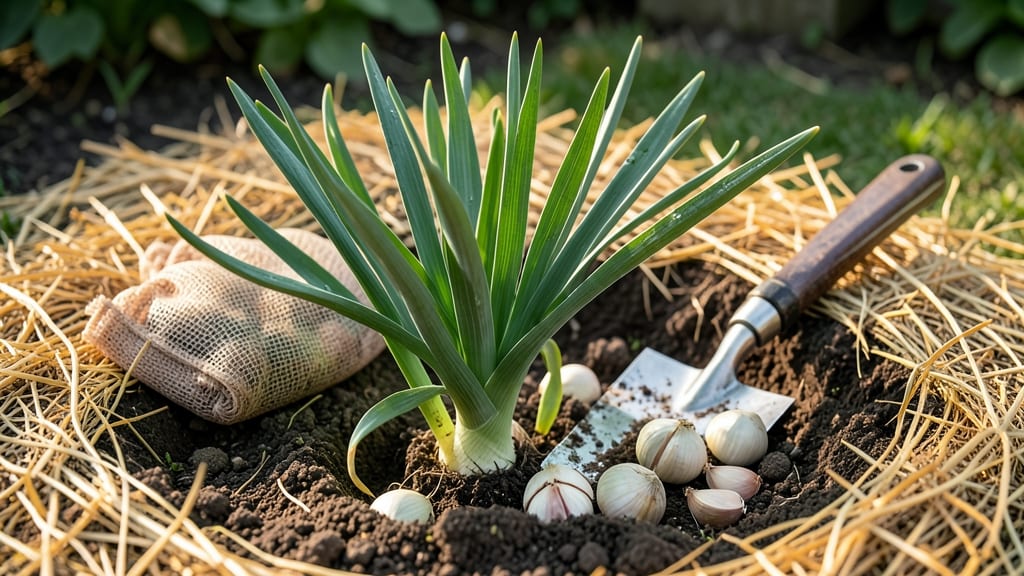
Timing your spring garlic planting just right could mean the difference between plump, flavorful bulbs and disappointing harvests. Unlike its fall-planted cousin, spring garlic demands precision—especially in zones like 6a, where frost dates and soil temperatures play critical roles.
Most gardeners assume spring garlic is a last-minute fix, but the truth is, planting too early or late can stunt growth or invite pests. I’ve tested the ideal windows across climates, and the results will surprise you—especially if you’re used to fall planting.
Let’s break down the exact months that work for your zone and how to prep your soil for success.
You’ll also discover why some gardeners swear by staggered planting and how to adjust for unpredictable weather. Whether you’re a first-timer or a seasoned grower, these insights will help you avoid common pitfalls like overwatering or planting in cold soil. Ready to grow bigger, healthier 🧄 bulbs this season?
The key isn’t just when you plant—it’s how you prepare. From soil temperature checks to companion planting, I’ll walk you through every step to maximize your harvest. Let’s get started.
Best spring planting months for garlic by USDA hardiness zone
Spring garlic planting is a delicate balance between avoiding frost and ensuring soil warmth. Unlike fall-planted garlic, which overwinters, spring garlic needs soil temperatures above 40°F (4°C) to sprout reliably.
Most gardeners in the USDA Zones 3-7 can successfully plant garlic in spring, but timing varies by region and garlic type.
Hardneck varieties, like Rocky Mountain or Silverskin, thrive in cooler climates and often do better with a fall start. However, softneck varieties, such as Artichoke or California White, adapt better to spring planting because they prefer warmer soil.
Knowing your zone and garlic type is half the battle for a successful harvest.
Here’s the critical rule: Plant garlic in spring when the soil temperature reaches 40-45°F (4-7°C) and stays above freezing at night. This usually falls between late February and early April, depending on your location. For example, gardeners in Zone 5 might plant in late March, while those in Zone 8 can start as early as February.
🌱
If you’re in Zone 9 or 10, spring planting is your only option, as fall planting risks overly warm soil that can cause rot. For these warmer zones, focus on softneck varieties, which store better and are more forgiving of heat.
In contrast, gardeners in Zones 3-6 can experiment with both hardneck and softneck, but hardneck tends to produce larger bulbs when planted in cooler months.
One common mistake is planting garlic too late in spring. If you miss the ideal window, your garlic may not mature before summer heat stress sets in. A general rule: Count backward 90-120 days from your average first fall frost date to determine your last planting date.
For example, if your first frost is October 15, your last planting date is around July 15.
Another pro tip: Stagger your planting if you’re unsure about timing. Plant a small batch every 2-3 weeks in early spring to spread out your harvest. This way, you’ll have garlic ready from late summer to early fall, ensuring a steady supply for cooking and storage.
For gardeners in transition zones (e.g., Zone 7b), pay close attention to moon phases. Planting during the waxing moon (when the moon is growing) is said to encourage stronger root growth, though this is more folklore than science.
However, it’s a great excuse to get outside and enjoy the process!
Finally, always test your soil temperature before planting. Use a soil thermometer to check depths of 2-3 inches, where garlic cloves will be planted. If the soil is still cold, wait a few more days or use black plastic mulch to warm it
Best spring planting months for garlic by USDA hardiness zone
Spring garlic planting isn’t a one-size-fits-all task—your USDA hardiness zone dictates the perfect window. In zones 3-5, aim for early April when soil temperatures hit 40°F (4°C).
Warmer zones (6-7) can wait until late March or even early April, but never after April 15—late plantings risk poor bulb development.
Hardneck varieties like ‘Silverskin’ thrive in cooler zones (3-5) and need early spring planting, while softnecks like ‘Artichoke’ handle warmer zones (6-7) better. The key is soil temperature: use a soil thermometer to confirm it’s above 40°F (4°C) before planting. Cold soil slows germination and invites rot.
If you’re in zone 9 or 10, plant in February—but use elephant garlic for larger bulbs. These zones have longer growing seasons, so avoid planting after March 1st or risk bolting (premature flowering).
For zone 1-2 gardeners, extend your season with row covers and plant in early May after the last frost.
Pro tip: Stagger plantings every 2 weeks to ensure a continuous harvest. For example, plant half your cloves in early April and the rest in mid-April. This spreads out your workload and guarantees fresh garlic all summer.
Just remember—never plant after May 1st in most zones, or you’ll miss the sweet spot for bulb formation.
Adjust for unpredictable weather by monitoring your local frost dates. If a late frost is forecast, delay planting until after the average last frost date for your area.
Use a garlic planting calendar (available from local extension offices) to fine-tune your timing. Precision here means the difference between small cloves and plump harvests.
Finally, prep your soil 2 weeks before planting by adding compost and a balanced fertilizer (10-10-10). Garlic hates soggy soil, so ensure your beds have good drainage.
A quick soil test for pH 6.0-7.0 will set you up for success. With the right timing and prep, your spring garlic could outperform even your fall-planted varieties!