
Plants
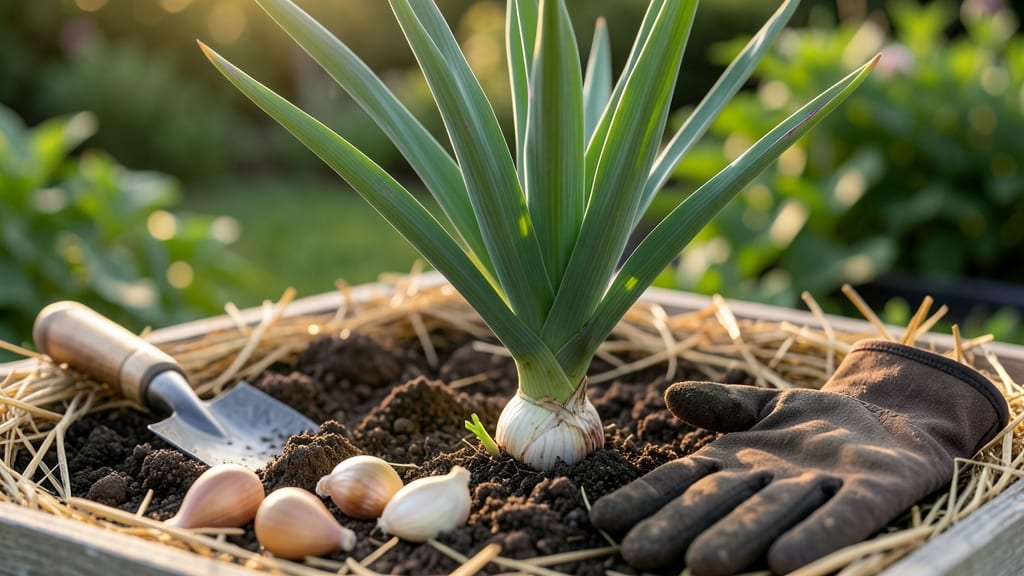
Timing your 🧄 garlic planting in Tucson isn't just about following a calendar—it's about outsmarting the desert's heat and unpredictable frost. Plant too early, and your cloves might bolt before forming bulbs; too late, and winter's chill can stunt growth.
The sweet spot for Tucson gardeners falls between October and November, when soil temps dip but frost isn't a threat.
Why does this window matter so much? Because Tucson's USDA Zone 9b climate demands precision. Too much summer heat triggers bolting (that's when garlic sends up flower stems instead of bulbs), while winter cold can leave your crop struggling.
The key is planting when days grow shorter but nights stay mild—giving your garlic just enough time to establish roots before winter sets in.
I've learned the hard way that Tucson's microclimates add another layer of complexity. The Catalina Foothills might get frost a week earlier than downtown, while low desert areas stay warmer longer.
That's why I'll walk you through how to adjust your planting schedule based on your exact location, plus soil prep tricks that actually work in our alkaline desert dirt.
Ready to grow garlic that thrives in Tucson's extremes? Let's dive into the exact planting schedule, soil secrets, and care tips that'll give you plump, flavorful bulbs come spring—without the bolting headaches. Your taste buds (and your garden) will thank you.
Optimal planting windows for Tucson garlic: avoiding bolting and heat stress
Tucson’s USDA Zone 9b climate demands precise timing for garlic planting—too early, and your crop may bolt prematurely; too late, and heat stress stunts bulb development. The ideal window spans mid-October to early November, aligning with soil temperatures between 50°F and 60°F (10°C–15°C).
This schedule ensures roots establish before winter dormancy while avoiding Tucson’s scorching summers that trigger bolting.
Hardneck varieties, like ‘Silverskin’ or ‘German Red’, thrive in Tucson’s cooler high-desert areas (e.g., Catalina Foothills), while softneck types such as ‘Artichoke’ handle the low-desert heat better.
Elevation matters: plant in low desert (2,000–3,000 ft) by late October, and in higher elevations (4,000+ ft) by mid-September to account for earlier frosts.
Missed the fall window? A second chance exists in late December, but bulbs will be smaller. Plant only softneck varieties in this scenario, as they tolerate warmer winters better. Avoid planting after January 15th, Tucson’s average last frost date, or risk heat stress and poor bulb formation.
Soil temperature is your best indicator. Use a soil thermometer to confirm readings between 50°F–60°F before planting. Cold soil (below 45°F) delays sprouting, while warm soil (above 65°F) triggers bolting.
In Tucson, this typically aligns with late October, but monitor weekly—microclimates vary even within the city.
Bolting (premature flowering) is garlic’s biggest enemy in Tucson. It’s triggered by heat stress or daylength exposure. Hardnecks bolt faster in long days, while softnecks are more heat-tolerant. To prevent it, plant 4–6 weeks before the first frost and mulch heavily with straw or wood chips to stabilize soil temps.
Tucson’s unpredictable monsoons add another layer of complexity. Planting in September risks monsoon rains, which can rot cloves. Wait until October for drier conditions, but don’t delay past early November, or bulbs may not mature before summer heat sets in.
For container growing, follow the same timing but use well-draining pots (at least 12 inches deep) to prevent waterlogging. Containers warm faster, so plant 2 weeks earlier than in-ground garlic to compensate. Place pots in full sun and water deeply every 5–7 days during dry spells.
Pro tip: Chit cloves (sprout indoors) for 2–3 weeks before planting to jumpstart growth. This is especially useful in Tucson’s short growing season. Place cloves in a paper bag in a cool, dark spot—roots should emerge before you plant them in October.
| Factor | Low Desert (2,000–3,000 ft) | High Desert (4,000+ ft) |
|---|---|---|
| Planting Window | Late October–Early November | Mid-September–Late October |
| Soil Temp Goal | 50°F–60°F (10°C–15°C) | 50°F–60°F (10°C–15°C) |
| Best Varieties | Softneck (e.g., ‘Artichoke’) | Hardneck (e.g., ‘German Red’) |
| Bolting Risk | Moderate (heat stress) | High (long days) |
| Mulching Needs | 4–6 inches (straw) | 6–8 inches (wood chips) |
| Watering Adjustment | Reduce in summer | Increase in spring |
Tucson’s alkaline soil (pH 7.5–8.5) can stunt garlic growth. Before planting, amend soil with compost or sulfur to lower pH to 6.0–7.0. Test soil in September and adjust 4–6 weeks before planting. Hardnecks prefer slightly acidic soil (pH 6.0–6.8), while softnecks tolerate pH up to 7.0.
After planting, mulch heavily to insulate bulbs from temperature swings. In low desert, use light-colored mulch (e.g., straw) to reflect heat, while high-desert areas benefit from dark mulch (e.g., wood chips) to retain warmth. Replenish mulch in February to protect emerging shoots from late frosts.
Remember: patience is key. Garlic
Step-by-step Tucson garlic planting guide: from soil prep to mulching for summer success
Now that you've nailed your planting window, let's get into the hands-on steps that'll set your Tucson garlic up for success. The key here is working with—not against—the desert's natural conditions.
Start by testing your soil pH, because Tucson's native dirt tends to be alkaline, and garlic prefers a slightly acidic environment around 6.0-7.0.
If your soil tests higher than 7.0, amend it with composted manure or sulfur-based amendments (like aluminum sulfate) 4-6 weeks before planting. For clay-heavy areas common in Tucson, mix in coarse sand or perlite to improve drainage.
This prevents water from pooling around bulbs, which can cause rot during our unpredictable monsoon season.
🌱 Step-by-Step Tucson Garlic Planting Guide
- Soil Prep: Test pH (aim for 6.0-7.0). Amend with compost and sand if needed.
- Planting Depth: Break apart garlic heads into individual cloves, plant pointy-end up, 2 inches deep.
- Spacing: 6 inches apart in rows 12 inches apart for airflow and bulb development.
- Watering: Deep soak immediately after planting, then bi-weekly (10-14 days).
- Mulching: Apply 3-4 inches of straw mulch to retain moisture and regulate soil temps.
- Fertilizing: Use 5-10-10 fertilizer at planting (1 tbsp per plant). Skip spring feeding.
When planting, break apart your garlic bulbs into individual cloves, keeping the papery skin intact. Plant them pointy-end up, about 2 inches deep—this depth helps protect them from our winter temperature swings. Space cloves 6 inches apart in rows that are 12 inches apart.
This spacing is crucial for two reasons: it prevents fungal diseases from spreading in our humid monsoon season, and it gives bulbs room to expand without competing.
After planting, give your garlic a deep watering to settle the soil. Then, switch to a bi-weekly watering schedule—this means every 10-14 days, depending on how fast your soil dries out.
Water in the early morning to reduce evaporation and fungal risks. During Tucson's monsoon season (July-September), you might need to adjust to weekly watering if rains are light.
Here's a Tucson-specific tip: Mulch heavily with straw after planting. A 3-4 inch layer will work wonders by retaining moisture during our dry spells and keeping soil temperatures stable. This is especially important if you're planting in low desert areas, where soil can get scorching hot in late winter.
The mulch also helps suppress weeds, which compete for water and nutrients.
Finally, resist the urge to fertilize in spring. Garlic doesn't need extra nitrogen once established—in fact, too much can trigger bolting. Instead, focus on light feeding in fall with a phosphorus-rich fertilizer (like 5-10-10) to encourage strong root and bulb development.
Your goal is bulbs, not leaves, so skip the green-up fertilizers!
With these steps, your garlic will have the best chance to develop plump, flavorful bulbs without the stress of bolting or poor formation. The key is consistency—especially with watering and mulching—to mimic Tucson's natural moisture patterns while protecting your crop from our extreme temperatures.