
Plants
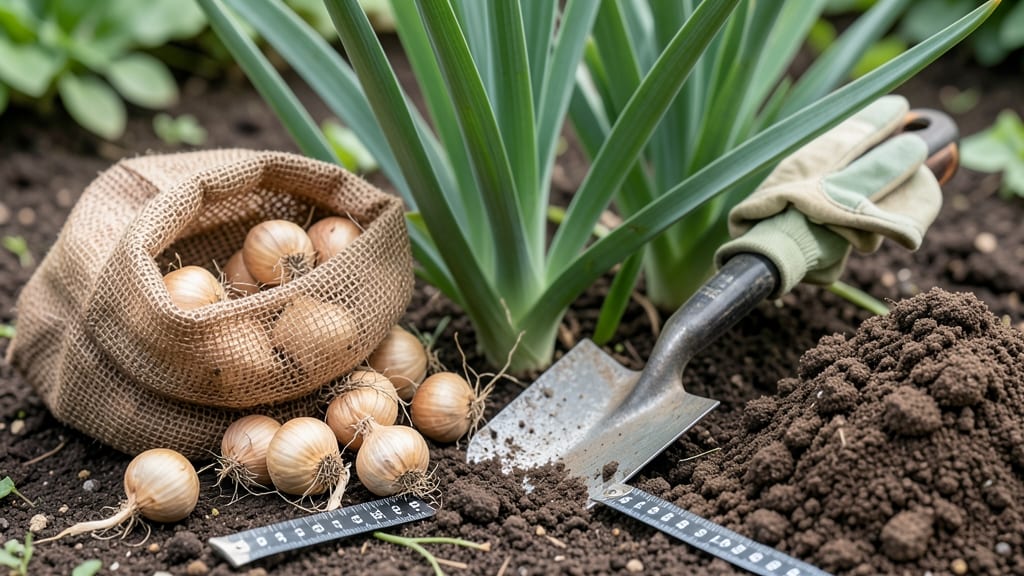
Planting gladiolus bulbs at the wrong time in the UK could mean frost-damaged shoots or blooms arriving too late for summer’s best display. The ideal window—late April to early June—balances frost risk and warm soil, but regional differences (like 8a in London vs. 9b in Cornwall) tweak the timing.
Why does this matter? Gladiolus 🌸 thrive when planted after the last frost, but UK gardeners often face unpredictable weather. Too early, and cold snaps stall growth; too late, and you miss peak flowering.
I’ll break down the exact months for your region, plus soil prep tricks to ensure bold, long-lasting blooms from July to September.
Most gardeners focus on planting but overlook the aftercare that turns good bulbs into showstopping displays. We’ll cover everything—from spacing to staking—to help you avoid common UK pitfalls like slug damage or waterlogged soil.
Ready to transform your garden? By the end, you’ll know not just when to plant, but how to nurture these summer stars for maximum impact. Let’s get those bulbs in the ground the right way.
UK gladiolus planting calendar: month-by-month guide for all regions
Gladiolus bulbs thrive in the UK when planted at the right time, but our unpredictable climate demands precision. Unlike Mediterranean climates, UK gardeners must account for late frosts in spring and early frosts in autumn.
The ideal window is late April to early June, after the last frost risk has passed—typically mid-April in Cornwall and early May in Scotland. This ensures roots establish before summer heat arrives, preventing bolting or weak stems.
For extended blooms, many UK gardeners also plant a second batch in early July for late-summer flowers. This works best in warmer regions like Devon or Kent, where soil stays warm longer.
In cooler areas like Yorkshire or the Highlands, stick to the spring-only schedule to avoid frost damage. Always check your local frost risk dates—the Met Office provides regional forecasts.
| Region | Spring Planting Window | Autumn Planting Window | Key Consideration |
|---|---|---|---|
| South England (Cornwall, Devon) | Late March–Early April | Early August | Warmer soil; risk of early blooms |
| Midlands (London, Birmingham) | Mid-April–Early May | Mid-August | Moderate frost risk; test soil temp |
| North England (Yorkshire, Lancashire) | Early–Mid May | Not recommended | High frost risk; stick to spring |
| Scotland/Wales (Highlands) | Late May–Early June | Not recommended | Short growing season; late frosts |
If you’re planting in containers or greenhouses, you can push the timeline slightly earlier—late March in sheltered spots—since these environments warm up faster. However, avoid planting before soil temperatures reach 10°C (50°F), or bulbs may rot.
Use a soil thermometer to check; most UK garden centers sell them for under £10.
For autumn planting, only attempt it in mild coastal areas like Cornwall or the Isle of Wight. Plant early August for blooms the following summer, but protect bulbs with mulch or fleece over winter.
In most of the UK, autumn planting is risky due to early frosts damaging emerging shoots.
Pro tip: Use early-flowering varieties like ‘Green Star’ or ‘Picasso’ for June blooms, and late varieties like ‘Black Star’ or ‘White Wings’ for September displays. Mixing varieties extends your cut-flower season by up to 4 months—perfect for UK gardeners craving year-round color.
Remember, gladiolus bulbs are not hardy in UK winters. After flowering, dig them up in autumn, store them in a cool, dry place, and replant the following spring. This protects them from soil-borne diseases and pests like gladiolus thrips, which thrive in damp UK conditions.
For container gardeners, choose dwarf varieties like ‘Nancy’ or ‘Prelude’—they bloom earlier and handle pot constraints better. Place containers in south-facing spots to maximize sunlight, and use well-draining compost to prevent waterlogged roots, a common issue in UK clay soils.
Finally, mark your planting dates on a calendar with regional reminders. Set phone alerts for last frost warnings from the Met Office or BBC Weather. Timing is everything—get it right, and you’ll enjoy bold, long-stemmed blooms from June to October, even in the UK’s cooler climate. 🌸
How to prepare gladiolus bulbs for UK planting: soil, depth, and spacing secrets
Preparing your gladiolus bulbs properly is just as critical as timing. In the UK, where soil types range from heavy clay in the Midlands to sandy loam in coastal areas, the right prep ensures strong root growth and vibrant blooms.
Start by chitting bulbs indoors 4-6 weeks before planting—place them in a cool, bright spot (like a windowsill) to encourage early shoots.
Chitting isn’t mandatory, but it gives your gladiolus a 2-3 week head start in cooler UK regions (like Yorkshire or Scotland). If you skip this step, plant bulbs as soon as soil warms to at least 10°C (50°F), usually by late April in most areas.
Use a garden thermometer to check—cold soil slows root development.
🌱
⚠️ UK-Specific Warning: Avoid Waterlogged Soil!
Gladiolus bulbs rot in soggy soil. Test drainage by digging a 6-inch hole—if water pools after 1 hour, amend with coarse sand or grit (20-30% of soil volume). In clay-heavy areas (e.g., East Anglia), raise beds or plant on mounds to improve airflow.
For optimal planting depth, dig holes 3x the bulb’s height (typically 4-6 inches deep). Space bulbs 4-6 inches apart in rows 12 inches apart—this prevents crowding and fungal diseases common in humid UK summers. In windy coastal areas (e.g., Cornwall), stake bulbs early to avoid flopping stems.
Enrich the soil with well-rotted compost or bone meal (1 tbsp per bulb) to boost phosphorus for root growth. In poor soils, mix in sand and leaf mold to balance texture. Avoid fresh manure—it burns delicate roots. After planting, water deeply but gently to settle soil without displacing bulbs.
Pro tip: In sheltered microclimates (like urban gardens with south-facing walls), you can plant early varieties in March. Monitor local frost forecasts—even a light frost can damage tender shoots. Mulch with straw after flowering to protect bulbs over winter.
🪴