
Plants
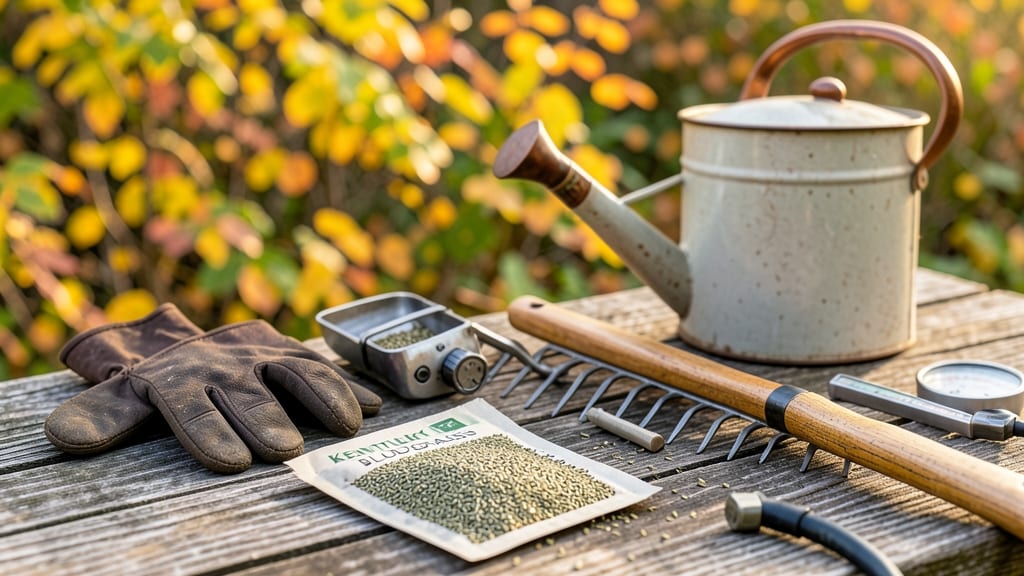
Planting grass seed in the fall is your golden ticket to a lush, green lawn—but timing is everything. Miss the window, and you might end up with patchy growth or wasted effort.
The key is knowing exactly when to plant based on your climate zone, because cooler temperatures and reduced weeds actually work in your favor.
In zone 6a, like many Northern regions, the perfect time to sow your 🌱 grass seed is 4-6 weeks before the first frost, typically between mid-September and early October. This gives your new grass enough time to establish strong roots before winter sets in.
But what if you're in the South? The rules change slightly there, so let's break it down.
You'll also want to avoid common pitfalls like planting too late or skipping soil prep. Proper soil preparation—think aeration, pH balance, and moisture—sets the stage for success. I'll walk you through the exact steps to ensure your grass seed germinates like a pro, even if you're a beginner.
Ready to transform your lawn? Let’s dive into the ideal planting schedule, soil prep tips, and post-planting care to guarantee your grass thrives all year long. Your dream lawn starts with the right timing—and I’ve got you covered.
Best fall grass seed planting dates by US climate zone
Fall planting gives grass seed the perfect head start—cool air and warm soil create ideal conditions for strong root development before winter. But timing is everything. Plant too early, and weeds compete for nutrients.
Too late, and frost stunts growth. Here’s how to pinpoint your zone’s sweet spot for fall grass seed success.
Your USDA hardiness zone determines the exact window. Northern climates (Zones 3-5) have shorter growing seasons, while Southern zones (6-10) can plant later. Even within regions, coastal areas stay warmer longer than inland spots. Let’s break it down by zone with temperature thresholds and regional tweaks.
⚠️ NON-NEGOTIABLE: Soil temps should stay above 60°F (15°C) for germination, but never exceed 75°F (24°C)—heat stresses young grass. Use a soil thermometer to check 2-3 inches deep before planting.
| Zone | Ideal Planting Window | Soil Temp Range | Regional Adjustments |
|---|---|---|---|
| Northern (3-5) | Mid-August to early October | 60-70°F (15-21°C) | Inland: Plant by September 15. Coastal: Extend to October 10. |
| Transition (6-7) | Late August to mid-October | 60-75°F (15-24°C) | Mountainous areas: Shift to September. Humid South: October 15 cutoff. |
| Southern (8-10) | September to early November | 65-75°F (18-24°C) | Desert zones: September only. Gulf Coast: November 1 limit. |
🌱 Pro Tip: Aim to plant 4-6 weeks before first frost—check your local Almanac for exact dates.
For example, if your first frost hits November 15, plant by October 1 in Zones 4-5. In Zone 8, you’ve got until October 20. Miss the window? Don’t panic—warm-season grasses (like Bermuda) can handle late fall planting, but cool-season types (like Kentucky bluegrass) won’t recover.
Weather plays tricks too. A hot September? Plant earlier to avoid heat stress. A cool October? Push to mid-month. Use a seed germination calculator (like the one from University of Nebraska-Lincoln) to adjust for your local microclimate.
One more critical factor: daylength. Grass needs 12+ hours of daylight to germinate well. In the deep South, shorter days in November can slow growth—so prioritize September plantings there. In the North, longer fall days help seeds sprout faster.
Finally, don’t overlook elevation. Mountainous areas (like Colorado or the Appalachians) cool faster—plant by late August even in Zone 7. Coastal regions? Warmer ocean breezes extend your window by 2-3 weeks.
Now that you’ve locked in your zone’s perfect timing, let’s tackle soil prep and seed selection—because even the best schedule fails without the right foundation. Next up: How to ready your lawn for fall planting like a pro. 🌱
How to prepare your soil and seed for fall planting
Preparing your soil and seed is just as critical as timing—skipping this step can leave your grass seed struggling to germinate, even with perfect weather. Start with a soil test to check pH (ideal: 6.0-7.0 for most grasses).
If your soil is too acidic or alkaline, amend it with lime (to raise pH) or sulfur (to lower pH) at least 2-3 weeks before planting. This gives the soil time to stabilize.
Next, focus on aeration. Compacted soil blocks roots and water, stunting growth. Rent a core aerator or hire a service to punch 3/8-inch holes every 2-3 inches across your lawn.
Do this 1-2 weeks before seeding for best results. If aeration isn’t an option, use a garden fork to manually loosen soil in small patches.
🌱 Pro Tip: For bare spots or new lawns, mix 1 inch of compost or topsoil into the aeration holes. This adds organic matter, improves drainage, and provides nutrients for young roots. Avoid fresh manure—it can burn tender grass seedlings.
- 1 Test soil pH (aim for 6.0-7.0)
- 2 Aerate soil (1-2 weeks before seeding)
- 3 Add compost (1 inch) to aeration holes
- 4 Choose cool-season grass seed (e.g., Kentucky bluegrass, fescue)
- 5 Spread seed evenly (use a broadcast spreader)
Choosing the right grass seed blend is non-negotiable. For fall planting, cool-season grasses (like tall fescue or perennial ryegrass) thrive in temperatures below 75°F. Avoid warm-season varieties (e.g., Bermuda, Zoysia) unless you’re in the deep South—these need summer heat to germinate.
Check the seed bag for "fall planting" labels or ask your local nursery for zone-specific recommendations.
Before seeding, clear the area of weeds and debris. Use a pre-emergent herbicide (like corn gluten meal) 2 weeks before planting to prevent weed sprouts from competing with your grass.
For stubborn weeds, hand-pull or spot-treat with vinegar (mix 1 gallon vinegar + 1 cup dish soap)—but avoid herbicides with glyphosate (it kills grass too).
Finally, water deeply before planting. The top 6 inches of soil should be moist (like a wrung-out sponge). This ensures seeds make immediate contact with water, speeding up germination.
After seeding, keep the soil consistently moist—not soggy—for the first 2-3 weeks. A light mulch (like straw) helps retain moisture and protect seeds from birds.
With your soil prepped and seed selected, your grass is ready to sprout like a champ. Next, we’ll cover how to spot success (or trouble) early—so you can fix issues before they derail your lawn. Stay tuned! 🌱