
Companion Plants
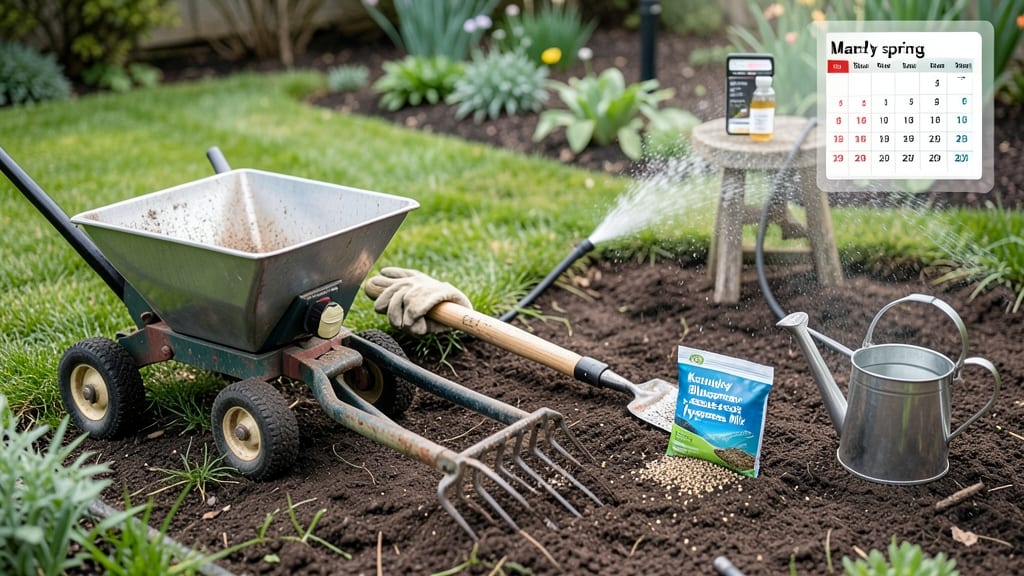
Timing your grass seed planting in spring can mean the difference between a lush, green lawn and weeks of patchy, slow growth. Most gardeners focus on the right seed type but overlook the critical role of soil temperature—and that’s where mistakes happen.
If you’ve ever planted too early and watched frost wipe out your hard work, you know how frustrating it can be.
In USDA Zone 6a, where last frost typically hits around mid-April, the ideal window for planting 🌱 grass seed is early to mid-spring—usually between late March and early May.
But here’s the catch: soil temperature matters more than calendar dates. Cool-season grasses like fescue thrive when soil reaches 40-50°F, while warm-season types need 65-75°F to germinate properly.
I’ve seen too many lawns fail because of planting too soon—even if the air feels warm, the ground might still be too cold. The good news? Testing soil temperature is simple, and I’ll show you exactly how to do it right.
Plus, I’ll share the common pitfalls that kill grass seed before it even sprouts, so you can skip the guesswork and get a head start on that perfect lawn.
Ready to transform your patchy yard into a vibrant carpet of green? Let’s break down the exact steps—from soil prep to watering schedules—so you can plant with confidence and watch your grass take off in just a few weeks.
Ideal soil temperature ranges for planting grass seed in spring
Planting grass seed at the right time in spring isn’t just about the calendar—it’s all about soil temperature. Cool-season grasses like Kentucky bluegrass and tall fescue thrive when soil temps hover between 40-50°F, while warm-season varieties such as Bermuda and Zoysia need 65-75°F to germinate properly.
Ignore this, and you’ll end up with slow, uneven growth—or worse, wasted seed.
Most gardeners guess based on air temperature, but soil stays cooler longer, especially in shaded areas or clay-heavy soils. That’s why a soil thermometer (just $10 at garden centers) becomes your best friend.
Stick it 2 inches deep—that’s where grass seed germinates—and check temps daily for a week before planting.
Here’s the kicker: Northern climates (USDA Zones 3-6) should wait until soil warms to 50-55°F in early spring, while Southern regions (Zones 7-10) can plant as early as February when soil hits 60°F. The last frost date is a red herring—focus on soil, not air!
🌱 Grass Seed Soil Temp Guide
| Grass Type | Ideal Soil Temp | Best Planting Window | Climate Zones |
|---|---|---|---|
| Cool-Season (Bluegrass, Fescue) | 40-50°F | Early spring (March-April) | 3-7 |
| Warm-Season (Bermuda, Zoysia) | 65-75°F | Late spring (May-June) | 8-11 |
| Ryegrass (Fast Germination) | 35-45°F | Late winter (Feb) | All zones |
⚠️ Pro Tip: Test soil temp at 10 AM—morning lows can trick you into planting too early!
If you’re in a transition zone (like Zone 6b), aim for late April when soil temps stabilize. Pro tip: Black plastic mulch can warm soil by 10°F in just 3 days—perfect for rushing up warm-season planting in cooler springs.
Don’t have a soil thermometer? Use the back of your hand test: Press your palm into the soil for 5 seconds. If it feels cool but not freezing, it’s likely 50°F—ideal for cool-season grasses.
For warm-season types, the soil should feel warm to the touch, almost like a summer sidewalk.
One more critical factor: day length. Grass seed needs 12+ hours of daylight to germinate efficiently. In late winter, shorter days slow growth—so even if soil temps are right, wait until mid-March in most regions to ensure success.
Ever planted grass seed only to see moldy soil or wilted sprouts? That’s often a sign you ignored soil temp. The 50°F rule for cool-season grasses isn’t arbitrary—it’s the sweet spot where microbes break down seed coatings, and roots can establish without stress.
For organic gardeners, compost tea or mycorrhizal fungi can help jumpstart germination in cooler soil. Just mix it into your seed starter fertilizer—it boosts root growth by 30% in tests.
Remember: Patience wins. Rushing into planting when soil is too cold leads to thin, weak grass that struggles in summer heat. Wait for the green light from your soil thermometer, and you’ll be mowing a thick, vibrant lawn by summer.
Ideal soil temperature ranges for planting grass seed in spring
Soil temperature is the single most critical factor for successful grass seed germination. If you plant too early, cold soil can delay sprouting or even kill seeds, while waiting too long risks summer heat stress.
For cool-season grasses like Kentucky bluegrass and fescue, aim for soil temps between 40-50°F—this usually aligns with late March to early April in USDA Zone 6a.
Warm-season grasses such as Bermuda and Zoysia, on the other hand, need soil temperatures of 65-75°F to germinate properly. In warmer climates, this window opens in late spring or early summer.
The key is to test your soil with a soil thermometer (available for under $10) rather than guessing based on air temperature.
Here’s how to check: Insert the thermometer 2 inches deep in the soil—this mimics where seeds will germinate. If the reading is below the ideal range, wait 1-2 weeks before planting. Pro tip: Morning is the best time to test, as soil temps are most stable then.
Regional variations matter too. In Northern states like Minnesota, soil warms slowly, so planting in late April or May is safer. Meanwhile, Southern states like Texas can start as early as February for warm-season grasses, provided soil temps are right.
One common mistake? Relying on air temperature instead of soil temperature. I’ve seen gardeners plant in March when the air feels warm, only to watch seeds fail because the ground was still below 40°F. Always prioritize soil conditions over calendar dates.
If you’re unsure about your local soil warming trends, check your USDA Plant Hardiness Zone map and local agricultural extension service for historical data. They often provide average soil temperature timelines for your region.
For fastest germination, combine the right soil temperature with consistent moisture. Seeds need to stay damp but not soggy until they sprout—aim for 1 inch of water per week during the first 4 weeks after planting.
A sprinkler with a gentle mist setting works best to avoid washing seeds away.
| Grass Type | Ideal Soil Temp (°F) | Best Planting Window | Key Tip |
|---|---|---|---|
| Cool-Season (Fescue, Bluegrass) | 40-50°F | Late March–Early April | Test soil depth at 2" |
| Warm-Season (Bermuda, Zoysia) | 65-75°F | Late Spring–Early Summer | Wait for consistent warmth |
| Transition Zone (Tall Fescue) | 50-60°F | Early April–Mid-May | Use shade cloth if needed |
If your soil is too cold, you can accelerate warming by covering bare soil with black plastic for 1-2 weeks before planting. This trick raises temperatures by 5-10°F and speeds up germination. Just remove the plastic right before seeding to avoid overheating.
Remember: Patience pays off. Rushing into planting because the calendar says "spring" is over can backfire. Stick to the soil temperature guidelines, and you’ll see those first 🌱 green shoots in as little as 7-14 days.