
Plants
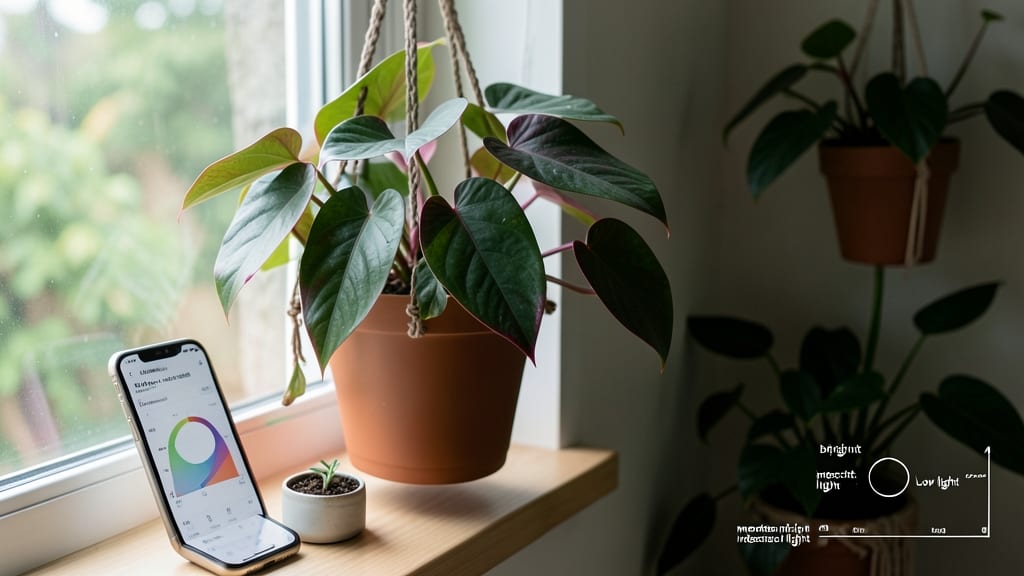
If your Philodendron 🌿 looks like it’s throwing a pity party with droopy leaves or crispy edges, the real issue might be how much light does this plant need—and the answer is simpler than you think.
These adaptable vines can handle everything from dim corners to bright indirect sun, but finding that sweet spot makes all the difference between lush growth and a sad, struggling plant.
Most people assume "bright indirect light" means plopping their Philodendron near a south-facing window, only to watch it fry in hours. The truth? These plants thrive in moderate to low light, making them perfect for offices, bathrooms, or even bedrooms where natural light is limited.
The key is understanding how to spot the signs of too much (or too little) light—and how to adjust without guessing.
In this guide, I’ll break down exactly how much light your Philodendron needs, where to place it for optimal growth, and how to troubleshoot common light-related problems.
Whether you’re dealing with leggy stems or sudden leaf burn, you’ll learn how to create the perfect conditions for a thriving, vibrant plant—no green thumb required.
Ready to turn your Philodendron from a struggling survivor into a showstopper? Let’s dive into the lighting secrets that’ll have your plant reaching for the sky in no time.

Philodendron light requirements: the ideal spectrum for healthy growth
Philodendrons are the ultimate low-light champions of the houseplant world, but they’re not one-size-fits-all. These tropical vines thrive in 10-50% light conditions, making them perfect for offices, bathrooms, or dim corners. The key is bright indirect light—think of it as sunlight filtered through a sheer curtain.
Too little, and your plant stretches awkwardly; too much, and those gorgeous leaves crisp at the edges.
Understanding your philodendron’s light spectrum needs starts with recognizing its natural habitat. In the wild, these plants climb trees in the understory, where they receive dappled sunlight.
Mimicking this environment indoors is the secret to lush, vibrant foliage. Direct sunlight is their enemy—it causes leaf burn, while artificial grow lights can supplement when natural light falls short.
Here’s the science: Philodendrons perform photosynthesis most efficiently in moderate light levels. Too little light slows growth and leads to leggy stems, while excessive light stresses the plant, causing brown patches or yellowing. The goal? A balanced light environment that keeps leaves glossy and stems sturdy.
Your philodendron’s leaf color is your best indicator of light success. Dark green leaves with visible veins mean it’s thriving in moderate indirect light. If leaves turn pale or yellow, it’s begging for more light.
Conversely, if you spot brown patches or white streaks, your plant is sunburned—move it away from harsh light ASAP.
Pro tip: Rotate your plant every 2-3 weeks. This ensures even growth and prevents one side from leaning toward the light. Philodendrons are adaptable, but they appreciate a little TLC to stay balanced. Think of it like giving your plant a gentle massage—it keeps everything in harmony.
For variegated philodendrons (like the popular 'White Princess'), light needs are slightly higher—aim for bright indirect light to maintain those stunning white patterns. Regular varieties can handle lower light conditions with ease, making them ideal for beginner gardeners or office spaces with limited natural light.
If you’re unsure about your home’s light levels, try this DIY light test: Place a white piece of paper near your philodendron’s spot. If the paper looks bright but not glaring, it’s likely the perfect bright indirect light zone.
If it’s too dim, consider supplementing with a 10,000-lux grow light for 6-8 hours daily.
Remember, philodendrons are forgiving. Even if you’ve overwatered or neglected them, their light tolerance makes recovery easier than with many other houseplants. The key is observation—watch your plant’s cues and adjust gradually.
With the right light, your philodendron will reward you with lush, heart-shaped leaves for years to come.
Now that you’ve mastered the light spectrum, let’s explore the best spots in your home to place your philodendron—from kitchens to bathrooms—and how to maximize growth with minimal effort. 🌿
Best locations for philodendrons: from north-facing windows to artificial grow lights
Finding the perfect spot for your philodendron isn’t about chasing the sun—it’s about creating the right light environment. Unlike sun-loving succulents, philodendrons thrive in indirect light, making them ideal for rooms with limited natural light.
The best locations balance brightness and protection from harsh rays, so let’s explore where your plant will flourish.
Start with north-facing windows, the gold standard for philodendrons. These windows provide consistent, gentle light without the intense heat of southern exposure. Place your plant 2-3 feet away to mimic its natural understory habitat.
East-facing windows work too, offering morning sunlight that’s perfect for growth without the afternoon intensity. West-facing windows can work but require sheer curtains to diffuse the harsh late-day sun.
Here’s a quick guide to the best rooms for your philodendron, ranked by light quality:
- 🌿 North-facing rooms: Ideal for all philodendron varieties. Place 2-3 feet from the window for perfect bright indirect light.
- 🏠 East-facing rooms: Great for morning light lovers. Rotate your plant weekly to prevent leaning toward the sun.
- 🚿 Bathrooms: Surprisingly perfect! The steam adds humidity, while the north-facing window (if available) provides ideal light.
- 💼 Offices: East or north windows work best. If natural light is scarce, supplement with a 10,000-lux grow bulb for 6 hours daily.
- 🛋️ Avoid south-facing windows: Direct sun here causes leaf burn. Use sheer curtains or move your plant 5+ feet away.
If your home lacks natural light, don’t despair—artificial grow lights are a game-changer. A simple LED grow bulb (like the GE LED Grow Light) can provide the 4-6 hours of light your philodendron needs daily.
Place it 6-12 inches above your plant and use it in the morning or evening to supplement weak natural light. For variegated varieties, increase light exposure to 8 hours daily to maintain their stunning patterns.
Pro tip: Test your light levels with the "paper test." Hold a white sheet of paper near your philodendron’s spot. If the paper looks bright but not glaring, you’ve found the perfect bright indirect light zone.
If it’s too dim, adjust your grow light or move closer to a window. Remember, philodendrons are forgiving, but they’ll always tell you what they need through their leaves.
For trailing varieties like the 'Brazil' or 'Xanadu,' place them near a shelf or hanging planter to encourage upward growth. If your philodendron starts leaning toward the light, it’s a clear sign it needs to be rotated or moved closer to a brighter spot.
Think of it as a gentle nudge to grow evenly and stay lush.
One common misconception is that bright indirect light means placing your philodendron right next to a window. In reality, the closer you get to direct sun, the higher the risk of leaf burn.
Instead, aim for a spot where sunlight gently filters through, like behind a sheer curtain or near an east-facing window. With the right location, your philodendron will reward you with glossy, vibrant leaves that’ll make your space feel alive.
Now that you’ve mastered the art of placement, let’s tackle those pesky light-related problems—like leggy stems or crispy edges—and turn your philodendron into the thriving, show-stopping plant it’s meant to be. 🪴