
Plants
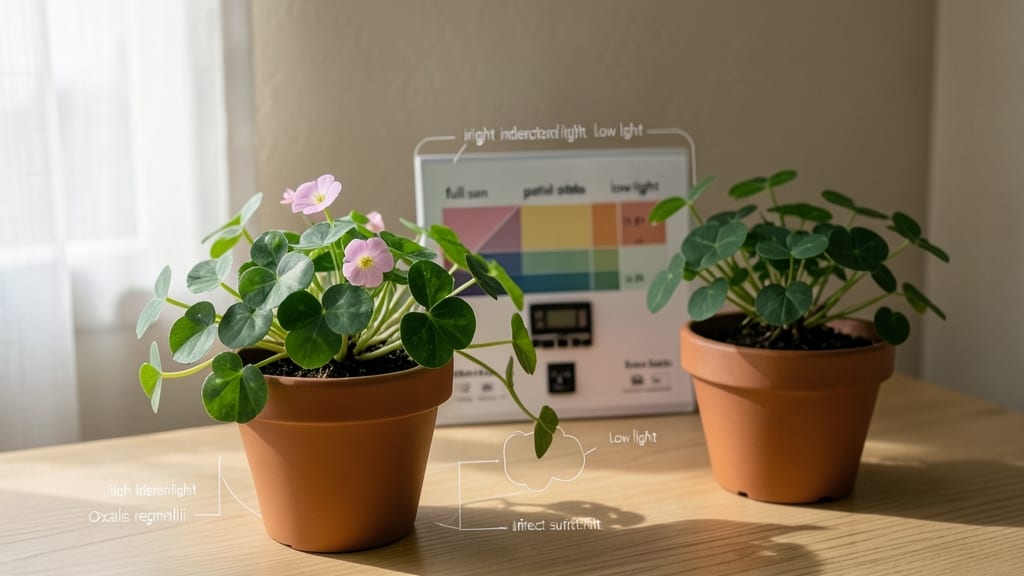
If you’re wondering how much light does a shamrock plant need to thrive, the answer might be simpler than you think—light is the game-changer. Too much direct sun can scorch those delicate leaves, while too little leaves it weak and stretched out.
Finding the sweet spot between bright, indirect light and dappled shade is key to keeping your shamrock lush and vibrant year-round.
Most shamrocks—whether you're growing the classic Irish variety or the lucky four-leaf clover—do best with 3 to 6 hours of filtered sunlight daily. That means placing them near an east-facing window or under sheer curtains to mimic their natural habitat in USDA Zone 6a climates.
But here’s the catch: direct afternoon sun can turn their leaves crispy, while dim corners make them grow leggy and sparse.
Don’t worry if your home lacks natural light—artificial grow lights can step in during winter or cloudy days. The goal is to replicate that bright, diffused glow shamrocks crave, whether indoors or out.
I’ll show you exactly how to spot light issues, adjust your setup, and keep your 🍀 shamrock thriving in any space.
Ready to transform your struggling plant into a vibrant, healthy beauty? Let’s dive into the simple tweaks that make all the difference—no green thumb required.

Ideal light requirements for a healthy shamrock plant
Shamrock plants (Oxalis spp.) thrive in bright indirect sunlight, making them perfect for homes with filtered light. Unlike sun-loving succulents, these delicate plants reject harsh midday rays that cause leaf burn.
Aim for 3-6 hours of morning sunlight or dappled shade—think of a forest understory where light filters through leaves.
For indoor setups, position your shamrock 1-2 feet from a north-facing window, where UV exposure is gentler. South-facing windows work too, but use sheer curtains to diffuse intensity.
If natural light is scarce, grow lights (LED or fluorescent) set to 12-14 hours/day mimic ideal conditions—just keep bulbs 6-12 inches above the foliage to avoid overheating.
Outdoor shamrocks love partial shade gardens, especially in hot climates. Plant them under trees with sparse canopies or near fences that cast afternoon shade. In cooler zones, they tolerate morning sun + afternoon shade, but avoid full sun after 10 AM unless acclimated gradually.
Seasonal tweaks matter: During summer’s peak intensity, move potted shamrocks to east-facing spots or under 50% shade cloth. In winter, supplement with grow lights if daylight drops below 8 hours/day—this prevents leggy growth (stretched, weak stems) from light deprivation.
🌱 Shamrock Light Requirements Summary
| Condition | Specification | Notes |
|---|---|---|
| Indoor Light | North-facing window (3-6 hrs) | Add sheer curtains for south windows |
| Outdoor Light | Partial shade (morning sun) | Avoid afternoon sun in hot climates |
| Grow Lights | 12-14 hrs/day, 6-12" away | Use LED or fluorescent bulbs |
| Seasonal Adjustments | Summer: 50% shade cloth | Winter: Supplement with lights |
Test your shamrock’s light tolerance by observing its leaf color: Deep green means perfect lighting, while yellowing edges signal sunburn. If leaves lose their vibrancy and stretch toward light, it’s craving more brightness—but never expose it to direct midday sun without acclimation.
For Irish shamrocks (Trifolium dubium), a slightly shadier spot works best, as they’re more sensitive than Oxalis varieties.
Container size also affects light needs: Smaller pots dry faster, so place them in consistently bright but indirect spots. Larger containers can handle slightly dimmer corners, but monitor soil moisture—overwatering in low light leads to root rot.
Use a moisture meter to check soil before watering, aiming for 60% moisture retention in well-draining soil.
For outdoor gardeners, mulch around shamrocks with 2-3 inches of organic mulch (like shredded bark) to regulate soil temperature and retain moisture. This mimics their natural woodland habitat, where dappled light and cool roots keep them thriving.
In USDA Zones 6-9, shamrocks can stay outdoors year-round, but protect them from frost with a lightweight frost cloth if temperatures drop below 25°F (-4°C).
If you’re growing shamrocks for their lucky four-leaf clovers, prioritize stable light conditions—fluctuations stress the plant and reduce clover production. A consistent 12-hour light cycle (natural or artificial) ensures compact, bushy growth with higher clover yields.
Avoid drafty windows or heating vents, as temperature swings (below 50°F/10°C or above 80°F/27°C) stunt growth.
Remember: Patience is key with shamrocks. If you’ve recently repotted or moved yours, wait 2 weeks before adjusting light—this lets roots establish. Start with mild changes (e.g., moving 6 inches closer to a window) and observe for 7-10 days before making bigger adjustments.
Your shamrock’s vibrant green leaves will thank you!
Ideal light requirements for a healthy shamrock plant
Shamrocks thrive under bright, indirect sunlight, mimicking their natural habitat in wooded areas where dappled light filters through tree canopies. Aim for 3 to 6 hours of filtered light daily—this prevents the delicate leaves from scorching while ensuring robust growth.
Direct midday sun, especially in summer, can cause leaf burn, turning vibrant green foliage into crispy brown patches.
For indoor shamrocks, position them near an east-facing window, where morning sunlight is gentle but abundant. West-facing windows can work, but use sheer curtains to diffuse the harsh afternoon rays.
If your space lacks natural light, a grow light with a 12-hour cycle (6 AM to 6 PM) can replicate ideal conditions, especially during winter months when daylight is scarce.
Outdoor shamrocks do best in partial shade gardens, where they receive morning sun and afternoon shade from trees or shrubs. In USDA Zone 6a, this setup protects them from the intense summer heat while still providing enough light for photosynthesis.
Avoid placing them in full sun or deep shade—both extremes lead to weak, sparse growth.
🌱
| Light Condition | Ideal Hours | Best Location | Seasonal Adjustments |
|---|---|---|---|
| Bright Indirect | 3-6 hours | East-facing window or partial shade | Year-round |
| Direct Sun | Max 2 hours | Morning only (6 AM-10 AM) | Summer: Reduce exposure |
| Full Shade | 0-2 hours | North-facing window or grow lights | Winter: Supplement with grow lights |
| Artificial Light | 12-hour cycle | 6 inches under LED grow light | Year-round for indoor plants |
Seasonal adjustments are key to keeping your shamrock healthy year-round. In summer, reduce direct sunlight exposure to prevent leaf burn, especially if you’re growing them outdoors. Move pots to a shadier spot or use a light sheer fabric to filter harsh rays.
Conversely, in winter, supplement natural light with a grow bulb (6000K-6500K color temperature) to maintain growth during shorter days.
If you’re growing shamrocks in containers, rotate them quarter-turns weekly to ensure even light exposure on all sides. This prevents one-sided growth and keeps the plant compact and bushy. For outdoor garden beds, mulch around the base to retain moisture and regulate soil temperature, which indirectly supports healthy light absorption.
Pro tip: Monitor your shamrock’s leaves for subtle changes—they’re the first to signal whether it’s getting the right amount of light. A vibrant green hue means you’ve nailed it, while yellowing or stretching stems are clear cries for adjustment.
With these light guidelines, your shamrock will reward you with lush, four-leafed beauty all season long.
☀️